21
21

ISLAMABAD: Inflation measured by the Sensitive Price Index (SPI) increased by 3.68 per cent from the previous week mainly due to the highest-ever increase in food prices, according to the Pakistan Bureau of Statistics (PBS) data released on Friday.
The increase in the weekly inflation is the highest since the change of the base year. On June 17, the second highest increase in SPI was recorded at 3.38pc. The SPI recorded a highest-ever year-on-year increase of 37.67pc in the week under review.
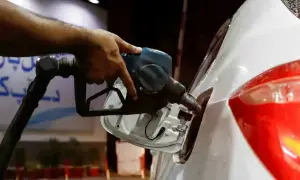
The government increased petrol and diesel prices massively which also contributed to an increase in food inflation.
Food prices to rise further as rains damage crops
The recent rains across the country have also caused damage to the standing crops as a result of which vegetables prices are likely to be stayed on the higher side amid short supplies. The massive increase in electricity tariff is another factor that contributed to the price spike.
The government has already announced in the budget that it will revive sales tax on petroleum products as well as impose a petroleum development levy in a phased manner. As a result, the price of diesel is expected to increase for next quarter. This will further increase food prices because of high transportation charges.
The government projected a modest inflationary annual target of 11.5pc for FY23 in the budget documents.
However, the Federal Board of Revenue, which uses inflation as one of the measures to gather extra tax from consumers, has projected inflation at 12.8pc. Independent economists projected that annual inflation would be in the range of 25pc to 30pc.
Soon after coming into power, the new government disbanded the dedicated National Price Monitoring Committee, which was led by the finance minister, while provinces were represented by provincial chief secretaries. The committee meets every Monday to monitor the prices of essential food commodities.
The PBS data shows that the prices of 30 essential food items increased during the week under review compared to the previous week.
The price of tomatoes was up 17.53pc, pulse masoor 4.18pc, pulse mash 2.87pc, pulse gram 2.46pc, pulse moong 2.02pc, vegetable ghee 2.5 Kg 1.80pc, garlic 1.69pc and rice basmati broken 1.21pc. In the non-food items, the price of electricity was up 26.11pc, LPG 7.02pc, washing soap 2.34pc and energy saver 1.03pc.
The SPI increased by 3.27pc for the lowest income group (i.e., people earning below Rs17,732 per month) and by 3.54pc for the group with a monthly income of above Rs44,175.
The year on year increase in diesel was 101.53pc, pulse masoor 99.14pc, petrol 94.15pc, chicken 75.65pc, cooking oil 5 litre 74.81pc, vegetable ghee 1 Kg 72.90pc, mustard oil 72.45pc, vegetable ghee 2.5 Kg 70.51pc, onions 64.18pc, washing soap 62.46pc, pulse gram 55.28pc, electricity 52.61pc, gents sponge chappal 52.21pc, garlic 45.18pc and pulse mash 38.35pc.
Published in Dawn, July 30th, 2022