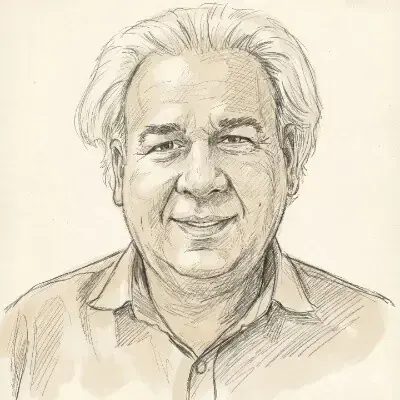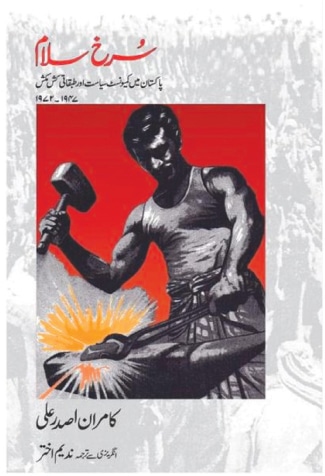
KARACHI: The Urdu translation of Kamran Asdar Ali’s book Surkh Salam (about communist politics and class activism in Pakistan, 1947-1972) by Nadeem Akhtar was launched at The Lyceum on Saturday evening.
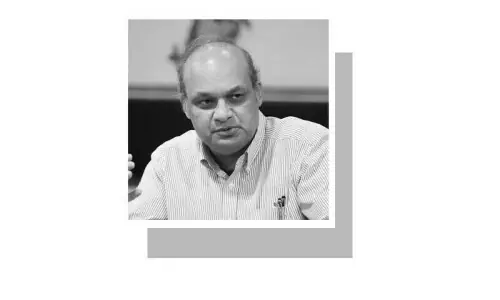
Dr Syed Jaffer Ahmed, who was the first speaker at the event, said he had read the book when it was first published in English [in 2015]. Contrary to the notion that not much has been written on the subject, he has gone through 15 to 16 books on it. Kamran Asdar’s book is an addition to them. The author is a trained historian and anthropologist; and both these aspects can be found in his work. The book is written on the basis of primary sources. There’s use of documents and archival material in it. Then there are interviews conducted by the author himself. He enters the book in the first person [narrative], which is not usually found in history books but can be done in anthropological texts.
Dr Ahmed said the book is not the history of the last 70 to 75 years of the Left. It basically sheds light on the crises that the Communist Party (CP) and the Progressive Writers Movement (PWM) in the first seven or eight years of Pakistan’s independence had to go through. In that, the author has made a few persons prominent. He has especially spent a lot of time on Sajjad Zaheer. The opinion that he’s formed of Zaheer appears to be influenced by Sibte Hasan’s work Mughanni-i-Aatish Nafas.
After giving his opinion on the Rawalpindi conspiracy case at length, Dr Ahmed returned to the book and pointed out that it’s not the final piece on the topic, and that an authentic history of the Left is still needed.
Dr Ali Raza said like Dr Ahmed he has read the book both in English and Urdu. After reading the Urdu version he realised how connected (juri hui hai) the subject is to us. The narration in it of the different relations (rishton ka qissa) immersed in politics makes it worth noticing how we write this history of loss or failure and what sources we use for it. The book reminds us that it’s our responsibility to reach out to and write about these histories — the responsibility to preserve our archives and memories.
Dr Raza said apart from such a thesis the mention of the struggle is found in police files where it’s presented as a seditious and foreign movement, as if it has nothing to do with our land (hamara khitta). The Urdu translation reminds us that the [Communist] party and its ideology (soch) had a deep relation with this land. The one thing common in colonial rule and the post-independence period is that both painted such a struggle or political movement as something foreign (bairuni).
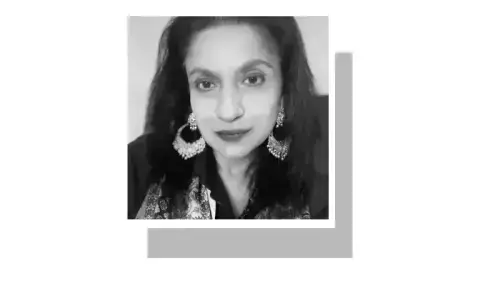
Anoushay Malik said she was introduced to Kamran Asdar’s work when she was an undergraduate at LUMS. At the time she was working on the students’ movement and chanced upon one of his papers online. The paper was about Karachi’s 1971 labour movement. She had met in Lahore a few people who used to tell her about the movement in their city. She sent Kamran Asdar an email which he replied politely and agreed that work [about the movement] on Lahore hadn’t been undertaken.
About the book, Ms Malik said she sees it as a continuation of the struggle which is still part of Pakistan’s history.
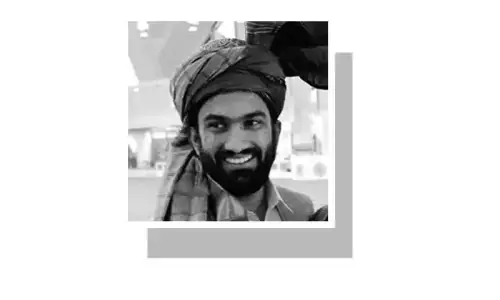
Translator Nadeem Akhtar said it was Dr Jaffer Ahmed who had suggested his [Akhtar’s] name for translation. He urged that research work should be done to let the younger generation know about such an important movement and its background. He added while translating a book a few things should be paid attention to: one, the translator mustn’t try and overwhelm the original work [author]; two, the feelings and sentiments of the original work should be reflected in the translation; and the target reader should be kept in mind.
Kamran Asdar Ali thanked the guests for their presence and remembered the late Dr Asif Farrukhi with fondness, who moderated the book’s launch at T2F in January, 2016 when it was published in English.
Ameem Lutfi moderated the event.
Published in Dawn, December 19th, 2021