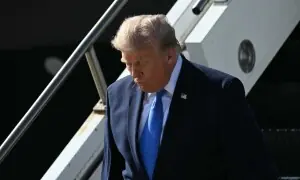
OVER the last four years, President Donald Trump has tried his level best to reverse the limited progress made in Iran-US relations during the Obama era, primarily by unilaterally ditching the nuclear deal Tehran signed with the P5+1. Moreover, the American assassination of Iranian general Qassem Soleimani in Iraq earlier this year brought both states dangerously close to conflict, before cooler heads prevailed and both sides backed down.
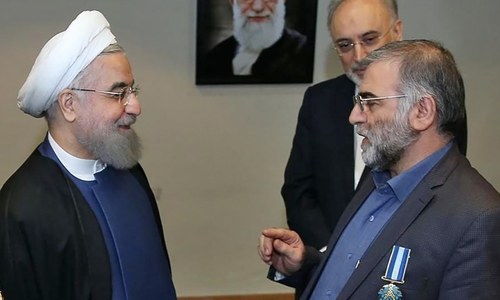
Now, with the killing of top Iranian nuclear scientist Mohsen Fakhrizadeh last week — which Tehran says Israel is responsible for — the world’s focus is once again on the Iranian atomic programme, as the crime has engendered a furious response from the Islamic Republic. On Tuesday, the Iranian Majles approved a bill calling for the suspension of nuclear inspections and a resumption of nuclear enrichment unless European states gave Tehran sanctions relief. Though only the US has reimposed sanctions following withdrawal from the nuclear deal, others have been wary of investing in Iran, afraid to draw American ire. This has had a debilitating effect on the Iranian economy.
While Iran is no doubt under immense pressure due to the crippling sanctions, and the murder of its scientist is a grave provocation, the Iranian leadership must react with caution and pragmatism. The suspension of inspections will only give Iran’s foes the chance to further implicate Tehran, accusing it of seeking a confrontation with the international community. Israel has long been believed to be running a covert operation to assassinate key Iranian officials, while some news outlets have reported that Mr Trump — in his final few months in office — has allowed his administration to ramp up the pressure even more on Iran, with some suggesting the American president has given the green light for everything short of war. Therefore, it is entirely possible that the Israeli hit targeting Fakhrizadeh had America’s blessing.
Considering this incendiary situation, Iran must not take the bait and fall into a trap that can drag the entire region into a devastating conflict. President-elect Joe Biden has said that he wants to go back to the nuclear deal. If he is serious about mending fences he should send strong signals to Iran that the US seeks the path of diplomacy, not confrontation. Moreover, the European parties to the JCPOA should also assure Tehran that once a new president arrives in the White House, efforts to revive the nuclear deal will pick up pace.
Further tightening the screws on Iran will strengthen the hand of the conservatives in that country and immensely reduce the chances of Tehran returning to the negotiating table. But most of all, until the presidential change is complete wiser minds within the US establishment should ensure that an unnecessary confrontation with Iran is avoided, and that Israel’s provocative behaviour is kept in check to prevent a fresh conflagration.
Published in Dawn, December 3rd, 2020