5
5
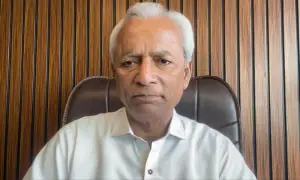
A GENTLEMAN by the name of Abdullah Abdullah arriving at the head of a delegation to Pakistan raised a promise whose fulfillment appears a little more realistic now. The chairman of Afghanistan’s High Council for National Reconciliation is not exactly known for having a soft corner for Pakistan. The third day into meetings between the team from Kabul and officials in Islamabad and the two countries are now looking to change the way they have been dealing with each other. What we are talking about here is transformation in how interests are viewed and in perceptions deliberately nursed over time, until they not only enslaved official policymakers but also impeded exchanges at the people’s level. Mr Abdullah, a long-time vocal critic of Pakistan’s alleged help for Taliban militants, cut through the suspicion and doubts that have piled up over the past. “After many troubling years, we now need to go beyond the usual stale rhetoric and shadowy conspiracy theories that have held us back.” Finally, the Afghan emissary for peace says he can hear the people demand a fresh approach.
As Mr Abdullah came up with these encouraging words at an event in Islamabad on Tuesday, his sentiment was reciprocated by Foreign Minister Shah Mahmood Qureshi and later by Prime Minister Imran Khan — adding to expectations at a crucial moment of the Afghan peace process. The increase in militant activity in Afghanistan has been a source of serious concern when meetings have been going on in Qatar to find a lasting solution to the woes of a land that has unfortunately been the subject of all kind of power intrigues and bloody schemes, often involving international players. Pakistan has been quite central to the effort for restoration of peace, which will ultimately free the US of its long foreign military involvement. With history on its side, Islamabad warns against haste and calls for gradual withdrawal, just as it has repeatedly brought up the issue of cross-border attacks on its security posts.
These allegations could at last be a thing of the past if the two sides are able to live up to Mr Qureshi’s vow of building a “common future”. Pakistan’s foreign minister sees new realities and it may be presumed that this recently acquired awareness will free both countries from the old formula where one of them had to play the master to the other. Mr Abdullah wants no terror footprint in his country and Mr Qureshi declares Pakistan has no favourites in Afghanistan. All we need now is for these lines to be backed by action of a kind that will play a most significant part in the success of the US-sponsored peace talks currently on in Doha. Not least importantly, they will define the relationship between two countries that could actually do with a new, peaceful chapter in coexistence.
Published in Dawn, October 1st, 2020