LAHORE: Members of the civil society organisations have condemned the federal government’s rejection of applications of 42 non-government organizations (NGOs) which had applied for foreign funding.
Most of the NGOs affected by this decision are working for the welfare and rights of the people and they have been ‘wrongly rejected’. A statement has been also been released by the Representatives of the Pakistan Human Rights Defenders Network (PHRDN).
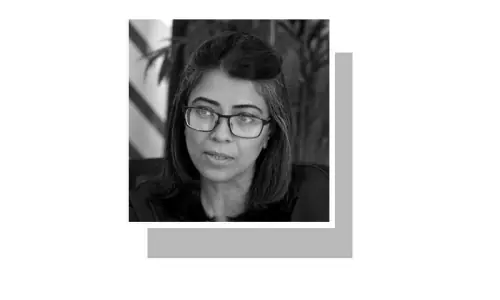
“This is an attempt to curb civil liberties in the country and to silence voices those demanding citizens’ socioeconomic and political rights. This is an unacceptable,” said PHRDN director Tanvir Jehan.
She said they would demand reviewing the NGO policy which had ‘destroyed the credibility’ of so many organisations.
The NGOs whose cases have been rejected by the government include Action Against Poverty, Basic Education and Employable Skill Training, Bedari, Al-Furqan Humanitarian Relief Foundation, Society for Protection of the Right of the Child, Women Economic and Social Empowerment Foundation, Medical Emergency Resilience Foundation, Poverty Alliance Welfare Trust, Aiming Change Tomorrow, BRAC Pakistan, Ameer Begum Welfare Trust, Rabt Development Organisation, Snow Leopard Foundation, Indus Resource Centre, Women Rights Association Pakistan and Rural Community Development Society.
Previously, the Economic Affairs Division (EAD) had also rejected the applications of many other NGOs.
“At least, there must be some sort of standardised mechanism that should be followed,” said Tanvir.
“The government arbitrarily approves and disapproves registration requests, and goes on to say that we can apply again. It must follow a proper procedure for the scrutiny of the NGOs and stop imposing blanket bans,” she deplored.
In 2015, the government had made a policy that said that all the NGOs receiving foreign funding should first get themselves registered and then get clearance by the Economic Affairs Division (EAD).
Pakistan Civil Society Forum chairperson Muhammad Tahseen said the EAD had no legal right to give permission for clearance; however, in this particular context, the NGOs that had been turned down for foreign funding had already completed their projects and it made no sense for them to seek more funding for the time being, according to the government’s understanding. However, Mr Tahseen condemned the way the government had been making arbitrary decisions regarding approvals.
“Who has given the EAD the right to do this when there is no proper law in place?” he asked.
Tanvir Jehan said Pakistan was not progressing in sectors of the basic education, primary health, poverty alleviation, women empowerment, minorities’ rights, and the NGOs had spent years to fill these gaps.
“However, instead of acknowledging their services, the state has unnecessarily come down hard on some of them and created a blockade for improving lives,” she added.
Published in Dawn, February 17th, 2019