0
0
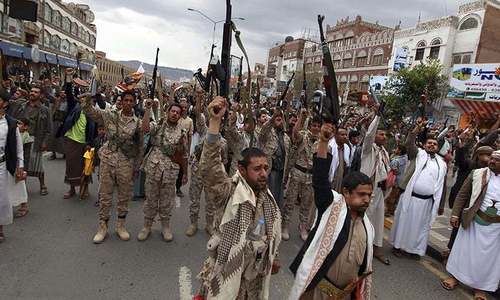
CAIRO: Fighting broke out in north of Yemen’s capital and in the centre of the country on Sunday, killing more than 20 people, hours before a planned halt to the fighting aimed at facilitating talks to end the year-long war.
Yemen’s government and its Iran-allied Houthi rebels are supposed to implement the UN-backed “cessation of hostilities” from midnight (2100 GMT) before peace negotiations begin in Kuwait on April 18.
The United Nations hopes this will lead to a more concrete, formal ceasefire with peace-building steps.
The war has killed more than 6,200 people, drawn in Saudi Arabia and Iran and tipped one of the Arab world’s poorest countries into a humanitarian crisis.
But hours before the planned halt in fighting, heavy battles flared between forces loyal to Yemen’s President Abd-Rabbu Mansour Hadi and Houthi fighters in al-Maton, a town north of the capital Sanaa, killing and wounding several fighters, local residents said, without giving precise figures.
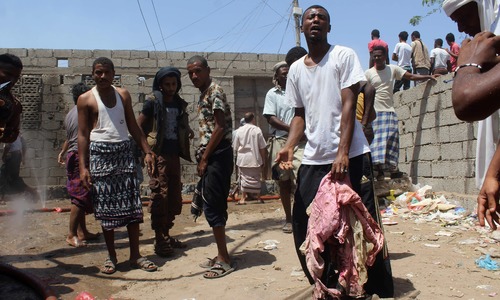
In the central Bayda province, battles between the rival forces in al-Sawadiya and al-Zaher districts killed more than 20 people, local officials and residents said, and fighting continued in the southwestern city of Taiz.
Mr Hadi, whose forces are backed by a Saudi-led military coalition which has been carrying out airstrikes on Yemen for the past year, met his advisers in Riyadh on Sunday to discuss the impending halt in fighting, Yemeni officials said.
They said the Houthis had not yet informed the United Nations about their latest position on the agreement to stop fighting. A spokesman for the Houthis could not immediately be reached for comment.
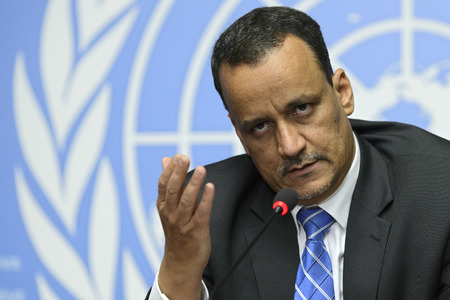
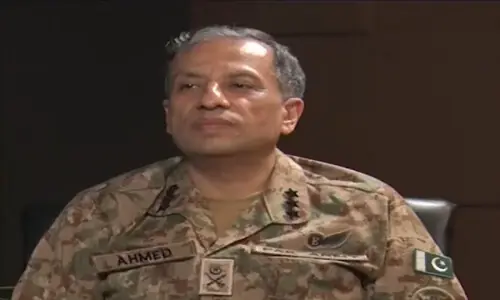
The UN’s Yemen envoy Ismail Ould Cheikh Ahmed has urged parties to the war to “engage constructively” in the new round of peace talks in Kuwait.
A pro-Hadi commander in Sarwah, Lt Col Abdullah Hasan, said that loyalists would “observe the ceasefire as soon as it comes into effect at midnight”.
“But if the Houthis attack us, the situation will return to what it was” before the truce, he warned, pointing out that four of his men were killed by rebel mortar fire on Sunday.
Further north, coalition jets struck Houthi positions in Jawf province, according to the rebels.
There were also clashes in Nihm northeast of Sanaa, witnesses said.
But residents of the capital spent a quiet night free of the sound of coalition aircraft, which had intensified raids in recent weeks.
The planned truce was only agreed by the warring sides after months of shuttle diplomacy by UN envoy Cheikh Ahmed.
The rebels and Hadi’s government said this week that they had submitted their observations to the UN mediator on the terms of the ceasefire, which would test their willingness to negotiate a peace deal at the Kuwait talks.
“We will go to the consultations (in Kuwait) to achieve peace,” Mr Hadi reiterated on Saturday.
Published in Dawn, April 11th, 2016