0
0

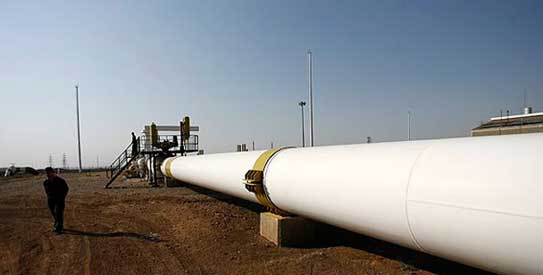
ISLAMABAD: Poor management, negligence and apathy on part of the Sui Northern Gas Pipelines (SNGPL) have resulted in unfair and unequal distribution of gas amongst the domestic consumers.
As gas loadshedding increases, this inequality, discrimination and lack of proper management also goes up. The difference is so much that while in some sectors of the federal capital you can light up only the burner of your stove, you can't cook or prepare even a cup of tea. People in these localities are compelled to burn wood or use cylinders for cooking or heating water.“There is no gas from early morning till late at night. We have to burn wood to heat water and prepare food. It is a big problem. We cannot bathe for weeks because of the chilly weather and low gas pressure,” said Iqbal, a resident of Sector G-6.
Unlike this, other sectors especially the posh areas like E-7, F-8, F-10 etc., are not even aware of the gas loadshedding. They receive full supply all the times no matter how much shortage is there in the country.
“There is no gas loadshedding in our house. We have full gas pressure round the clock. Our house is very big but we can heat all the rooms and halls because gas shortage has never been a problem,” said a European diplomat living in E-7.
Even in these posh sectors, those places where houses are a little congested like flats; gas shortage exists. The worst affected are the areas where there are CNG stations nearby. These CNG stations suck the lion's share of the gas leaving the domestic consumers in trouble.
The worst-affected sectors are G-9, G-7, G-6, G-10, G-11, I-8 and I-9. The residents of these areas have been forced to use wood for cooking while those who can afford have arranged cylinders.
Former general manager SNGPL Arshad denied there was any discrimination, unequal distribution or bad management. “Supply is in accordance with the demand. More gas is supplied to areas where population density is high. It is not that areas having high demand get less supply.”
However, he added, the areas where population was congested or people lived in flats, consumption was more and there was a shortage. In the same way, places close to CNG stations have less supply, he added.
When asked why supply was not increased in proportion to the demand, the official said the SNGPL administration was aware of it and provided more gas to areas with dense population.
Mr Arshad, who was replaced only a few days back, also denied there was shortage of gas anywhere in Islamabad.