Pakistan urges US, Iran to 'end violence', resume technical-level talks
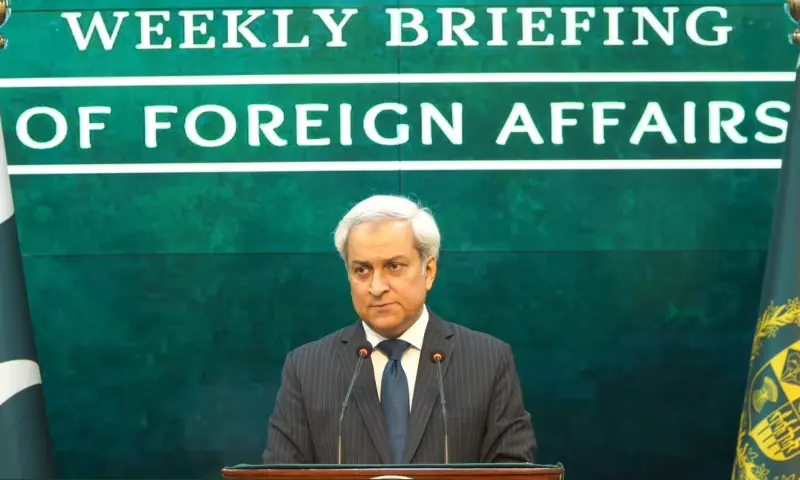
The Foreign Office (FO) on Thursday urged the United States and Iran to “end violence” and resume technical-level talks, while noting that the Pakistan-mediated interim peace deal was “facing challenges”.
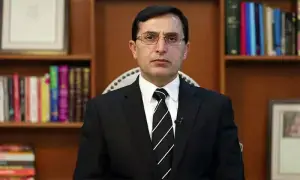
Addressing a weekly press briefing, FO spokesperson Tahir Andrabi noted that the implementation of the Islamabad Memorandum of Understanding signed between the US and Iran last month was “facing challenges”.
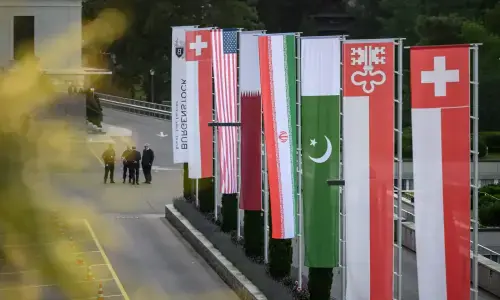
He affirmed that “Pakistan will continue to encourage all sides to end violence and resume technical-level talks in accordance” with the MoU and the joint statement issued by mediators Pakistan and Qatar on June 20 following the direct talks in Switzerland.
“We hope all parties will remain committed to the path of dialogue and diplomacy in resolving their outstanding issues,” Andrabi added.
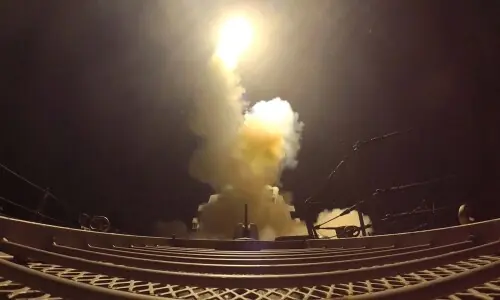
The remarks come as the warring parties continued to trade attacks on Thursday, with the US hitting Iran’s coastal defences and missile sites and Iran retaliating by targeting American military sites in neighbouring Gulf countries.
“As hostilities have continued over the past week, Pakistan reiterates its call on all parties to exercise maximum restraint and refrain from any actions that would further undermine peace and stability,” Andrabi said.
“Pakistan firmly believes that there is no alternative to sustained engagement, dialogue and diplomacy in pursuit of the shared objectives of lasting peace, stability and progress,” he affirmed.
The FO spokesperson stressed that ultimately, “all conflicts and disputes are resolved through dialogue at the negotiation table”. He highlighted that the Islamabad MoU remained an “enduring framework for promoting peace, mutual respect and shared prosperity”.
The FO spokesperson also underscored the “importance of ensuring the continued safety, security and freedom of maritime navigation” in the Strait of Hormuz.
“Many countries, particularly those in the Global South, are being adversely affected by the situation in the Strait of Hormuz,” he noted.
“Pakistan recognises the urgent need to address the impact of the current situation on global energy supplies and other economic commodities, including trade and food security,” Andrabi said, expressing the hope for “an early normalisation” of the situation in the key waterway.
Hostilities have intensified since Iran said on Sunday it had closed the Strait of Hormuz, with the US also reimposing its naval blockade of Iranian ports in response. Military operations are also keeping ships from transiting the vital artery, which carried about a fifth of global oil and gas shipments before the war.
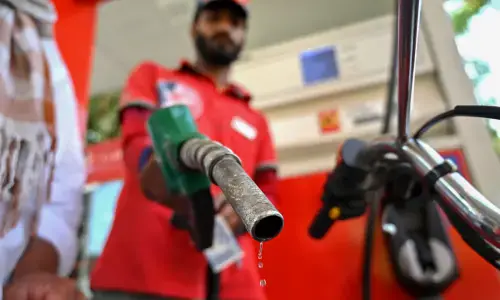
That has sent global oil prices soaring and led to concerns of spikes in inflation even in nations far from the conflict. Pakistan on July 10 raised the prices of petrol and high-speed diesel by over Rs13. On Tuesday, global oil prices reached a four-week high.
Islamabad ‘actively engaged’ in peace efforts
Addressing the media, Andrabi said Islamabad has “remained actively engaged with key interlocutors across the region in support of our efforts in de-escalation, dialogue and peaceful resolution of the situation”.
He recalled Prime Minister Shehbaz Sharif’s telephone call with the Qatari emir on July 10, during which the two leaders agreed upon the importance of sustained diplomatic engagement and dialogue.
The FO spokesman also mentioned PM Shehbaz’s call with Iranian President Masoud Pezeshkian the same day, in which he called on all parties not to “jeopardise the hard-earned peace gains”.
Andrabi also highlighted Deputy PM and Foreign Minister Ishaq Dar’s efforts for regional peace, including his recent calls with his Saudi and Iranian counterparts.
The renewed fighting since July 8 has cast further doubt on the future of the Islamabad MoU agreement signed on June 18 that aimed to reopen the Strait of Hormuz and end the war after a further 60 days of negotiations.
Last week, US President Donald Trump said he considers the ceasefire over, while leaving the door open to more talks.
The war has again brought Gulf countries into the conflict, with Iran targeting US bases and military sites in Bahrain, Jordan and Kuwait. Monday marked the heaviest attacks since the initial April 8 ceasefire reached between Tehran and Washington.
The war that began with US and Israeli strikes against Iran on February 28 has destabilised the Gulf, while Iran’s effective blockade of the Strait of Hormuz has driven energy prices higher, fuelling global inflation.
Grooming gang ringleader’s case ‘internal matter’ of UK
Separately, the FO spokesperson said Pakistan had “no connection” with the case of Shabbir Ahmed, a child grooming gang’s ringleader in the United Kingdom.
Ahmed held dual British-Pakistani citizenship before being stripped of the former following his 2012 conviction for multiple counts of child sexual offences.
Asked for confirmation of reports that the UK had approached Pakistan for Ahmed’s deportation, Andrabi termed the case “entirely an internal matter” of Britain.
“The individual concerned is a British national who spent his entire adult life in the UK and was duly convicted by a British court for reprehensible offences committed on British soil,” the official pointed out.
“Any decisions regarding his release, supervision or future legal status fall exclusively within the jurisdiction of the competent British authorities and must be dealt with in accordance with the laws of the UK,” he said.
The spokesperson said Pakistan “cannot be associated with any decisions relating to the individual’s release or subsequent treatment under British law”.
Andrabi said Pakistan condemned the incident of child sexual abuse in the strongest possible terms.
“Perpetrators of such heinous crimes must be investigated, prosecuted and punished to the fullest extent of the law, irrespective of race, ethnicity or religion,” he asserted.
“Regardless of where he was born, the onus lies on where he grew up, was raised, groomed and unfortunately spoiled. His heinous crimes demand serious introspection rather than a quest to search for extraneous causes.”