The war after withdrawal: Pakistan, the Taliban and the return of transnational terrorism
For over two decades, Pakistan has been locked in a war, not of its choosing but one that it cannot escape.
Long after the withdrawal of Western forces from Afghanistan in August 2021, Pakistan continues to absorb the strategic shockwaves of a conflict whose centre of gravity may have shifted, but not disappeared. The return of the Taliban to power in Kabul has transformed the security landscape of South and Central Asia, with Pakistan bearing the most immediate and severe consequences.
This is not merely a bilateral problem between neighbours. It is a global security challenge with implications stretching from West Asia to Europe, amid growing international concern over Afghanistan becoming a renewed militant hub.
Pakistan’s role in the post-9/11 international order was clear and costly. As a frontline partner of the United States and Nato, Pakistan provided intelligence cooperation, logistics, and sustained military operations against Al Qaeda and affiliated networks. It was later designated a Major Non-Nato Ally, reflecting its centrality to global counterterrorism efforts.
Yet, while international forces eventually exited Afghanistan, Pakistan’s war did not end. Instead, it evolved into a long war of attrition aimed at preventing the spillover of militancy from Afghan territory into the region and beyond.
The cost Pakistan has paid is extraordinary. Over the past two decades, approximately 100,000 Pakistanis have lost their lives to terrorism, including civilians, security personnel, and children, most tragically symbolised by the massacre at the Army Public School in Peshawar.
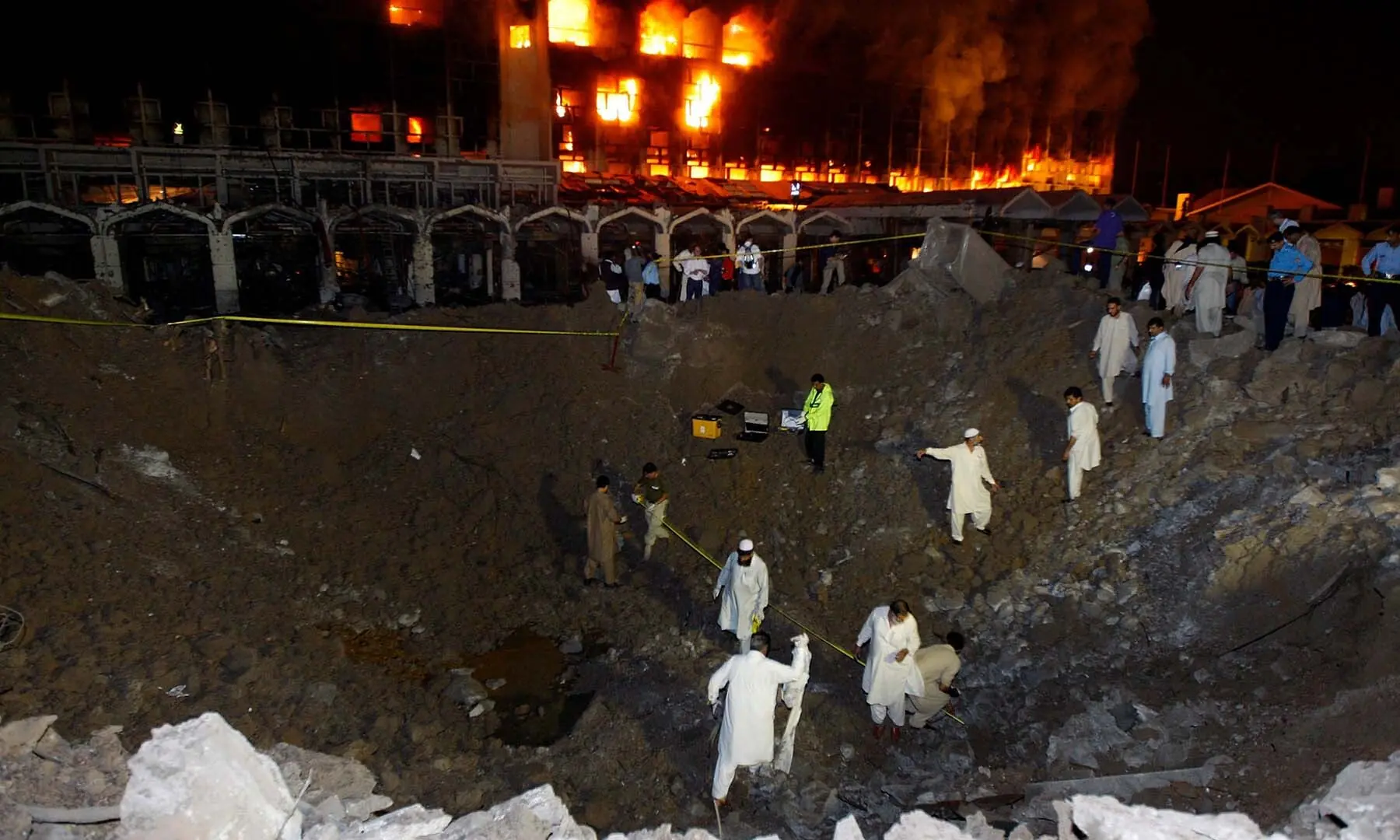
The economic toll exceeds $150 billion, encompassing destroyed infrastructure, lost investment, and enduring reputational damage. These figures are not abstractions; they represent one of the highest sacrifices borne by any country in the global war on terror.
Over the years, Pakistan has pursued a sustained counterterrorism strategy. It dismantled major terrorist sanctuaries through sequential operations, strengthened its legal framework via the Anti-Terrorism Act and National Action Plan, operationalised dedicated counterterrorism institutions, and imposed financial controls to disrupt terrorist funding. By the late 2010s, violence had dropped sharply, and Pakistan had rebuilt a measure of internal security through institutional resilience rather than episodic force.
That progress has been severely undermined by the Taliban’s return to power. Despite commitments under the 2020 Doha framework to prevent Afghan soil from being used against other states, militancy accelerated after the release of thousands of prisoners and the collapse of the Afghan republic.
Today, Afghanistan has once again become a permissive environment for transnational jihadist groups, as documented by the United Nations Monitoring teams, contradicting the Doha pledge that Afghan soil would not be used to threaten the security of the United States and its allies.
What makes the current situation uniquely dangerous is that the Taliban are no longer an insurgent movement operating from the shadows; they control an entire state. They possess territory, resources, institutions, and an education system that is being systematically redesigned to serve ideological ends. Analysts warn that this form of state capture amounts to long-term societal engineering with consequences that do not remain confined to one country.
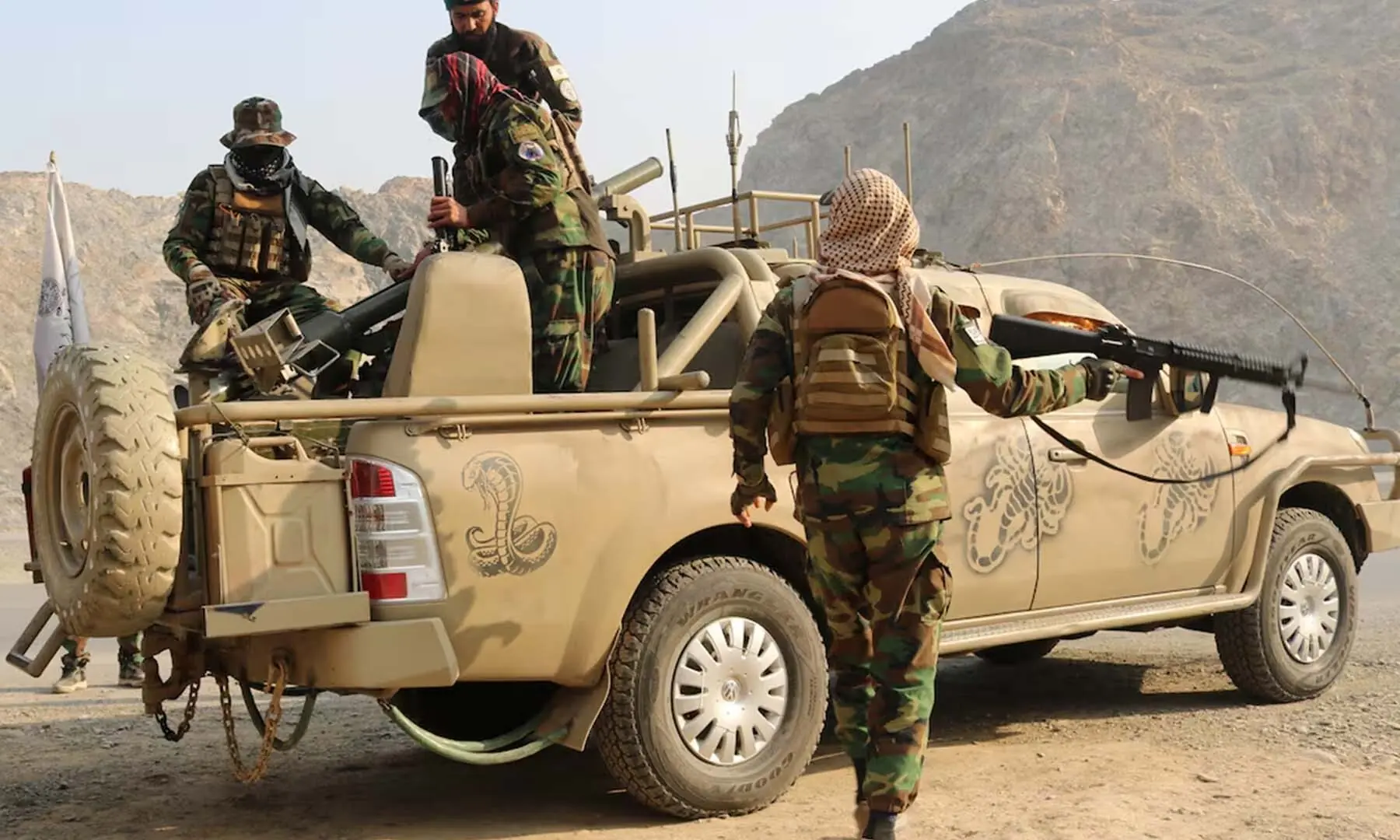
For Pakistan, the impact is direct and violent. Afghan soil is being used as a launchpad for cross-border terrorism. Pakistani authorities have identified camps, staging areas, and logistics nodes inside Afghanistan operated by the Tehreek-i-Taliban Pakistan (TTP) and other groups. Leaders of the TTP terror outfit operate openly from Afghan cities, enjoying protection and material support.
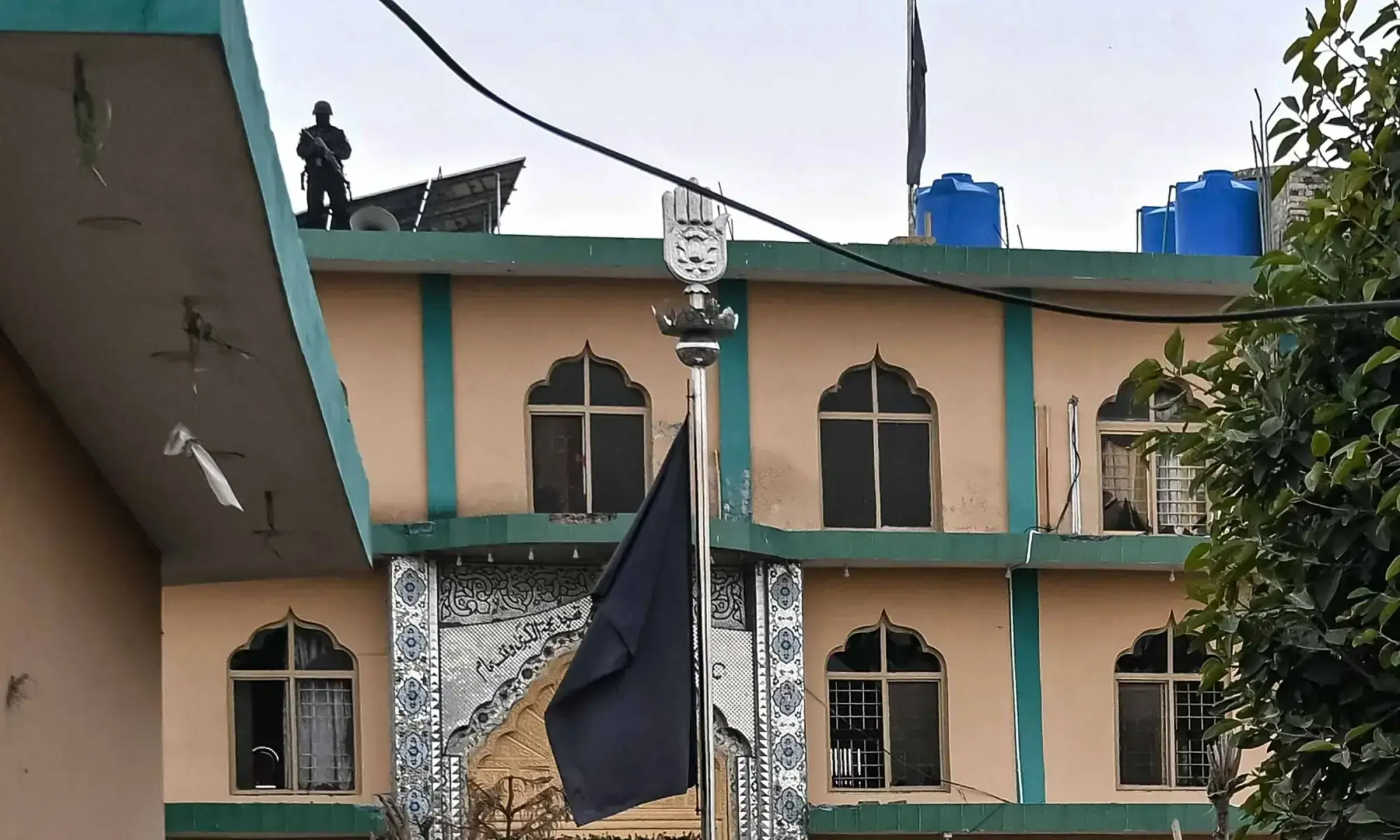
In 2025 alone, Pakistan conducted more than 75,000 intelligence-based operations across the country, dismantling terrorist formations and neutralising militants. A striking proportion of those involved were Afghan nationals, reflecting the depth of Afghan-side involvement in anti-Pakistan terrorism. This has repeatedly surfaced in international reporting as Pakistan confronted a sustained spike in attacks and arrests tied to cross-border militant facilitation.
Pakistan’s geographic exposure magnifies the threat. It shares a 2,670-kilometre border — by far the longest of any neighbouring state. The border cuts through rugged terrain and dense kinship networks, which are routinely exploited by militant groups for infiltration, making Pakistan the primary firewall against the westward diffusion of jihadist violence.
The notion that Pakistan can be destabilised without broader repercussions is therefore dangerously myopic. Policies that tolerate, enable, or instrumentalise militant proxies against Pakistan may appear tactically convenient to some regional actors, but they undermine collective security. Terrorist ecosystems, once empowered, rarely remain controllable. As global benchmarking shows, Pakistan continues to rank among the states most affected by terrorism, reinforcing the scale of the threat confronting it.
Afghanistan’s transformation into a hub for transnational militancy is now acknowledged not only by Pakistan but by Russia, China, Iran, Central Asian states, as well as UN monitoring bodies. The problem is no longer one of competing narratives; it is a documented security reality, as international reporting continues to describe Afghanistan as a post-withdrawal magnet for armed networks.
Despite immense pressure, Pakistan has consistently chosen engagement over abandonment. When Kabul fell in 2021, and much of the international community closed its embassies, Pakistan kept its mission open and facilitated evacuations.
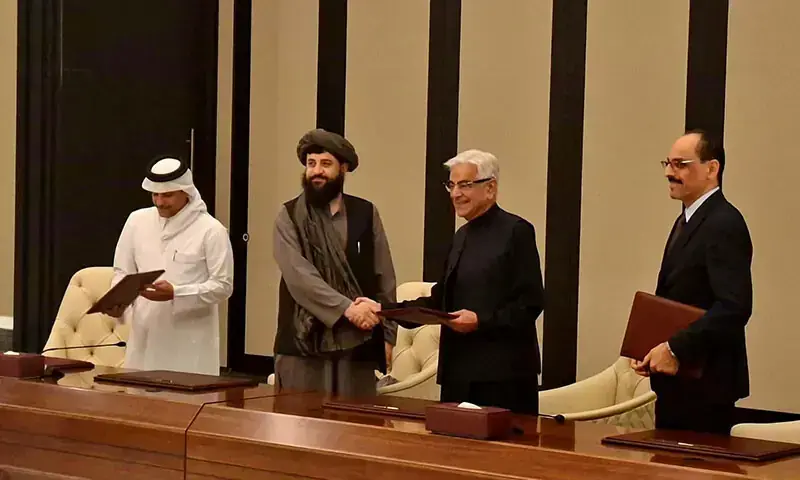
It has advocated for humanitarian support to the Afghan people, called for the unfreezing of Afghan assets to prevent economic collapse, and invested in trade, transit, and border mechanisms to stabilise livelihoods.
Pakistan has also hosted millions of Afghan refugees for decades, absorbing a humanitarian burden that few states would tolerate, even though it is not a signatory to the 1951 Refugee Convention.
These actions underscore a central truth: Pakistan’s objective is not confrontation with Afghanistan but containment of a threat that endangers the region and the world. Yet engagement without accountability has limits.
The Taliban’s failure to take verifiable action against terrorist groups operating from Afghan soil has turned Afghanistan into a net exporter of insecurity. Major reporting has consistently linked Afghanistan’s permissive environment with the rising tempo of attacks in Pakistan.
Allowing this trajectory to continue unchecked risks recreating the pre-9/11 environment — this time with more sophisticated networks, advanced weaponry left behind after the Western withdrawal, and digital tools that accelerate recruitment and radicalisation. Evidence of ideological-military institutionalisation is increasingly visible, including reports of new militant training camps in Afghanistan linked to Taliban factions and allied groups.
For major powers, the strategic implications are clear. Supporting Pakistan in its efforts to eradicate cross-border terrorism is not a favour; it is a strategic necessity that requires intelligence cooperation, diplomatic backing, and coordinated international pressure on the Taliban to honour their commitments, dismantle terrorist sanctuaries, and end cross-border militancy.
The alternative strategic neglect or proxy-driven destabilisation would be far costlier. Pakistan’s war on terror has never been only Pakistan’s war. It has been fought, often quietly and at enormous human cost, on behalf of a global order that depends on preventing ungoverned or ideologically weaponised spaces from becoming incubators of transnational violence. Pakistan’s 2025 operational tempo and threat environment have been extensively documented in international reporting tracking the resurgence of militant violence.
If the international community fails to recognise this reality, it risks learning once again, perhaps too late, that terrorism ignored at its source rarely stays there. The warning is no longer theoretical: international reports increasingly describe Afghanistan’s post-2021 environment as a convergence space for armed networks with regional reach, reinforcing the urgency of collective action against the renewed Afghanistan-based militant threat.