Diesel price cut by Rs32 a litre, petrol unchanged
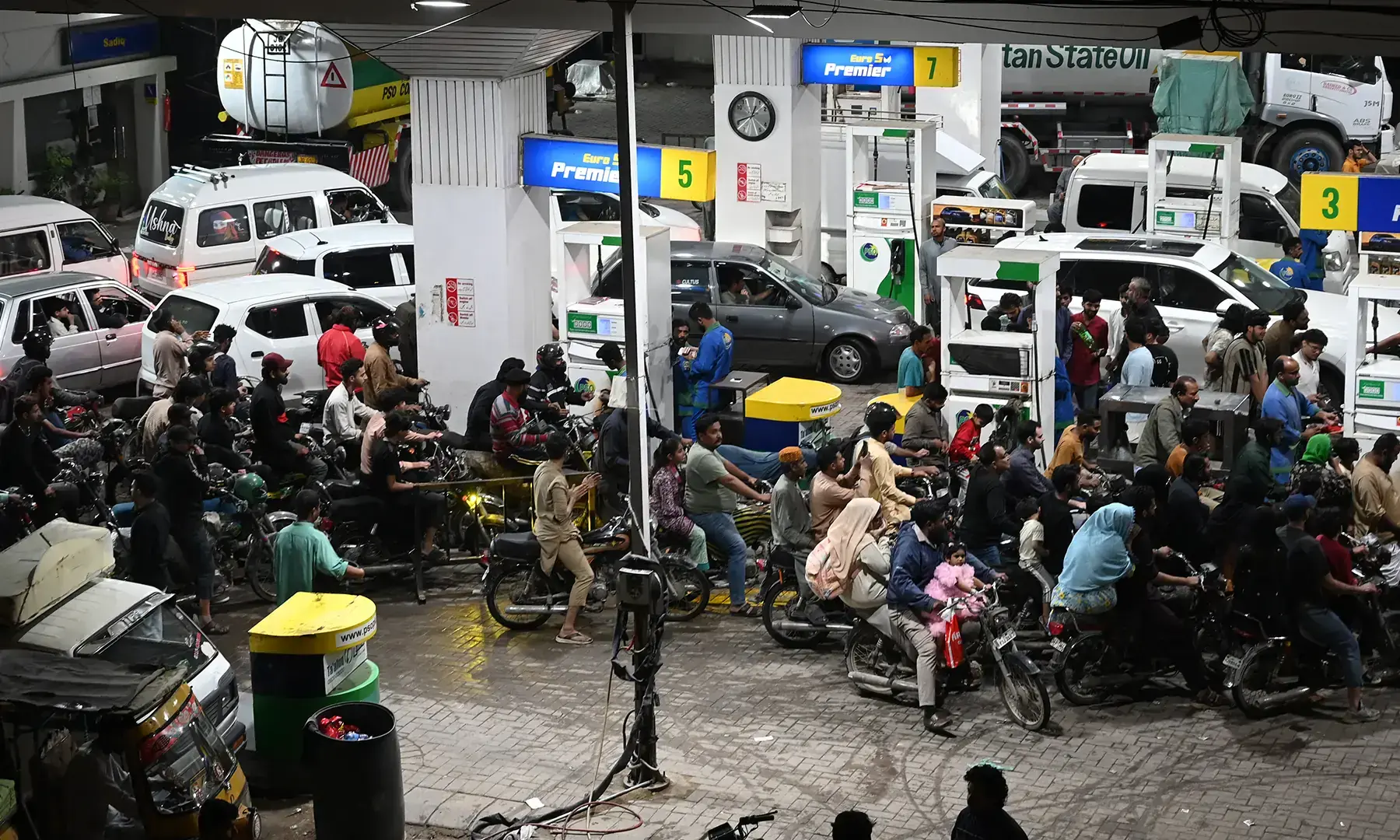
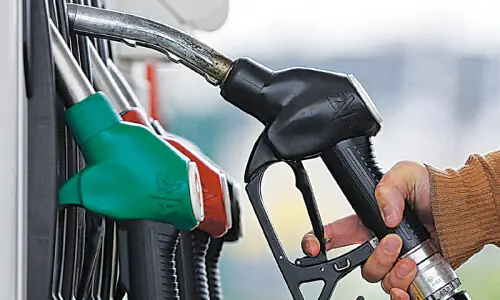
ISLAMABAD: Prime Minister Shehbaz Sharif on Friday announced a reduction of Rs32.12 per litre in diesel prices while keeping petrol rates unchanged for the week ending April 24, passing on the impact of easing global prices following the ceasefire announced by the United States and Iran.
The last-minute reopening of the Strait of Hormuz and the resulting 12-13 per cent decline in global prices were not taken into account before the prime minister approved the diesel price cut through a written statement. The sharp fall, which came soon after the agreement between the US and Iran, along with further expected reductions in the coming days, is likely to be reflected in domestic prices next week.
Accordingly, the ex-depot price of high-speed diesel (HSD) has been fixed at Rs353.42 per litre, down from Rs385.54, marking a decline of 8.3pc. Diesel prices have dropped significantly from their peak of Rs520.35 on April 10. HSD is considered the most inflationary fuel due to its widespread use in freight transportation.
On the other hand, petrol prices were kept unchanged at Rs366.58 per litre.
In a statement, the Prime Minister’s Office said PM Shehbaz, while approving the reduction in diesel rates, aimed to provide relief to the public and would continue to pass on the benefits as early as possible.
Tax rates on all petroleum products were kept unchanged. The government is currently charging about Rs36 per litre on HSD, including Rs33 in customs duty and Rs2.5 as climate support levy. Total taxes on petrol amount to Rs107 per litre, including Rs81 petroleum levy, Rs24 customs duty and Rs2.5 climate levy.
Meanwhile, the Oil and Gas Regulatory Authority (Ogra) said it had processed the disbursement of Rs38 billion in price differential claims (PDC) to 34 oil-marketing companies, under which the government provided subsidies on petrol and diesel.
Petrol and HSD remain the main revenue generators, with monthly sales of around 700,000 to 800,000 tonnes, compared to just 10,000 tonnes of kerosene demand.
Published in Dawn, April 18th, 2026