Parliamentary committee seeks institutionalisation of Peca


 0
0
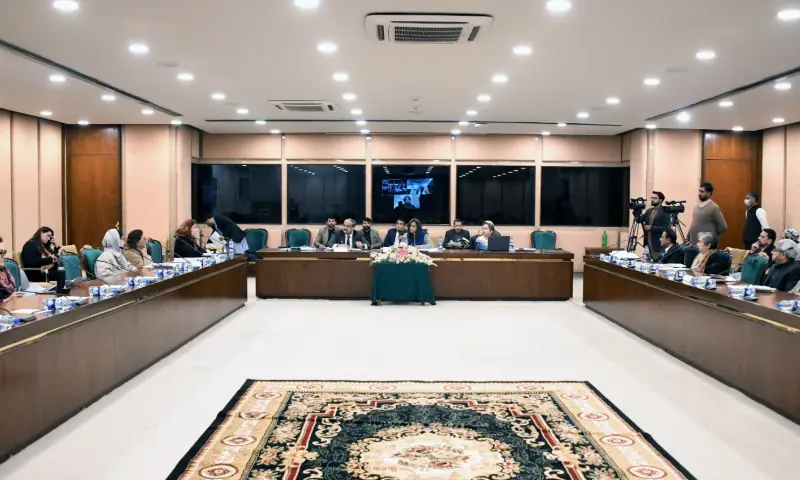

ISLAMABAD: Expressing serious concern over delayed responses by relevant departments and calling for a stronger institutional response to digital violence against women, a parliamentary body on Wednesday stressed the urgent need for the institutionalisation of the Prevention of Electronic Crimes Act (Peca).
The decision was taken during a meeting of the Special Committee on Gender Mainstreaming, held here under the chairpersonship of MNA Dr Nafisa Shah.
During the meeting, the committee was presented with a draft report of the Parliamentary Hearing on Digital Violence Against Women in Pakistan. The draft was discussed in detail, and valuable input was received from committee members as well as representatives of relevant ministries and concerned departments.
Chairperson Dr Nafisa Shah emphasised that Peca 2025 must be implemented in letter and spirit, rather than remaining merely a legislative instrument.
She further directed that access to justice for ordinary complainants must be made easier, particularly through the strengthening of complaint-handling institutions. She strongly urged the establishment and effective functioning of Child Protection and Child Cyber-Stalking Response Centres, highlighting the growing vulnerability of children in the digital space.
The committee underscored the importance of a robust and responsive complaint-handling mechanism, urging the National Cyber Crime Investigation (NCCI) to involve local police in a professional and expert manner for the resolution of complaints at the grassroots level.
The chairperson stressed that combating digital violence against women requires a coordinated, multi-agency approach involving law enforcement, regulatory bodies and support institutions.
The committee also highlighted vague provisions within Peca, expressing concern that such laws were often misused against civil society actors, journalists and political parties, instead of being effectively utilised to provide relief to victims of digital abuse.
It further stressed the urgent need to assess the scale and nature of digital violence against women, identify gaps in law, policy, enforcement and victim support mechanisms, and recommend corrective measures to ensure meaningful protection for victims.
MNA Naz Baloch voiced deep concern over the rising incidence of cybercrime. She highlighted capacity and competency gaps within concerned departments and raised issues related to child abuse, lengthy complaint procedures, misuse of artificial intelligence and the need for immediate and serious action on FIRs.
She also emphasised the need to deploy an adequate number of trained women officers within the NCCI to effectively pursue cases involving women and children.
Chairperson of the National Commission on the Status of Women (NCSW) Umme Laila Azhar presented a comprehensive review of existing laws, progress made and recent legislative developments aimed at addressing digital violence against women. Committee members reaffirmed their commitment to strengthening legal and institutional frameworks to ensure safe, inclusive and accountable digital spaces for women and children across Pakistan.
The committee appreciated and formally acknowledged television productions, including “Ek Nai Pakeeza,” for their meaningful contribution to raising public awareness about digital violence against women. Members observed that such productions effectively highlighted real-life challenges faced by women in the digital space, including online harassment, cyber-stalking and other forms of digital abuse, while underscoring the social, psychological and legal implications of these crimes.
The meeting noted that television and digital media could serve as vital tools for educating communities, encouraging victims to report offences and supporting national efforts to prevent and combat digital violence against women. Dr Shah recognised the power of creative media and storytelling in sensitising society and commended these initiatives for promoting ethical digital behaviour, empathy for victims and informed public discourse.
Published in Dawn, January 29th, 2026