Govt plans to shut down 16 Afghan refugee camps amid ongoing repatriation


 0
0
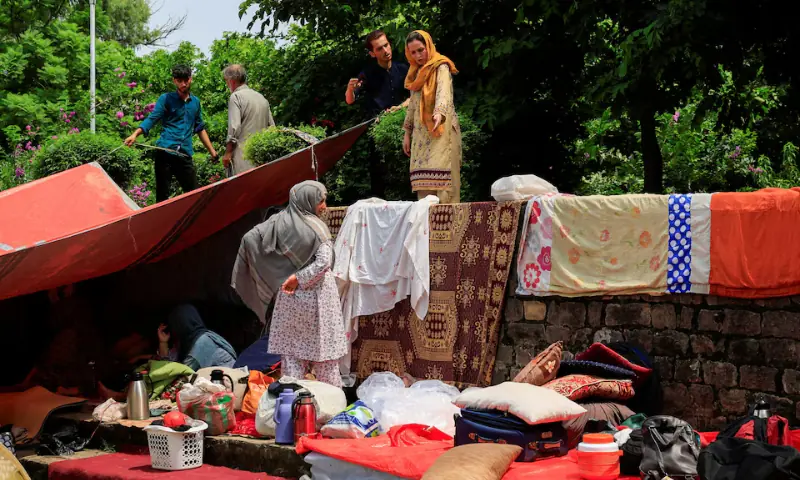

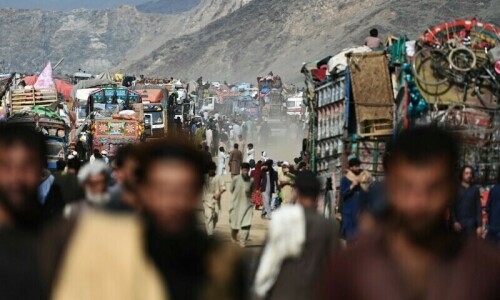
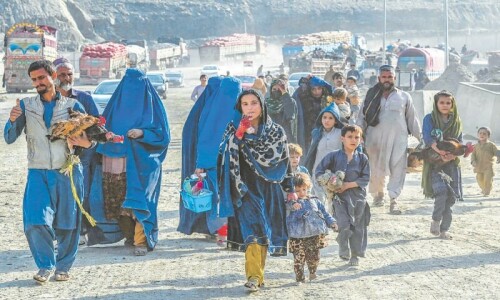
Pakistan has decided to shut down 16 Afghan refugee camps in Khyber Pakhtunkhwa (KP), Balochistan, and Punjab as the repatriation of refugees continues.
The federal government last month informed the provinces that the formal repatriation and deportation of over 1.3 million Afghan refugees holding Proof of Registration (PoR) cards will begin on September 1.
The decision followed the interior ministry’s announcement on July 31 that PoR cardholders — the last category of Afghans legally residing in Pakistan without visas — became unlawful residents after their cards expired on June 30.
According to notifications dated September 25, 2025 and issued by theMinistry of States and Frontier Regions (Safron) — copies of which are available with Dawn.com — denotified camps are located in Haripur, Chitral and Upper Dir in KP, Chaghai, Loralai, Killa Saifullah, Pishin and Quetta in Balochistan, and Mianwali in Punjab.
When asked about the opinion on denotifying camps where thousands of refugees are staying, the Afghan Chief Commission did not respond to a request for comment.
Haji Abdul Samad, who is representative of a main camp in Haripur, Khyber Pakhtunkhwa, told Dawn.com this week that local officials have told him to vacate the camp in accordance with the government’s policy.
He, however, said there has been no raid, arrest or pressure on refugees to leave the Panian camp, which houses about 13,000 families and over 90,000 refugees, according to Abdul Samad.
Chief Minister KP Ali Amin Khan Gandapur stated on a number of occasions that his government will not force refugees to return.
The Safron ministry notifications say all lands within the denotified areas will be handed over to the provincial governments and deputy commissioners of the concerned districts.
They also read that all non-movable assets within the notified area will also be handed over to the provinces and deputy commissioners.
Most of the camps had been set up in early 1980s when refugees started coming to Pakistan after the invasion of the erstwhile Soviet Union.
UNHCR concerned
United Nations High Commissioner for Refugees (UNHCR), the UN refugee agency, has shown concern at Pakistan’s decision to denotify some of the refugee villages.
It reiterated that returns to Afghanistan should be voluntary, phased, safe and dignified.
“Many of the people affected are Afghan refugees who have lived for years in these villages and have expressed great despair about how this development is going to impact on their lives,” spokesperson for UNHCR Pakistan, Qaiser Khan Afridi, told Dawn.com on Saturday.
“In particular, UNHCR urges that people with international protection needs and those with humanitarian considerations face particular challenges and should be protected against (forced) returns,” Afridi said.
Pakistan started repatriation of Afghan refugees in 2023 over security concerns and amid tension with the Taliban government.
Pakistan also argues that war has ended in Afghanistan and refugees should go back.
However, the refugees complain about the lack of transport. They say that they face problems finding trucks for shifting their household goods.
Gada Ali Khan Zadran, a representative of the refugees at Mianwali camp, told Dawn.com that refugees are facing difficulties in finding transport to take household items to Afghanistan.
Zadran also said that the fare of transport has also been increased from Rs300,000 to 600,000.
According to UNHCR, there were over 1.3 million Afghans in Pakistan as of June 30, 2025. More than half of them (717,945) lived in KP, 326,584 in Balochistan, 195,188 in Punjab, 75,510 in Sindh and 43,154 in Islamabad.