ISLAMABAD: The Asian Development Bank (ADB) is poised to finance a climate-resilient and low-carbon agriculture mechanisation project in Punjab, designed to enhance access to modern farming equipment for small farmers while reducing the sector’s environmental footprint.
The proposed Punjab Climate Resilient and Low Carbon Agriculture Mechanisation Project will involve the import of advanced agricultural machinery, which is expected to improve efficiency, reduce fuel consumption, and lower greenhouse gas emissions.
This machinery will replace the outdated, inefficient equipment currently used in the province, much of which is 20 to 60 years old. The ADB report highlights that the existing machinery is fuel-inefficient, produces higher emissions, and is less environmentally friendly.
Under the new project, small farmers will be able to access this modern equipment during critical periods such as sowing and harvesting, which they could not otherwise afford. The mechanisation is expected to enhance agricultural productivity, increase crop yields, and reduce operational costs by decreasing the reliance on large labour forces.
The ADB report also notes that while the introduction of hi-tech machinery will reduce emissions, improper use of the equipment could lead to increased pollution. The agriculture sector currently accounts for 174.6 million tonnes of carbon dioxide equivalent emissions, with a significant portion stemming from rice paddy flooding, crop residue burning, excessive fertiliser use, and livestock management. Of these emissions, 89.8 tonnes are methane, and 83.7 tonnes are nitrous oxide.
Punjab to receive machinery for sustainable agriculture aimed at reducing emissions and improving productivity
The project aims to reduce these emissions by promoting sustainable farming practices and minimising harmful activities, such as stubble burning. The import of bailers, for example, will discourage crop residue burning and help improve air quality and soil health. Additionally, the introduction of climate-adaptive seed lines and the training of farmers in low-carbon farming methods will further reduce emissions while improving productivity.
The mechanisation project will also focus on empowering women, providing them with alternative livelihood opportunities and training in sustainable farming practices. These efforts are expected to lower input costs, enhance yields of key crops, and reduce greenhouse gas emissions in the long term.
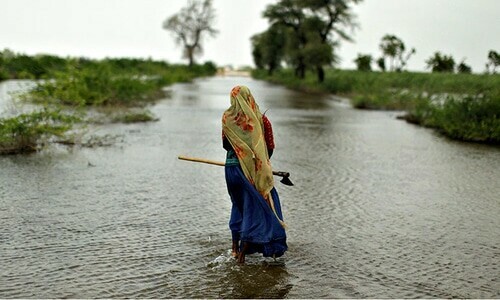
Punjab, the country’s agricultural powerhouse, contributes 76 per cent of the national wheat, 62pc of rice, and 91pc of maize production. However, the province faces significant risks from climate change, which threatens crop yields through shifts in temperature, precipitation patterns, and water resource variability. Studies predict that, even under lower emissions scenarios, key crops like wheat and maize could see yield reductions of 5pc and 6pc, respectively.
To combat these challenges, the ADB project will establish a circular agriculture model that promotes resource efficiency, reduces environmental impacts, and encourages the adoption of advanced machinery. The model will also involve strategic private-sector engagement to promote sustainable biomass utilisation and off-farm rice residue management.
As climate change continues to impact agriculture in the region, the project aims to build resilience and mitigate the sector’s environmental impact, ensuring long-term sustainability and economic benefits for small farmers in Punjab.
Published in Dawn, August 31st, 2025