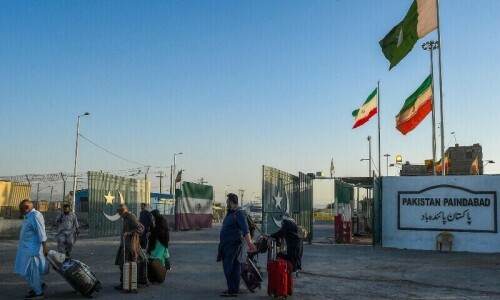
The Pakistan Peoples Party (PPP) on Monday criticised the federal government’s move to ban Pakistani piligims from travelling to Iran and Iraq by road.
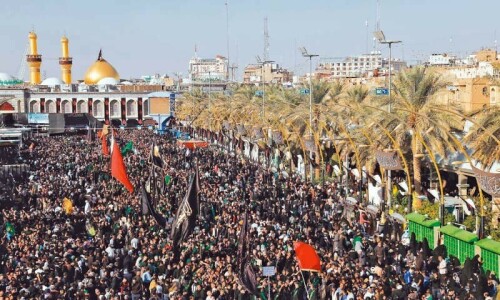
Pilgrims visit Iraq to attend the chehlum commemoration — also known as Arbaeen (40 in Arabic) — to mark the 40th day of mourning for the martyrdom of Imam Husain, the grandson of the Holy Prophet Muhammad (PBUH).
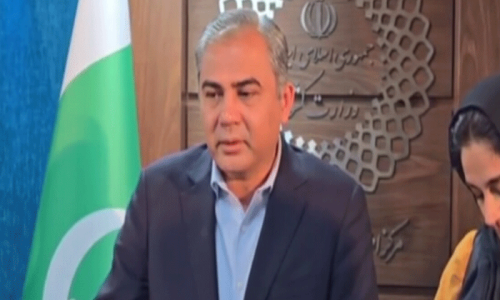
A day earlier, Interior Minister Mohsin Naqvi said that zaireen (pilgrims) will be barred from travelling by road to Iran and Iraq for the Arbaeen pilgrimage due to public and national security.
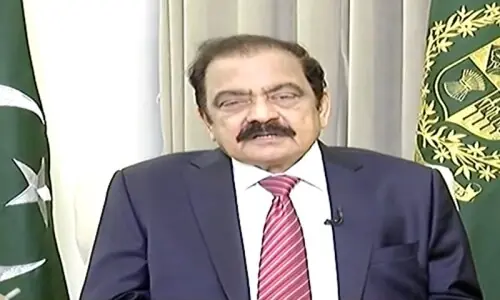
PPP leader Hassan Murtaza issued a statement today, saying: “The federal and provincial governments should ensure the safety of pilgrims with the help of security agencies.”
The state was responsible for the security of travellers, he added.
He criticised the ban, stating that it will severely affect the common man. “Why can’t a common man, who pays taxes to the state, travel by land?” he said.
The PPP leader said that pilgrimages were being removed from the reach of the poor.
“The Arbaeen pilgrims save up each penny to go on pilgrimage with their family. Visitors prefer travelling by road because it costs less money,” he added.
Iraq’s Karbala, where Imam Hussein and his brother Abbas are buried in two enormous mausoleums facing each other, is the centre of the Shia world during this time. More than 21 million devotees took part in the pilgrimage last year.
Pakistan is set to introduce a new travel management system from Jan 1, 2026, under which pilgrims will only be allowed to undertake the journey under registered organisers.
Under the new measures, the traditional Salar System will be abolished and replaced with a Zaireen Group Organisers model. Alongside weekly flights to Iran being increased from six to 15, 107 additional special flights will also be arranged for pilgrims heading to Iraq.
After the PM-interior minister’s meeting a day earlier, Pakistan International Airlines announced that it will start special flights for Iraq to accommodate zaireen from Aug 8 to 11.
Reacting sharply to the move, the Majlis Wahdat-i-Muslimeen (MWM) rejected the ban on Sunday, calling it unacceptable, unjustified and unconstitutional.