0
0
PESHAWAR: Medical Transplantation Regulatory Authority has launched deceased organs donation programme to cover the widening gap between demand and supply of organs and ensure treatment of patients.
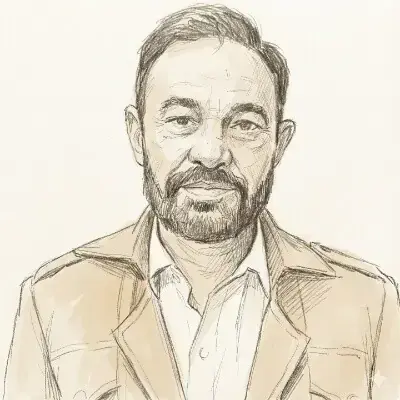
Last week, Arshad Durrani, a resident of Charsadda district, became the first person to voluntary donate his organs after death and 14 others followed suit since then.
Asif Masood, the deputy administrator of MTRA, told Dawn that scores of people were awaiting renal and other organ transplants but number of donors was few and couldn’t meet the demand, therefore, deceased organ donation programme was launched.
“Several individuals have registered online as organ donors. It has been observed that people are showing willingness to register and contribute towards this noble cause,” he said.
Arshad Durrani of Charsadda becomes the first person to voluntary donate his organs after death
He said that recently Chief Minister Ali Amin Khan Gandapur at a ceremony honoured the family of Jawad Khan, a ninth grader, for donating organs at Hayatabad Medical Complex, Peshawar, that led to saving three lives and respiration of eyesight of two others. On the request of MTRA, the chief minister also announced sending for Umrah five family members of late Jawad Khan and paving road to his native village in Rustam, Mardan.
Mr Masood said that the step was meant to acknowledge the sacrifice of the family. He said that MTRA, established through legislation in 2014, with supporting rules finalised in 2017 to combat illegal organ transplants and oversee ethical, safe and transparent transplantation practices in the province. So far, 640 renal and 600 corneal transplants have been carried out in registered hospitals.
MTRA administrator Prof Asif Malik, who carried out the first renal transplant in Institute of Kidney Diseases (IKD), said that they were trying to promote organ donation, not only to benefit patients but also to put brakes on illegal practices.
To promote deceased organs donation, MTRA was going to organise trainings for the doctors working in ICUs of medical teaching institutions with a view to persuade the relatives of brain dead patients for donating organs so those could be transplanted to deserving people, he said.
“We have also opened portal where people can register themselves for donating organs after death. The programme to impart train to ICU doctors is meant to educate relatives of ventilator-supported brain dead patients on agreeing donating organs and manage patients and inform the response team for retrieval of organs,” he said.
Prof Asif said that currently, majority of patients undergoing dialysis required renal transplants but in view of lack of awareness, donors were not available that resulted in complications to patients.
He said that they also wanted to start organ exchange programme for which MTRA had granted approval to registered hospitals. The programme, also called a paired exchange or kidney exchange, is a system that facilitates organ transplantation between individuals, who are not directly compatible for donation but can be paired with another donor-recipient pair for a successful exchange.
Prof Asif said that it was a problem that in many cases recipients and donors were not fit medically due to which the transplant couldn’t be conducted legally. However, patients will benefit from pair exchange programme.
“We want to increase the number of transplants by allowing individuals with incompatible donors to still receive a transplant through a chain of compatible matches,” he said.
The MTRA head said that work on transplant tower was also in progress at Khyber Teaching Hospital where initially renal transplants would begin to be followed by bone marrow and liver transplant modelled after Pakistan Kidney and Liver Institute, Lahore. “We are trying to ensure full-fledged facilities in the transplant tower and donors and recipients receive all services there,” he added.
Published in Dawn, July 24th, 2025