Punjab Assembly speaker bins pleas for PTI MPAs’ disqualification


 0
0
• Punjab Assembly speaker says allegations of constitutional violations need to be first proven in ‘court or tribunal’
• Notices issued to 10 MPAs for payment of damages caused during budget session withdrawn
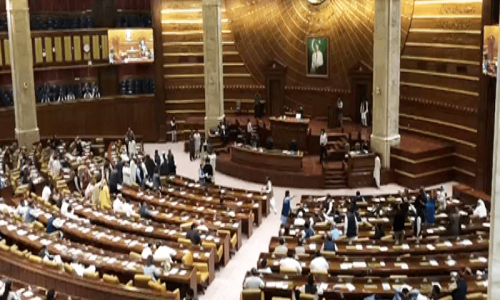
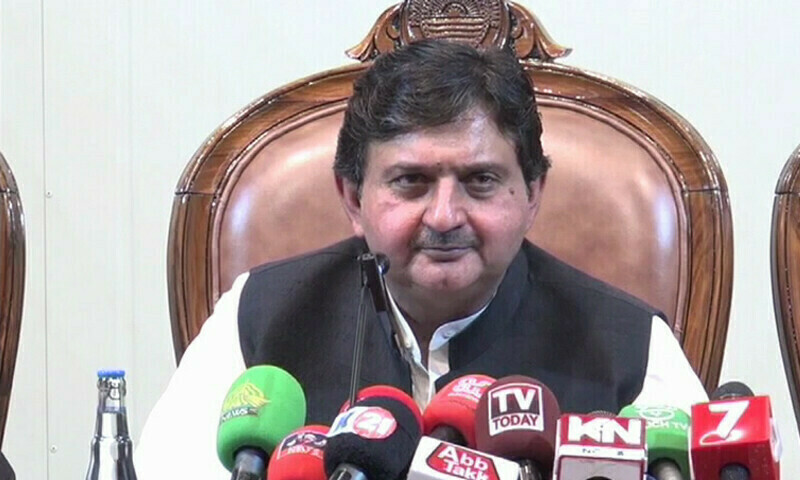
LAHORE: In a significant step towards de-escalation of political tensions in the Punjab Assembly, PA Speaker Malik Muhammad Ahmad Khan has formally rejected the petitions seeking the disqualification of 26 PTI members.
This decision followed successful negotiations between the government and the opposition, and is expected to pave the way for the swift reinstatement of these suspended lawmakers.
The ruling comes after weeks of parliamentary deadlock, which saw the opposition members suspended for “disorderly conduct” during the budget session on June 27. The suspension for 15 sittings was a direct response to protests that disrupted Chief Minister Maryam Nawaz’s speech and involved the use of “offensive, abusive, and unparliamentary language and slogans”, as well as alleged physical altercations.
In his detailed written decision, the speaker firmly rejected the petitions. He underscored that the speaker’s role was not merely to act as a “postman” by forwarding such requests to the Election Commission. He cautioned that such an unscrutinised process could “weaken the constitutional framework” and “curtail freedom of expression” within the provincial assembly.
He clarified that while disruptive behaviour in parliaments worldwide often faced stringent measures, the serious allegations of legal and constitutional violations, including those related to oaths, must first be proven in a competent court or tribunal. He asserted that only after a judicial verdict would he be in a position to determine if disqualification under Article 63(2) of the Constitution was warranted, and if the matter should be subsequently referred to the Election Commission.
Four separate applications had been submitted demanding the disqualification of these members, with petitioners citing precedents like the Panama Papers case involving then-prime minister Nawaz Sharif and alleging violations of the speaker’s ruling and constitutional oaths. However, the speaker dismissed the disqualification requests that referenced the Panama case and similar decisions made under Articles 199 and 184-3 of the Constitution.
He stated that the petitioners retained the option to approach his office again, but only after securing a definitive decision from a competent court. The speaker also decided to withdraw the notices issued to 10 PTI MPAs for payment of damages caused to the furniture and other assets of the house during the June 27 session. The opposition members obstructed the proceedings of the house on June 27 by tearing agenda papers, hurling them at the treasury, using extreme derogatory language and physically impeding members who approached the treasury benches, according to the ruling, which shared the background of the petitions.
It was learnt that the policy of removing opposition members from the chairmanship of 13 standing committees was also being reversed, and the four chairpersons already removed from their offices through no-trust votes would also be reinstated.
Meanwhile, the opposition has intensified its pressure tactics, holding a ‘public assembly’ on the road outside the Punjab Assembly. During this ‘outdoor session’, the opposition leaders, like Ahmad Khan Bhachar, criticised the government’s handling of recent floods, soaring prices of essential commodities like sugar and petrol, and alleged political victimisation.
Mr Bhachar reiterated that the opposition would not return to the assembly until their suspended members were reinstated. He also presented a resolution condemning the government’s actions, which was passed by the ‘outdoor assembly’. According to political analysts, the decision by the speaker stressed the importance of due process and constitutional principles in parliamentary affairs and aimed to foster a more functional and less volatile political environment in Punjab.
While the government and opposition have agreed on activating the Advisory and Ethics Committees and avoiding indecent language in future sessions, the full reinstatement of the 26 members is now the immediate next step in restoring full parliamentary cooperation.
Published in Dawn, July 20th, 2025