111 deaths recorded since June

ISLAMABAD: Monsoon rains in Pakistan have been linked to more than 110 deaths including dozens of children since they arrived in late June, according to government figures released on Monday.
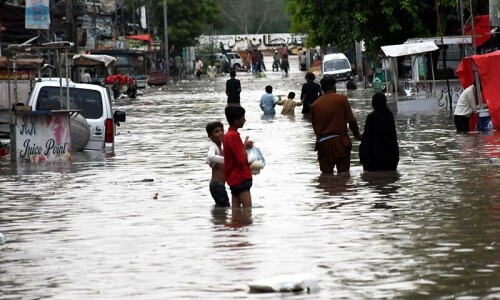
Data from the national disaster agency between June 26 and July 14 showed that electrocution was the leading cause of fatalities, followed by flash floods.
In late June, at least 13 tourists were swept to their deaths while sheltering from flash floods on a raised river bank.
In its latest report, the disaster agency said 111 people, including 53 children, have been killed, with the highest number of deaths in the most populous province of Punjab.
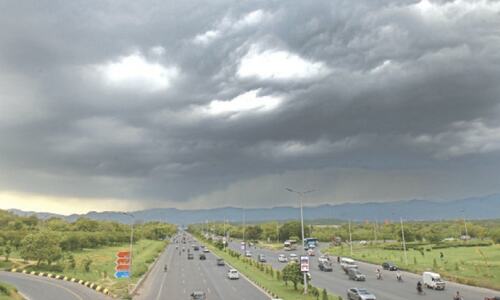
Meanwhile, the national meteorological service has issued a warning for further heavy rainfall in the northern and eastern regions of the country, with the potential for urban flooding, landslides, and infrastructure damage due to strong winds.
Monsoon season brings South Asia 70 to 80 per cent of its annual rainfall, arriving in early June in India and late June in Pakistan, and lasting through until September.
The annual rains are vital for agriculture and food security, and the livelihoods of millions of farmers.
South Asia is getting hotter and in recent years has seen shifting weather patterns, but scientists are unclear on how exactly a warming planet is affecting the highly complex monsoon.
Pakistan is one of the world’s most vulnerable countries to the effects of climate change, and its 240 million residents are facing extreme weather events with increasing frequency.
In 2022, unprecedented monsoon floods submerged a third of Pakistan and killed 1,700 people, with some areas yet to recover from the damage. In May, at least 32 people were killed in severe storms, including strong hailstorms.
Published in Dawn, July 15th, 2025