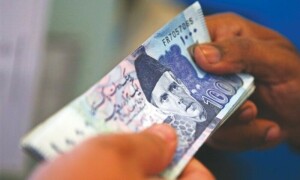
THESE are tough times, but the country is lucky enough to still be considered home by a large expatriate workforce, which keeps remitting a vital chunk of their foreign earnings to the motherland, helping our federal accountants tidy up their deficits. In the recently concluded fiscal year, overseas Pakistanis’ remittances reached a record high of $38.3bn, surpassing the total value of all other exports by the country in that same period by more than $6bn. That delta will prove key when Pakistan makes its current account calculations for the year; a surplus is expected, although final data for all 12 months of fiscal 2025 have not yet been issued. The substantially improved remittance inflows, up 26.6pc over the previous year, have also helped the State Bank enhance its forex holdings to $14.5bn, which is more than its target of $14bn by the end of the year. Seen from a different perspective, the people ‘exported’ by Pakistan to the world are a far more valuable source of foreign exchange for it than everything its industries and services sector can offer to the global economy. This is far from ideal, but it is what it is.
Which is why a related development needs careful consideration. According to the State Bank, the government has decided to reduce the incentives given to banks and exchange companies for facilitating overseas inflows through official channels. Simply put, these incentives had been introduced to encourage banks to sweeten their remittance offerings and make formal channels a better, more reliable option for overseas Pakistanis. While the incentives have been reduced, not removed, this could still impact the viability of formal channels for remitters, especially if banks decide to pass on the cost of reduced incentives to their customers. This could take the form of considerably less lucrative exchange rates compared to informal channels, which may prompt remitters to revert to using hundi and hawala once again. The net result would be a decline in official foreign exchange flows, which could, in turn, affect the country’s overall reserves. Policymakers should not need reminding that the reserves are precariously balanced — built with deposits from friendly countries and reliant on rollovers and swap agreements. If banks ‘minting money’ off remittances is a problem, there should be a better way to address this. Risking forex flows through formal channels seems like a bad idea.
Published in Dawn, July 11th, 2025