0
0

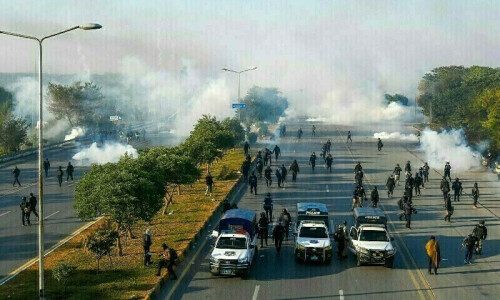
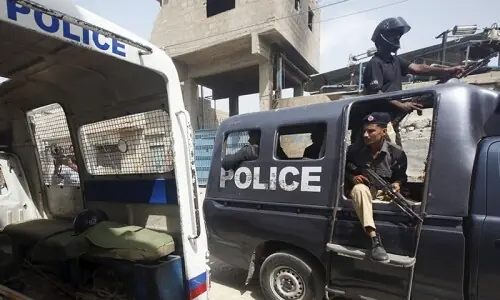
AN Islamabad antiterrorism court has handed out varying sentences to 12 individuals, including a PTI National Assembly member, in a May 9 rioting case. MNA Abdul Latif and other party supporters have been convicted of attacking a police station in the federal capital.
The sentences, the first related to the May 9 events in the capital, raise troubling questions about the use of antiterrorism laws against political dissidents, including lawmakers.
While it is true that the violent actions of PTI supporters after the arrest of their party chief and ex-prime minister Imran Khan were indefensible in many cases, should these individuals be tried under antiterrorism laws? After all, ATCs and the even harsher military courts are reserved for anti-state elements including ‘jet-black’ terrorists.
The PTI’s lawmakers and supporters do not fall within this very narrow category. They should have been tried under the regular courts. The ATC judge concerned has said that the convicts met the threshold of terrorism, while the party has termed the sentences “unjust” and “politically motivated”.
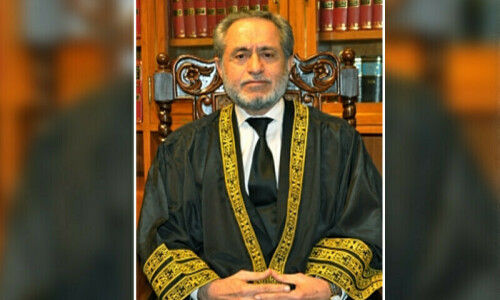
In a related development, Justice Jamal Khan Mandokhail of the Supreme Court’s Constitutional Bench, in a dissenting note, has criticised the use of courts martial in terrorism-related cases.
Pakistan indeed needs to tackle terrorism with the full force of the law. But there has to be a clear distinction between violent militants and political dissidents.
Political violence needs to be treated with the relevant legal instruments, while ATCs should be reserved for bringing violent terrorists to justice. While speaking in Lahore the other day, President Asif Zardari urged all “democratic forces” to unite.
Yet this unity will be hard to bring about if lawmakers and supporters of a major national political party are hounded by lawfare, using legal instruments meant for hardcore terrorists. All political forces, as well as the powers that be, must realise this.
The PTI has made plenty of mistakes in the course of its political journey, but parties evolve over time. The fact that it has a considerable national mandate cannot be ignored.
Instead of ‘punishing’ political opponents, a genuine process of reconciliation is needed with buy-in from all major political forces. Pakistan cannot afford internal discord and the suppression of rights at a time when it faces both external and internal threats to its security.
Published in Dawn, June 1st, 2025