PESHAWAR: A TV anchorperson and research scholar has unfolded Sufi Pashto poet’s personality with a shift in viewing his poetic tradition through conventional lens as a comparative study conducted on the oldest manuscripts in the British libraries put Rahman Baba in different perspective.
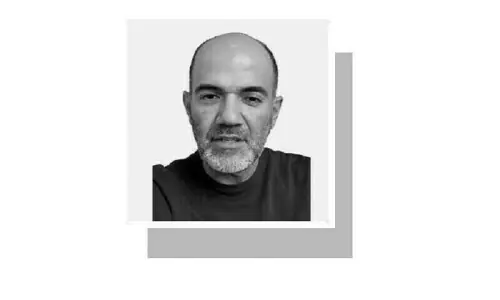
Research scholar Mohammad Aftab Khan has recently submitted his doctoral thesis titled ‘A comparative study of different manuscripts of Rahman Baba in British Library London’ to Pashto Academy, University of Peshawar, exploring the oldest manuscript of the Sufi poet quite different from those available with Pashtun scholars.
Presenting the summary of his scholarly work, Mr Aftab told this scribe that his doctoral thesis would greatly impact the perspective of research scholars on the Sufi poet, keeping in view gross interpolations in the text, script and phraseology of the classic poet.
The study was conducted under the supervision of internal and external examiners namely Prof Nasrullah Jan Wazir, former director of Pashto Academy, and Dr Zsofi Buda and Ursula Sims-Williams.
The new study comprised five chapters each focusing on the contribution of the orientalists to Pashto, manuscripts collected by different scholars, variance in the original text, comparison and a detailed note on diction in the light of age of the poet.
According to the scholar, the most authentic Pashto manuscript of Rahman Baba’s Diwan was scripted in 1773 by Fazle Mohammad Afghan Kasi, having around 200 poems.
About nine different manuscripts of Rahman Baba’s poetry were retrieved from various sources by orientalists and preserved on the rakes of five different libraries including British Library London. Major Raverty and Anglican Missionary TP Hughes were among the top collectors of Pashto manuscripts as numerous handwritten manuscripts of Rahman Baba’s poetic works were preserved including 10 copies kept in the old library of Pashto Academy, UoP.
“Having access to the primary sources in British Library London and four other libraries, shelving Pashto manuscripts was a hectic job as individuals are not allowed to get a microfilm, screenshot and even photocopy of the old manuscripts,” Mr Aftab told this scribe.
The old libraries in and around London preserved more than 300 Pashto manuscripts having religious contents, history, grammar, poetry and prose through different catalogues. The first ever printed version of Rahman Baba’s anthology was collected by TP Hughes and published in Lahore in 18 77. This version is the most commonly used one to this day.
Mr Aftab completed his doctoral thesis on the Sufi poet through self-sponsorship in three years and set a rare example of love for Pashto. He believes his study would establish a new perspective of looking Rahman Baba.
Published in Dawn, April 21st, 2025