0
0
KARACHI: As the city cooled down and the sun began to set, the Alliance Against Blasphemy Politics (AABP), in collaboration with the newly opened public library, Kitab Ghar, gathered with a group of concerned citizens to discuss misuse of the country’s blasphemy law.
The session began with two documentaries. The first was an animated film called Swipe, which depicted an app called iFatwa that allowed users to decide whether they would forgive someone for alleged offences against Islamic rules or demand that they be killed. The film took viewers on an emotional journey, concluding with a powerful message: any fire you start will eventually find its way to your own home.
The second documentary, The Inevitable Misuse of the Blasphemy Law, which was approximately 20 minutes long, discussed the history of the law, its specific wording and sources, its applications, and whether it is indeed misused or if other repercussions arise simply from its existence.
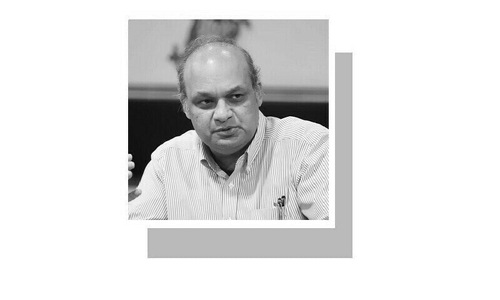
Both films were written and directed by Arafat Mazhar, a filmmaker and occasional columnist who founded AABP.
After the screenings, the audience moved to the library’s first floor for a panel discussion. Moderated by Mr Mazhar himself, the panel featured Luke Victor, a lawyer and representative of the Minority March.
The discussion began with Mr Mazhar who said it was important to initiate conversations on such sensitive topics and try to educate people about them. “We make safe choices to take measured steps, avoiding harm to anyone’s sentiments or inciting strong feelings, because our goal is to strategise through these risks and eventually reduce them,” he said.
Each panellist had six to eight minutes to discuss the topic, including any personal experiences they had with blasphemy and inequality.
Mr Victor shared his experience as both a member of Pakistan’s minority communities and an activist. “I have been privileged in the sense that I lived in good areas, attended good schools, and wasn’t fully exposed to the brutal realities that Christians face — until I began my activism. Then I realised this issue is so much more than I had imagined,” he said.
“This year’s Minority March faced threats, despite having government consent. We couldn’t even march as we had planned. We’re asking for equality, on just one day out of 365, and even on that day, we aren’t safe,” he added.
The discussion ended with questions and answers from the audience.
Published in Dawn, November 11th, 2024