Will India's Covid catastrophe hurt Modi?


 35
35
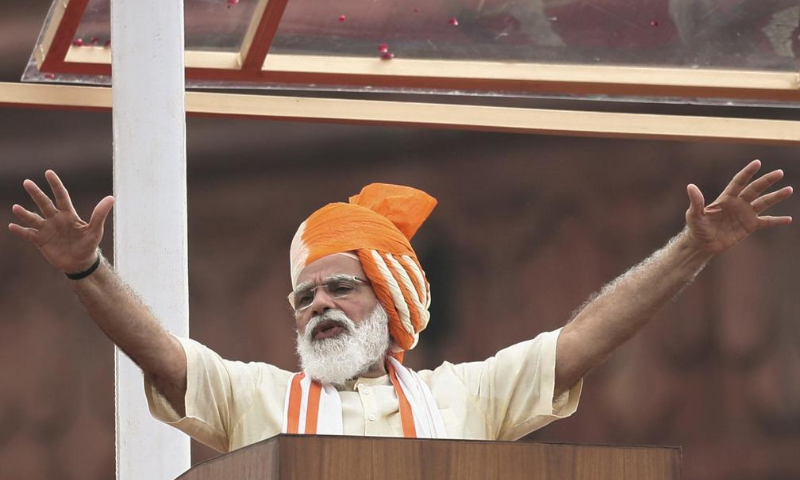
India is suffering a coronavirus catastrophe with millions of infections and nearly 300,000 dead but it is likely to have a limited impact on the political fortunes of Prime Minister Narendra Modi. Here's why.
How bad is the situation?
A massive surge in cases has overwhelmed the health system in many areas.
Officially, the death toll is nearing 300,000. But many experts say the actual figure could be three or four times higher — and maybe more.
Hundreds of bodies have been dumped in rivers or buried in shallow graves.
Barely three per cent of people are fully vaccinated.
India's top virologist recently quit a scientific advisory panel after criticising the government's “stubborn resistance to evidence-based policymaking”.
Was the government complacent?
In early 2021, it appeared India might have overcome the pandemic.
India has “saved the world from disaster by bringing the situation under control”, Modi said on January 28.
Huge political rallies for a string of elections and mass religious gatherings went ahead, including the Kumbh Mela with millions of mostly maskless pilgrims.
The authorities did little to prepare for another wave of infections, critics say. Oxygen production was not increased and field hospitals were dismantled.
Has Modi's popularity suffered?
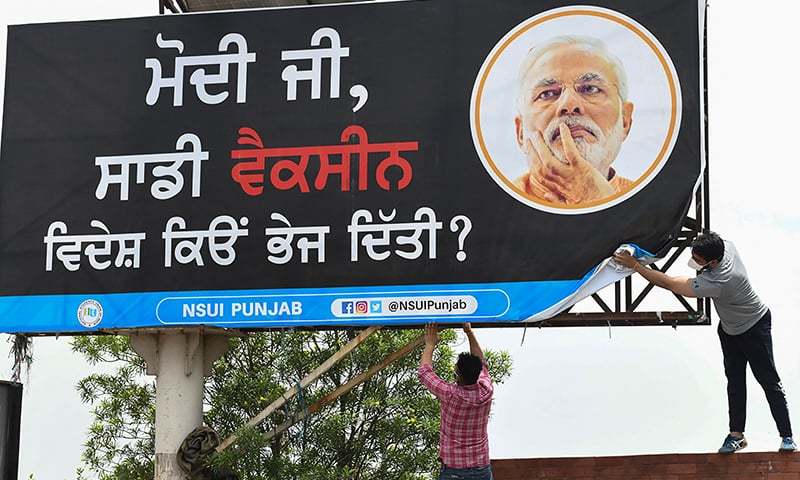
Two recent surveys, Twitter hashtags like #Modiresign and a barrage of anecdotal evidence strongly suggest so.
Emblematic for many is the fact that all the while work has continued on a grandiose revamp of the Indian parliament area.
“(Bodies) are literally floating in the River Ganga,” said a student, Oindrila Ghosh, 19.
“Why is the government prioritising this (project) more than the health and safety of the public?”
Some rank-and-file supporters of Modi's Bharatiya Janata Party (BJP) are unhappy.
The government “made a terrible mistake by not planning for a Covid second wave disaster,” 38-year-old Amit, a self-declared “hard-core” BJP supporter told AFP.
“This will make people like me not vote in the next election for the BJP, or any party.” Twenty-eight-year-old Shailja Jain said since voting for Modi in 2019 her support had already taken a hit from the BJP's “fascist, communal, casteist, hyper-capitalist agenda”.
“But their handling of the Covid-19 pandemic was the absolute last straw,” the chartered accountant told AFP.
How is Modi fighting back?
Helped by its social media army, the BJP has gone on the offensive, blaming state governments and others for what it says were Modi's repeated warnings of a second wave.
This week, the BJP released a “toolkit” purportedly compiled by the opposition Congress party aimed at “spreading fake, negative news and stirring up discontent”.
Congress called it bogus and Twitter labelled a tweet by the BJP's national spokesman featuring screenshots of the alleged masterplan as “manipulated media”.
Will it hurt Modi long term?
The BJP failed to win the state election in West Bengal and did poorly in some constituencies in Uttar Pradesh.
Some attribute this to Modi's handling of the pandemic.
But local issues were big in these elections, and the BJP did well in Assam and Puducherry and made substantial gains in West Bengal despite failing to clinch the state.
Nationally, the only real rival is the ailing Congress, and the next general election isn't scheduled till 2024.
“The Congress has completely collapsed everywhere,” said Kanchan Gupta from the Observer Research Foundation.
“Once initial anger subsides, people [will] start looking at things more rationally,” Gupta told AFP.
Michael Kugelman from the Wilson Centre said the current situation “will be forgotten soon enough”.
This is the case even if the pandemic continues.
“Modi is likely to go into the next election from a position of strength — no matter how the pandemic plays out,” he told AFP.
But Pratap Bhanu Mehta, a contributor to the Indian Express daily, is not so sure.
“This crisis is so personal to most people, it's not an abstract crisis. It's not happening to other people, it's happening everywhere,” he told AFP.