Old power plants to be phased out
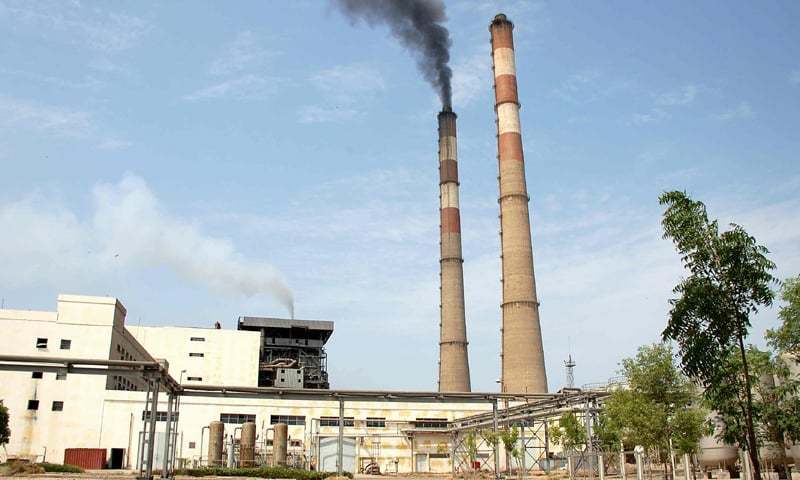


ISLAMABAD: The government on Thursday decided in principle to close down about 2,900 megawatts of government-owned old power plants in two phases and get rid of ‘must-run’ status of three LNG-based plants in Punjab of about 3,900MW.
Under the decision, various units of about 1,400MW at four generation companies of ex-Wapda would be closed down immediately, followed by another 1,500MW of units by the year 2022.
These issues came up for discussion at a meeting of the Cabinet Committee on Energy (CCoE) presided over by Minister for Planning and Development Asad Umar. The committee considered a proposal of the Power Division for shutting down low efficiency power plants.
After detailed deliberations, the committee “approved the proposal for closure of inefficient plants in a phased manner”, said an official statement. The committee directed the Power Division to work out the exact dates for closers of these power plants.
It also asked the division to submit a paper suggesting various liabilities of these projects if any and how these would be addressed and at what cost, an official said. A statement said the committee also sought a proposal relating to the human resource of these entities on humane, fair and just basis.
These developments came on a day when the newly-appointed power secretary Omar Rasul reportedly declined to continue owing to mishandling of some recent administrative matters, leading to reversal of removal of a few executives in the distribution companies on court orders. He did not respond to calls for comments.
Mr Rasul had replaced Irfan Ali on June 30 after the former power secretary developed differences with prime minister’s principal secretary over net hydel profit to provinces and unending circular debt, the procedure for induction of future power projects and ongoing problems with the K-Electric.
The CCoE also considered a proposal of the Power Division for waiver of minimum 66 per cent take-or-pay commitment in Power Purchase Agreements (PPAs) and Gas Supply Agreements (GSA) of three RLNG plants in Punjab.
It was explained that the induction of coal and hydropower plants and lower power demand had pushed these plants lower on the economic merit order but the government and its companies were compelled to run them because of their “must run” status.
Moreover, because of upcoming nuclear, hydro, other renewables and coal-based power plants, these RLNG-based plants would go further down on the economic dispatch merit order.
Therefore, it was important to keep their long-term impact on consumer end tariff in mind and do away with their 66pc minimum take-or-pay contract. It was also highlighted that about 1,200 million cubic feet per day (mmcfd) of LNG was also linked on the similar 66pc guaranteed supply contract and hence some other LNG consumers may be unavailable.
However, those representing the gas sector companies explained that they required long-term firm LNG demand orders from the power sector for clarity in planning for LNG import orders.
The meeting was also explained that doing away with these guarantees would have adverse impact on proposed privatisation proceeds but it would be worthwhile to consider long-term implications of locking such guarantees into long-term contracts rather than short-term proceeds.
It was argued that private sector would adjust its valuation of the assets at the time of bidding but changing terms and conditions after the privatisation would become impossible.
Published in Dawn, September 11th, 2020