Pakistan cautions against equating human rights violations in IoK with environment in AJK, GB



Pakistan on Monday welcomed a second report by the Office of UN High Commissioner for Human Rights (OHCHR) on Kashmir, but cautioned against equating the human rights violations in Indian-occupied Kashmir with the prevailing environment in Azad Jammu and Kashmir and Gilgit-Baltistan.
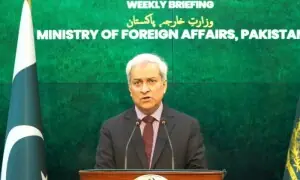
"While we appreciate the report’s efforts to document the human rights violations in Indian occupied Jammu and Kashmir, we would like to reiterate that there is simply no parallel between the horrendous human rights situation in [IOK] and the prevailing environment in Azad Jammu and Kashmir and Gilgit-Baltistan," a statement issued by the Foreign Office in Islamabad said.
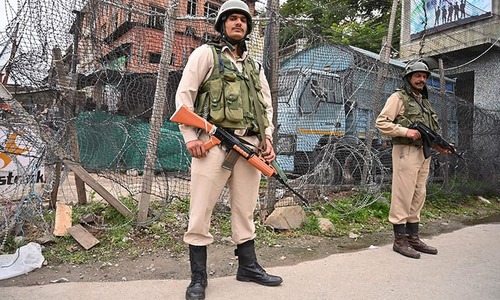
It stressed that unlike IoK, "which is the most militarised zone in the world", AJK and GB remain open to foreign visitors.
Last year, OHCHR had released its first-ever report on Kashmir, documenting wrongdoing by both sides and urging action to reduce long-standing tensions.
Examine: Has UN chief washed his hands of Kashmir dispute?
In a follow-up report released today, the rights office said “neither India nor Pakistan have taken any concrete steps to address the numerous concerns raised”.
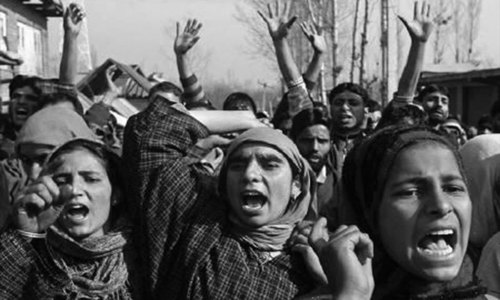
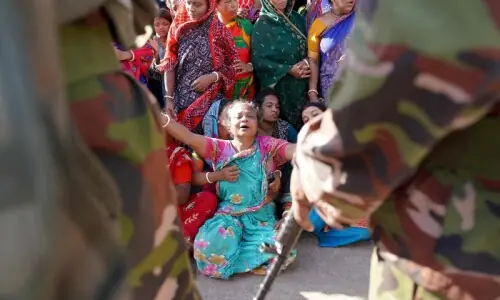
In Indian-occupied Kashmir, "accountability for violations committed by members of the Indian security forces remains virtually non-existent", the report said.
The groundbreaking 2018 findings were particularly hard on India, highlighting “chronic impunity” for misconduct by troops.
Pakistan welcomed the 2018 findings even though the UN said obtaining information about AJK was difficult given restrictions on freedom of expression and information.
“No steps have been taken to resolve the main issues, including a number of highly problematic legal restrictions,” the rights office said on Monday.
'Excessive use of force'
The FO said Pakistan again welcomes the OHCHR’s recommendation for the establishment of a Commission of Inquiry (COI) to investigate the "gross and systematic human rights violations" in IoK.
It noted that the report documents in detail the excessive use of force and torture by the Indian forces in occupied Kashmir, the violence perpetrated on civilians and the impunity from accountability enjoyed by Indian troops under the draconian Armed Forces Special Powers Act (AFSPA) and Public Safety Act (PSA).
"The only solution to the Jammu and Kashmir dispute is to grant the people of IoK the legitimate right to self-determination as recognised by the numerous United Nations Security Council Resolutions, which is essential for the security and stability of South Asia and beyond," the FO statement said.
New probe call
Given the alleged failure of both states to address the issues raised, the updated report calls on the UN Human Rights Council to again consider undertaking “a comprehensive, independent international investigation into allegations of human rights violations in Kashmir”.
The rights office shared the report with both countries last month.
According to the UN, India requested the report not be published and dismissed the findings as “fallacious, tendentious and [politically] motivated” — similar wording to New Delhi's rejection of the 2018 report. Pakistan again “welcomed the report”, the rights office said.