PM's special envoy in Geneva to highlight human rights violations India-held Kashmir


 65
65


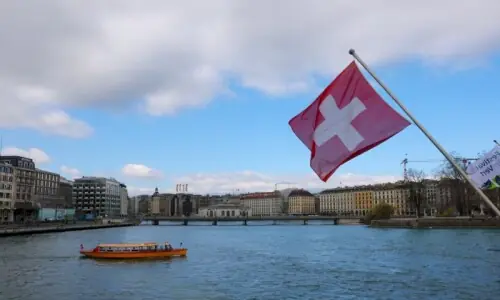
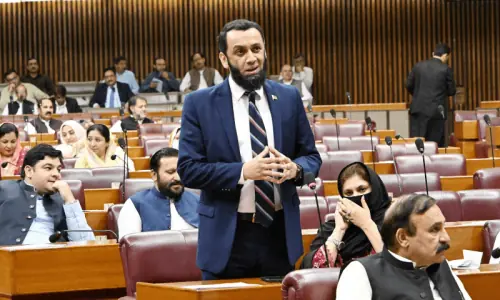
ISLAMABAD: The Prime Minister's Special Envoy on Kashmir Awais Leghari on Wednesday briefed the international community in Geneva on human rights violations by security forces in India-held Kashmir (IHK).
Leghari is one of the 22 members of parliament nominated by Prime Minister Nawaz Sharif last month as special envoys who will lobby for the Kashmir cause in important world capitals.
He met the president of United Nations Human Rights Council (UNHRC) Choi Kyong-lim, president of the International Committee of the Red Cross Peter Maurer and other ambassadors to apprise them about the "atrocities being committed by Indian occupation forces on the defenceless people" of held Kashmir, Foreign Office Spokesman Nafees Zakaria said.
In his meeting with the UNHRC president, Leghari urged the UN to conduct an inquiry into the killings in IHK and uphold the right of Kashmiris to determine their future as per UN Security Council resolutions which call for a free and fair plebiscite in the disputed region.
Leghari, who is the chairman of National Assembly committee on foreign affairs, highlighted the impact pellet gun injuries leading to “dead eyes” phenomenon among Kashmiri protesters and stressed that injured civilians be provided medical treatment.
The envoy referred to the prime minister’s letters addressed to the UN secretary general and the high commissioner for human rights "to stop the grievous brutalities of Indian security forces".
Leghari will continue to meet important dignitaries in Geneva and apprise them of situation in held Kashmir, said the spokesperson.
Read: Human rights violations in held Kashmir not internal Indian matter: OIC
The government has been coming under growing pressure over the level of casualties in the region during protests against Indian rule, which broke out after the death of a popular rebel leader on July 8 during a gunbattle with soldiers.
More than 70 civilians have been killed and thousands injured in the worst violence to hit the territory since 2010.
Authorities lifted a curfew in most parts of the territory late last month, but schools, shops and many banks remain closed while residents struggle with a communications blackout.
Several militant groups have for decades fought Indian soldiers — currently numbering around 500,000 — deployed in the disputed region. They demand independence for the region or its merger with Pakistan.