1
1

ISLAMABAD, July 25: Elections alone cannot bring democracy but transparency and accountability in the governance system can really empower the citizens.
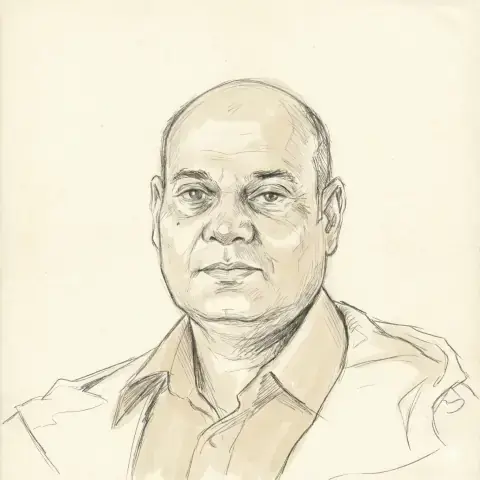
This was stated by Wajahat Habibullah, the chairman of India’s National Commission for Minorities, here on Thursday.
“The best way to empower the people and make the government functionaries accountable is through the right to information,” Mr Habibullah said. The official information can be misused but the long-term benefits of opening up the files to the public are much more effective.
Mr Habibullah was speaking on the impact and lessons of the right to information act in India.
He said not all official information was open to the public: some are classified which are related to strategic interest, foreign relations, sensitive for the economy and internal security.
The event was organised by the Jinnah Institute as part of the Indo-Pak Track II peace process.
Mr Habibullah said even the Indian army was covered under this act. Earlier, the army had serious objections to the act as it did not want to disclose any kind of information.
“But now, the army too is open to queries and has clear distinction between what is secret and what is to be disclosed,” he said. “However, if there is any violation of human rights, that information has to be disclosed.”
Under the law, there are penalties for refusing to give declassified information or giving misleading information.
Mr Habibullah said there was a chief commissioner of information who was powerful enough to direct any department to provide the required information.
“Apart from concealing information, it has been observed that the government departments do not have the required information about many issues. This has actually helped bring a clear picture into the limelight.”
He said a recent study based on official information showed that around 40 per cent of persons picked on charges of terrorism were innocent.
Raza Rumi, the director of Jinnah Institute, said Pakistan had made great headway by making the right to information as a fundamental right in the 18th amendment. At least two provinces have prepared bills soon to be tabled before the local assemblies in this regard.
He added that Pakistan can learn from the experience of India in implementing the right to information law, especially in regard to the challenges and resistance from the bureaucracy.