Conservation sees urial rebounding in Salt Range
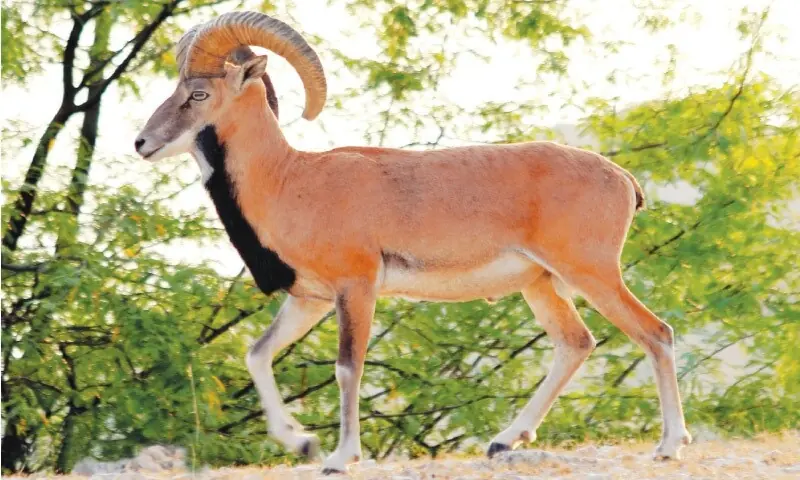
LAHORE: The population of the rare Punjab urial is experiencing a steady resurgence across the rugged Salt Range, with recent sightings of large herds signalling improving stability for the vulnerable wild sheep, officials said.
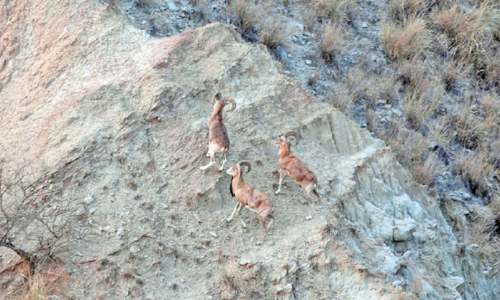
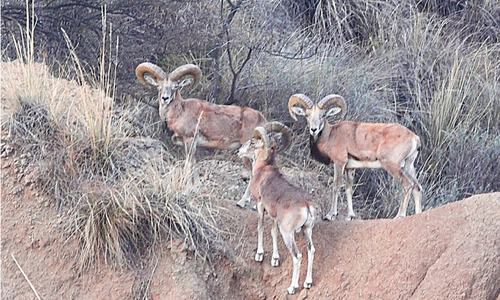
Recent footage captured near the Chakwal motorway shows herds of the wild sheep roaming freely across the mountain ranges without fear or disturbance, an encouraging indicator of improved habitat safety.
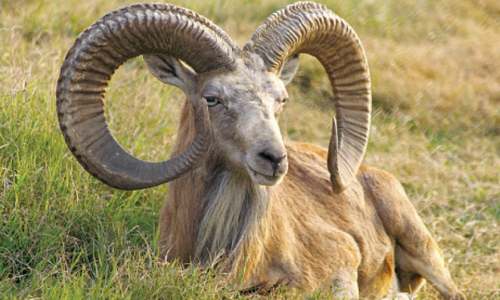
The Punjab urial (Ovis vignei punjabiensis) is known locally as ‘wild sheep’, and has reddish-brown fur that fades in colour during winters.
While six types of urial are found in the broader region — including Bukhara, Balochi, Afghani, Capsini, and Ladakhi — the Punjab urial is exclusively restricted to the Jhelum and Chakwal districts.
This globally unique species relies heavily on the Salt Range, a 300-square-kilometer expanse of rugged mountains and dense scrub forests which encompasses the Jhelum, Chakwal, Khushab and Mianwali districts.
Despite recovering numbers, the animal remains classified as vulnerable on the IUCN Red List and faces threats from habitat fragmentation, livestock competition, and poaching.
The recent population gains follow sustained field protection operations by the Punjab Wildlife and Parks Department. During routine patrols, field staff have observed herds gracefully leaping across the cliffs at Sannapar and Phadial.
“Photographs and videos shared with the directorate headquarters demonstrate that the department’s effective field protection measures in the Salt Range have contributed significantly to the gradual recovery of the Punjab urial population,” Arshad Naz, assistant chief wildlife ranger for Jhelum District, said.
The department estimates that the urial population in the region has almost doubled over the past several years, increasing from approximately 3,700 animals in 2018 to 5,757 in 2022, and further rising to 6,891 in 2023.
With input from APP
Published in Dawn, July 7th, 2026