8
8
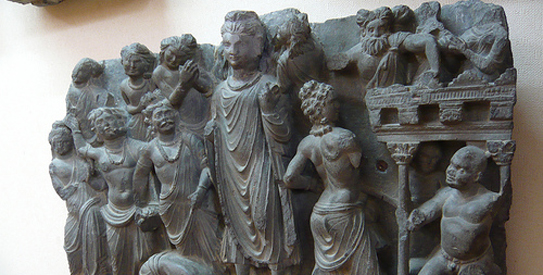
LAHORE: At the behest of UNESCO, the world-famous fine arts auction house Christie’s has halted a planned auction this month of a fasting Buddha, a nearly 2,000-year-old statue from the Gandhara civilisation, which was believed to have been stolen from Pakistan and sold to a private collector in Germany in the 1980s. Pakistani authorities must prove their claim that the sale was illegal if they are to recover this valuable artefact. What will become of this artefact remains to be seen, yet this news evokes realisation of the rich cultural heritage of this country, despite its increasingly tarnished image as a hub of myopia and intolerance.
Located at the crossroads of South Asia, Central Asia, Western Asia and the Arab Gulf region, Pakistan’s rich cultural heritage is in fact both diverse and unique. It’s historical sites range from the ancient urban settlements of Mohenjo-daro from the Indus Valley civilisation of Sindh and the rich Buddhist Ghandara civilisation, to Mughal monuments, shrines of Muslim mystics, Sikh and Hindu temples and colonial period architecture, as well as numerous natural wonders.
However, at present the cultural diversity of Pakistan and its invaluable natural landscapes receive little attention in comparison to the gigantic political, social and economic problems confronting the country. It is also unfortunate that the present international image of Pakistan obscures the cultural heritage of the country, leading to its increased international isolation. In order to reverse such disturbing trends, it is vital to draw attention to its unique cultural heritage and harnesses its potential to promote a more balanced picture of the country.
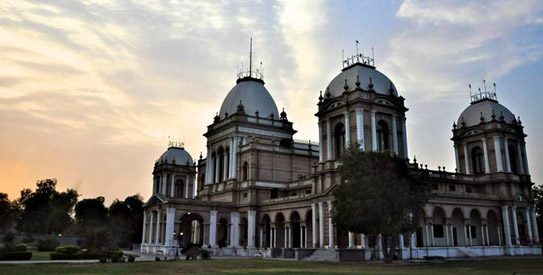
In order to do so, it is necessary for relevant government institutions to make greater efforts to protect and promote the aspirations of the diverse range of ethnic and linguistic groups which reside in Pakistan. Instead of devising top-down bureaucratic interventions, efforts must be made to encourage increased participation of marginalised local communities, including women, in conservation and management of varied national cultural assets, including historical buildings, local literature, folklore and even music. After all, this heritage is a testament to the rich diversity of cultures and religions in this land for centuries.
Pakistan’s Ministry of Culture admits the need to recognise and promote its cultural diversity, including appreciation and respect for the multitude of cultures that have been a part of Pakistan’s history. However, its low priority and the lack of sufficient resource allocation to realise this goal has resulted in rather ad hoc attempts to promote cultural heritage, mostly in the form of renovation or preservation of a very limited number of historical sites, such as the 17th century Shalimar Gardens built by the Mughal emperor Shah Jahan or the 16th century Lahore Fort built by the Mughal emperor Akbar. There is an absence of practical measures for protection, conservation and maintenance of numerous other heritage sites strewn across Pakistan.
Last year, a Quaid-i-Azam University survey documented 450 heritage sites in Islamabad and Rawalpindi alone which are in desperate need of protection and preservation. These sites included Buddhist settlements, ancient caves, rock shelters and temples. Preservation and promotion of traditional skills and crafts, music and literature is under similar threat due to lack of suitable conservation policies and financial support.
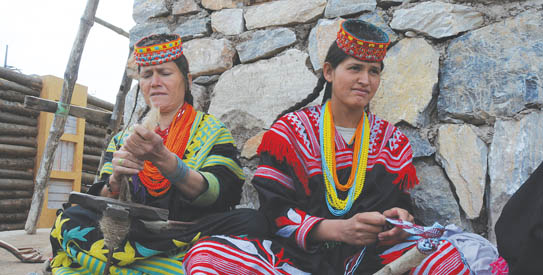
Pakistan’s natural heritage is similarly being subjected to the onslaught of population pressures and commercial exploitation. While the government has taken some steps to protect the environment by creating Environmental Protection Agencies at the federal and provincial levels, these entities continue to struggle with a host of resource and capacity deficiencies due to which they remain ineffective in halting the threat of encroachment, deforestation and pollution of Pakistan’s irreplaceable natural heritage.
Cultural tourism perhaps offers the best means to promote cultural assets, while at the same time deriving economic benefits out of them. There are ample international examples from Southeast Asia, and parts of Africa and South America indicating how cultural and ecological sites can be preserved through adoption of sustainable tourism plans. Although there is huge dormant potential for tourism in Pakistan, growing insecurity in the country must be tackled first.
While tourists cannot be compelled to visit Pakistan, policymakers can begin making concerted efforts to promote cultural heritage strategies which can help overcome the damaging trends of internal disparity and divisiveness. Ultimately, a more holistic view of Pakistan’s cultural heritage based on tolerance, inclusiveness and harmony-in-diversity – as one important factor beside other requirements of maintaining law and order and good governance – will not only lead to internal stability, but in turn stimulate the potential for tourism in the country.
Syed Mohammad Ali is a freelance columnist and consultant, also conducting doctoral research on land rights in Pakistan.
Source: Common Ground News Service
[nggallery id=1685]