Final paperwork eludes Iran, US
• Pezeshkian says supreme leader will make final decision, insists no plan for nuclear bomb
• Rubio expects ‘good news’ soon; Trump says ‘time is on their side’, tells his team ‘not to rush into deal’
• Iranian media reports suggest disagreements persist on ‘two to three’ clauses
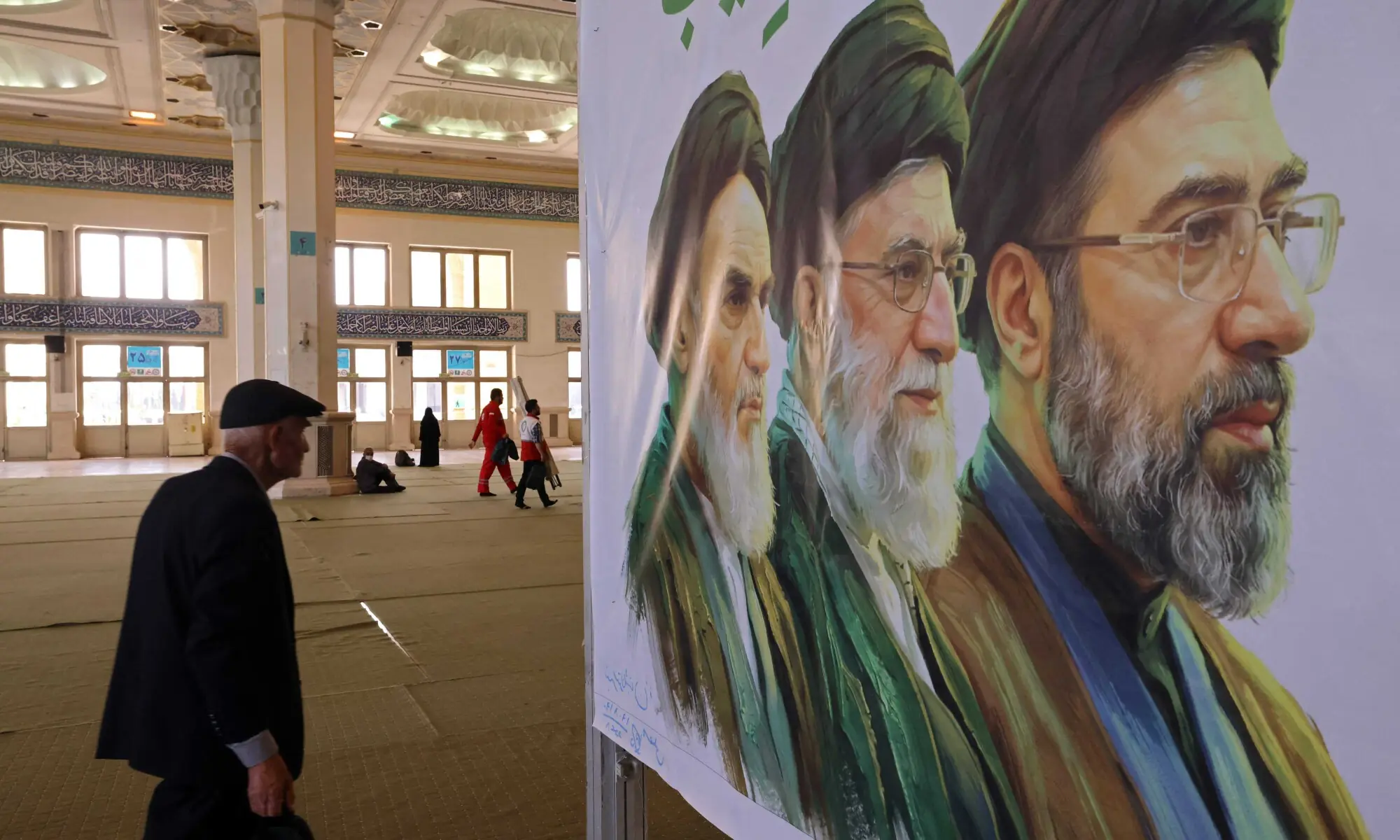
TEHRAN/WASHINGTON: Amid reports that both sides are close to reaching an agreement to end the war, Iranian President Masoud Pezeshkian said a final decision to sign an agreement with the US will be made by Supreme Leader Mojtaba Khamenei.
Meanwhile, US President Donald Trump insisted that time was on their side and that the negotiations with Tehran were underway in an “orderly and constructive manner”.
The remarks by both men came as global leaders hailed progress made towards reaching a peace deal in light of reports that an agreement between the two was “largely negotiated”.
On Sunday, President Pezeshkian said that no decision will be made without the permission of Mr Khamenei, who was injured at the start of the war and has remained underground since then.
“No decision in the country will be made outside the framework of the Supreme National Security Council and without the permission of the Supreme Leader. The administration of the country requires a single decision and collective obedience,” he was quoted as saying by the Iranian media.
A senior Iranian source earlier told Reuters that if Iran’s Supreme National Security Council approved the memorandum, it would be sent to Supreme Leader Ayatollah Mojtaba Khamenei for final approval.
The US president, meanwhile, said that he had informed his team “not to rush into a deal” as time remained on their side. “The blockade will remain in full force and effect until an agreement is reached, certified, and signed. Both sides must take their time and get it right. There can be no mistakes!”
He said that the relationship between Iran and the US was becoming “professional and productive” but Tehran could not acquire nuclear weapons at any cost. He also claimed that his deal would yield better results than the 2015 deal the Obama administration had signed with Iran.
Mr Pezeshkian reiterated that Tehran was not seeking nuclear weapons. “We are ready to reassure the world that we are not seeking nuclear weapons,” he said, adding that Tehran would not compromise on its honour and dignity in the talks with the US.
Delay in signing
As delays mar the signing of an agreement, Iranian media reported that disagreement on “two or three clauses” still persisted. A source in Iran with knowledge of the deal told Iran’s Tasnim news agency that if the US continues creating obstacles, there will be “no possibility of finalising the memorandum of understanding”.
Reuters also reported that Tehran had not agreed to hand over its highly enriched uranium stockpile, saying it was not part of the initial agreement.
“The nuclear issue will be addressed in negotiations for a final agreement and is therefore not part of the current deal. There has been no agreement over Iran’s highly enriched uranium stockpile to be shipped out of the country,” it reported. Axios, an American news website, quoting a senior US official, claimed that the Iran deal could take days to finalise.
Earlier, US Secretary of State Marco Rubio appeared hopeful for the announcement of a deal on Sunday, but by the time this paper went to press, such an agreement eluded the negotiators. “I do think perhaps there is the possibility that in the next few hours the world will get some good news,” he told reporters in New Delhi.
The agreement would also start a “process that can ultimately leave us where the president wants us to be, and that is a world that no longer has to fear or worry about an Iranian nuclear weapon”, he added. “Some progress has been made in the past 48 hours on an outline that could resolve the Strait of Hormuz situation,” he said, adding that more work was needed.
Later, he told The New York Times that an agreement with Iran had garnered regional support, but a nuclear deal couldn’t be achieved “in 72 hours on the back of a napkin”.
A day earlier, Iranian Foreign Ministry spokesperson Esmail Baghaei said on Saturday that “the trend this week has been towards a reduction in disputes, but there are still issues that need to be discussed through mediators”.
Mr Baghaei said the issue of the US blockade on Iran’s shipping was important, but that its priority was ending the threat of new US attacks and the parallel conflict in Lebanon.
A potential MoU between Iran and the United States includes an end of the war on all fronts, with Washington waiving sanctions on Iran oil during negotiations, Iran’s semi-official Tasnim news agency reported.
Iran has not yet accepted any actions on its nuclear programme, Tasnim added, saying the potential agreement allocates a 30-day period for procedures related to the Strait of Hormuz and a 60-day period for nuclear talks.
Published in Dawn, May 25th, 2026