India voices concern on US visas but sees alignment with Rubio


 3
3
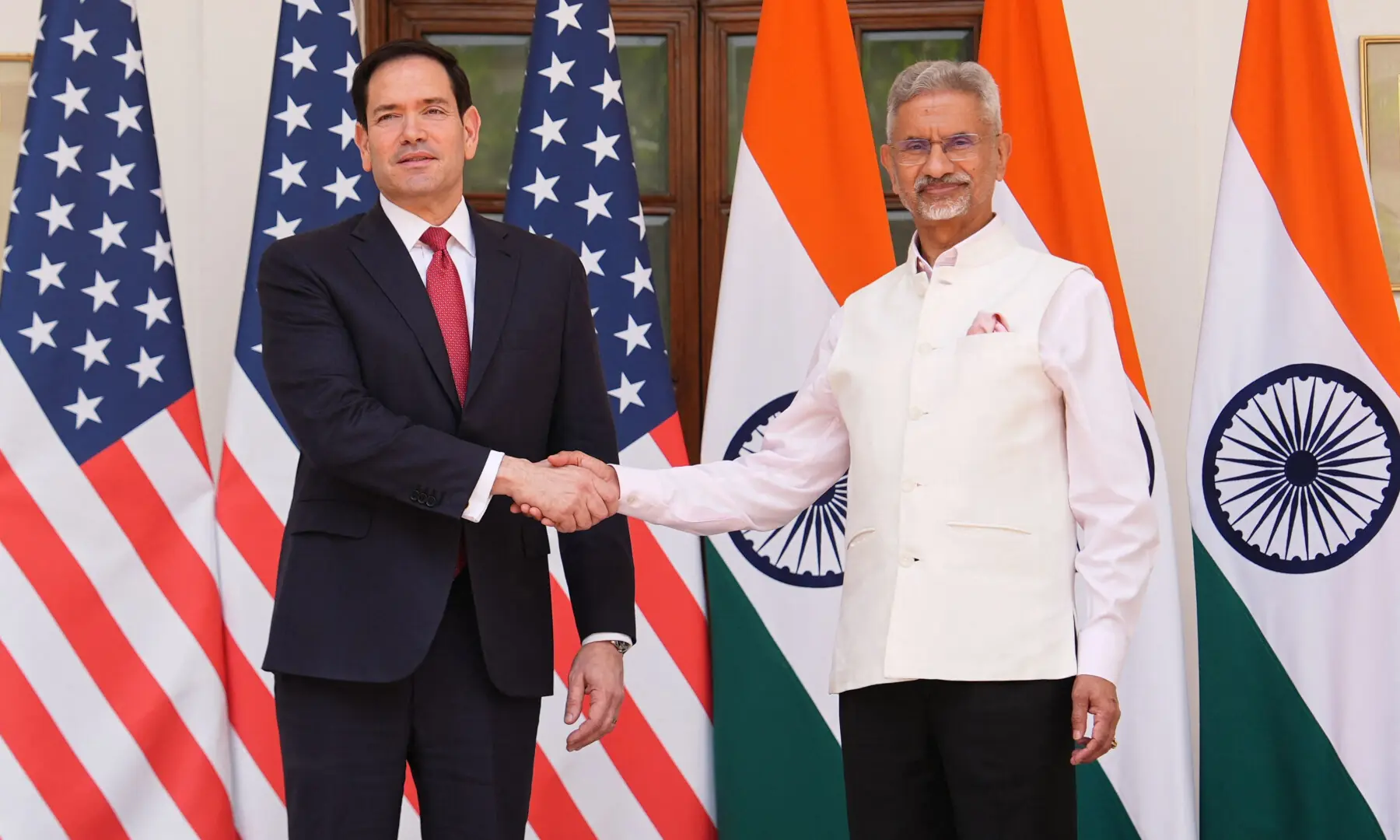
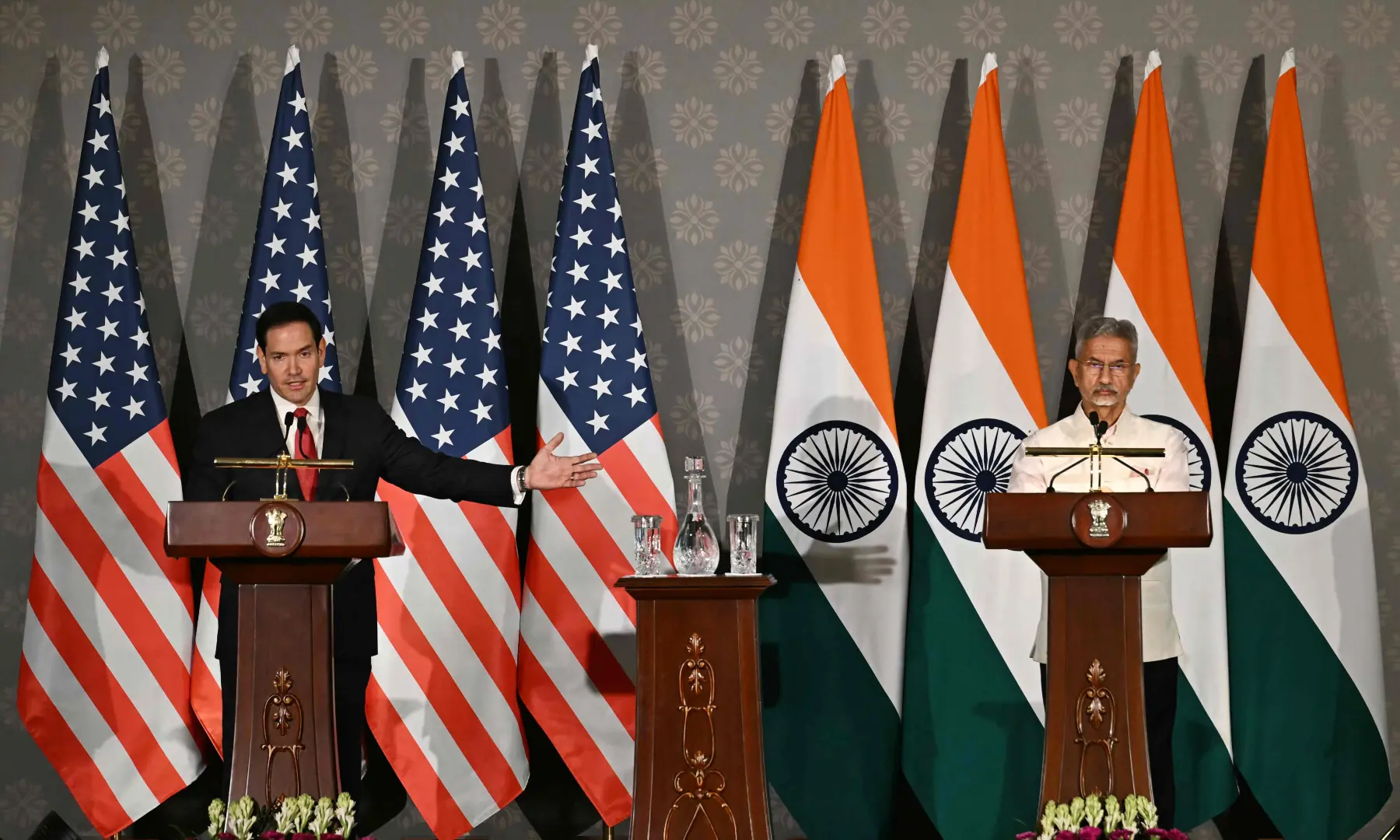

India voiced concern on Sunday over a US visa crackdown, striking a rare critical note even as it expressed broad alignment with Secretary of State Marco Rubio on other fractious issues.
Paying his first visit to India, Rubio said the two democracies were on the same page on all major issues, brushing aside recent unease in New Delhi over trade, China and the Iran war.
India’s foreign minister Subrahmanyam Jaishankar agreed that the two countries had a “convergence of national interests in many areas” but publicly took Rubio to task over US President Donald Trump’s assault on visas.
Jaishankar said he “apprised Secretary Rubio of challenges that legitimate travellers face in respect of visa issuance”.
“While we cooperate to deal with illegal and irregular mobility, our expectation is that legal mobility should not be adversely impacted as a consequence,” he said, noting that visas were key for US-India tech cooperation.
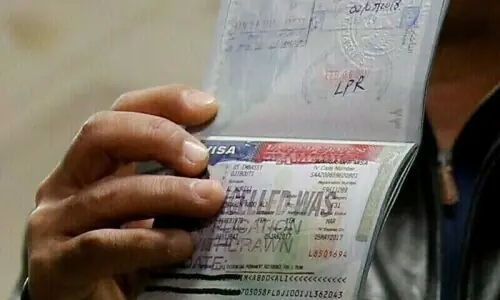
Trump, who has made curbing non-Western immigration a key political priority, has ramped up restrictions and fees for H-1B visas used largely by Indian tech workers, sending applications tumbling.
The Trump administration followed up on Friday by saying that applicants for permanent residency, even when in the United States legally, must leave for processing, likely splitting up many families for extended periods.
Trump has been influenced by nativist critics who say Indian workers take away skilled jobs from Americans who would have earned more.
Last month, Trump reposted a far-right commentator who described India as a “hellhole” and inaccurately alleged that Indian immigrants lack English proficiency.
Asked about racist remarks in the United States about Indians, Rubio said, “every country in the world has stupid people”.
“Our nation has been enriched by people who come to our country,” said Rubio, the son of Cuban immigrants.
He said the immigration reforms were “not India-specific” but in response to a “migratory crisis” in the United States.
Aligned on ‘all’ issues
Rubio, who is paying an unusually long four-day, four-city trip to India, called the country “one of our most important strategic partners in the world”.
“It begins with the fact of our shared values. We are the two largest democracies,” Rubio said.
“Our nations are strategically aligned on all of the key issues that will define the new century — all the great challenges that are before us now in the modern era,” he said.
The New York Times reported that when Rubio was asked about ties between Washington and Islamabad, he said, “I don’t view our relation with any country in the world as coming at the expense of our strategic alliance with India.”
Such statements of US-India partnership would have raised few eyebrows over the past two decades as Washington put a top priority on building ties with the billion-plus nation, seeing it as a natural counterweight to a rising China.
But Trump abruptly shook up core assumptions of US foreign policy. He temporarily imposed punishing tariffs on India, held a friendly visit last week to China and has hailed India’s historic adversary Pakistan, which has positioned itself as the key mediator on the Iran war.
Pakistan has also heaped praise on Trump over his diplomacy in a short conflict last year with India, which launched unprovoked strikes following the Pahalgam attack in India-occupied Kashmir.
Indian Prime Minister Narendra Modi annoyed Trump by refusing to credit him with ending the war.
Asked if India objected to Pakistan’s newfound role as a mediator, Jaishankar said it was for the United States to decide its partners, and acknowledged that differences will emerge between the two countries.
“The Trump administration has been very forthright in putting forward its foreign policy outlook as America First,” Jaishankar said.
“We have a view of India First,” he said.