Pakistan co-leads Borrowers’ Platform
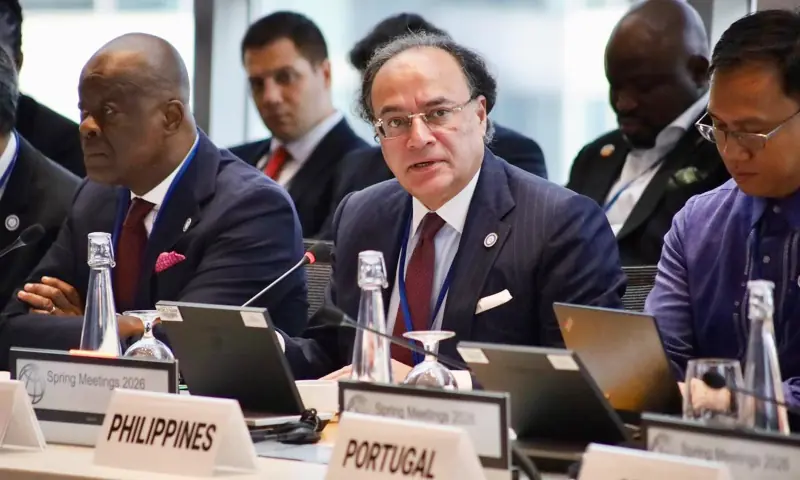
WASHINGTON: Pakistan on Wednesday joined other developing countries to launch the interim phase of a new Borrowers’ Platform to strengthen debt sustainability, transparency and peer learning among borrowing nations.
The platform was formally launched at a meeting of finance ministers and central bank governors, with Pakistan and Egypt co-chairing the working group that developed the initiative.
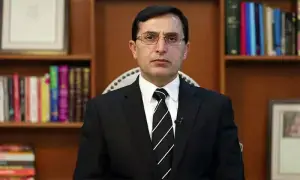
Speaking at the launch event, Finance Minister Muhammad Aurangzeb said developing countries had for decades faced recurring debt sustainability challenges rooted not only in domestic circumstances but also in “structural weaknesses of the global financial architecture”.
“General sentiment is that existing lending mechanisms remain largely creditor-driven and insufficiently responsive to borrowers’ unique requirements,” he said.
Developing nations unite on debt transparency and steps to counter creditor-driven lending mechanisms
The minister noted that tighter global financial conditions had widened the financing divide, with borrowing costs in developing countries often double those in advanced economies. This disparity, he said, diverts investment flows and places additional strain on already fragile economies.
Championed by UN Secretary-General António Guterres, the member-state-led initiative will serve as a platform for knowledge-sharing and improving negotiating positions, acting as a counterpart to creditor-focused mechanisms.
The UN Trade and Development (UNCTAD) will serve as the platform’s secretariat, while Pakistan and Egypt will jointly lead the initiative during its interim phase.
The launch comes amid mounting debt pressures across the developing world. External debt in these countries reached $11.7 trillion in 2024. A total of 54 countries, home to 3.4 billion people, now spend more on debt servicing than on health or education.
The platform seeks to address gaps in the international financial system, where developing countries remain underrepresented even as coordination among creditors has expanded.
Mr Aurangzeb said the forum would engage international financial institutions, bilateral creditors, rating agencies, regulators, academia and civil society to strengthen capacity and enhance transparency, thereby sending positive signals to markets. He added that building a working relationship with the Paris Club and other creditor groups would be beneficial in achieving shared objectives.
He also appreciated Egypt’s leadership in assuming the interim chair and said Pakistan looked forward to the first Governing Council meeting in Thailand in October.
“Together, let us amplify borrower voices, invite other eligible countries, share expertise through the steering committee platform, and build stronger foundations for a sustainable future,” he said.
Interim phase roadmap
Under the agreed roadmap, the interim phase will run from April to October 2026, culminating in the first Governing Council meeting on the sidelines of the IMF-World Bank annual meetings in Bangkok.
During this period, participating countries will establish an Interim Steering Committee, nominate focal points from their finance ministries, and finalise the platform’s operational modalities through a consultative process.
The draft framework presented at the launch will be reviewed by the Interim Steering Committee and by permanent missions in New York and Geneva before being finalised in October.
The interim work plan includes organising pioneering peer-learning workshops, with the first technical session scheduled for June, as well as additional virtual and in-person exchanges.
Interested countries may formalise their membership during this phase, while the interim leadership will prepare for the first Governing Council meeting, including the election of a chair and adoption of the work programme for the 2026-27 cycle.
The platform and its secretariat will also continue advocacy efforts to broaden participation and engage external stakeholders, including civil society, academia, intergovernmental organisations and creditor groups. Efforts are underway to secure financing to operationalise the initiative.
Published in Dawn, April 16th, 2026