China to provide aid to Middle East nations amid war in Iran, Lebanon


 0
0
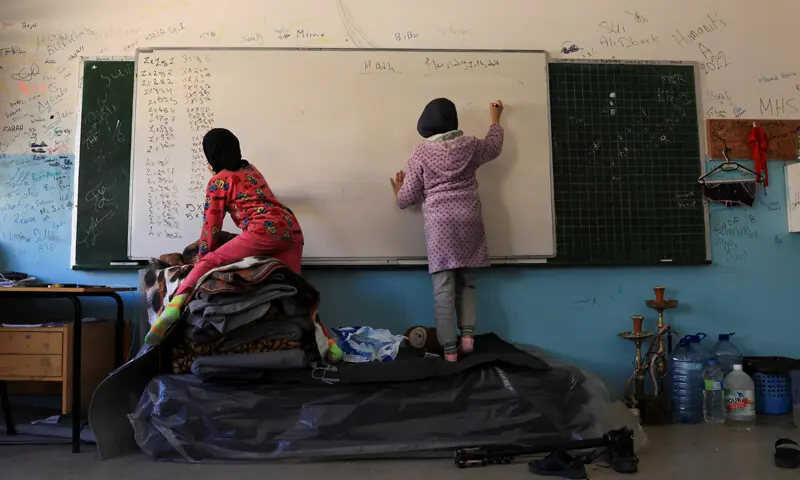
BEIJING: China said on Tuesday it will provide humanitarian assistance to Middle Eastern countries, including Iran and Lebanon, targeted in the US and Israeli strikes in the conflict, which is now in its third week.
China’s foreign ministry spokesman Lin Jian said the war had caused “grave humanitarian catastrophes” in Iran and other Middle Eastern nations.
“China has decided to provide emergency humanitarian assistance to Iran, Jordan, Lebanon and Iraq. It is hoped this will help alleviate the humanitarian plight faced by the local populations,” Lin told a press conference, without providing further details.
“China will continue to make every effort to promote peace and stop the war … and to prevent further spreading of the humanitarian crisis,” he added.
Over 45m more people to fall into acute food insecurity if the conflict does not end by June, WFP warns
China has sought to mediate in the war, with its special envoy to the Middle East, Zhai Jun, urging de-escalation when he recently met Saudi Arabia’s foreign minister for talks.
China’s top diplomat, Wang Yi, has also said that the war “should never have happened” and called for an end to fighting.
Food insecurity
A new analysis by the World Food Programme (WFP) of the United Nations estimates that almost 45 million more people could fall into acute food insecurity or worse if the Middle East conflict does not end by mid-2026, and if oil prices remain above $100 a barrel.
These would add to the 318 million people around the world who are already food insecure, WFP warned on Tuesday. WFP further warned that the total number of people around the world facing acute levels of hunger could reach record numbers in 2026 if the escalation in the Middle East continues to destabilize the world’s economy.
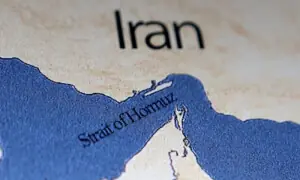
The virtual shipping standstill in the Strait of Hormuz and mounting risks to Red Sea maritime traffic are already increasing energy, fuel, and fertilizer costs, deepening hunger beyond the Middle East. The conflict reverberates far and wide — and the world’s most vulnerable people are the ones who will be most exposed to its ripple effects.
According to WFP’s analysis, countries in sub-Saharan Africa and Asia are the most vulnerable due to a reliance on food and fuel imports. Projections indicate an increase of 21 percent in food-insecure people for West and Central Africa and 17 percent for East and Southern Africa. An increase of 24 percent is forecast for Asia.
“If this conflict continues, it will send shockwaves across the globe, and families who already cannot afford their next meal will be hit the hardest,” said WFP Deputy Executive Director and Chief Operating Officer Carl Skau.
This crisis comes amid severe funding shortfalls for WFP which has forced significant prioritisation of programmes across all continents, ultimately meaning that people in need of assistance are being left behind. Further increases in food insecurity that are not matched by increased resources could spell catastrophe for some of the world’s most vulnerable countries that are already at risk of famine.
While in 2026 the conflict involves a global energy hub and not a breadbasket region, the potential impact is similar because energy and food markets are tightly correlated. In many parts of the world, vulnerable families who today are currently managing to put some food on the table may soon find they are only able to afford little or no food, WFP says.
With input from AFP
Published in Dawn, March 18th, 2026