0
0
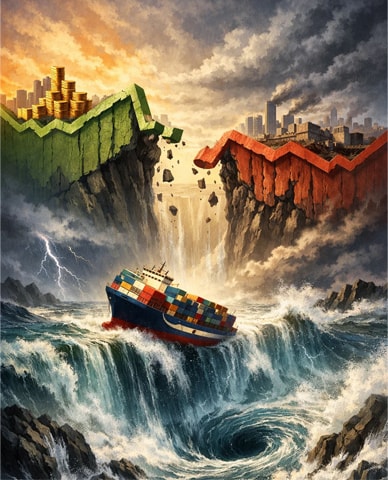
THE recent data released by the Pakistan Bureau of Statistics (PBS) reveals a deeply troubling picture regarding the nation’s external trade performance, which demands immediate attention of our policymakers. According to the figures, Pakistan’s merchandise exports plummeted by 20.41 per cent in December 2025 compared to the preceding year, falling to $2.317 billion. This is not merely a seasonal fluctuation; it marks the fifth consecutive month of decline in the current fiscal year.
As a result of this downward trajectory and a concurrent surge in imports, which rose by 13.49pc in December alone to reach $6.02 billion, the trade gap has widened by nearly 35pc to $19.20 billion in the first half of FY2025-26. While some official quarters appear unalarmed, the reality for our export-based industries is stark.
Our exporters are losing their competitive edge not due to a lack of skill or capacity, but because the domestic cost of doing business has become unsustainable.
Nowhere is this more evident than in the energy sector. The textile industry, which remains our dominant export contributor, is currently grappling with electricity tariffs averaging 12 cents per unit. In contrast, our regional rivals operate at 7-8 cents, giving them a clearly decisive advantage in the global market. This disparity, combined with escalating LNG prices for captive power plants, has contributed to a 9pc drop in textile exports and a staggering 35-40pc plunge in food exports for the month of December.
Furthermore, the trade deficit with nine neighbouring countries, including China and Afghanistan, has surged by over 44pc, reflecting persistent regional pressures and structural bottlenecks. To reverse these trends, we must look beyond press declarations, and commit to deep structural reforms.
As highlighted in some recent reports, the path to recovery must include the full implementation of the National Tariff Policy to rationalise duties on raw materials and the swift operationalisation of the Exim Bank of Pakistan in order to provide necessary trade finance.
Without a consistent, export-led growth policy and immediate relief regarding energy pricing, Pakistan risks a permanent loss of market share, and a recurring balance-of-payments crisis. It is high time Pakistan prioritised the competitiveness of its manufacturing sector so as to target long-term macroeconomic stabilisation.
Syed Ejaz Muzaffar
Karachi
Published in Dawn, March 14th, 2026