• Plan’s success depends on effective implementation by provinces
• Women, exports, climate resilience central to the new policy
ISLAMABAD: The Ministry of Industries and Production has finalised a three-year business plan for the small and medium enterprises (SME) sector, aimed at boosting productivity, exports and women’s participation, though its effectiveness will largely hinge on provincial implementation.
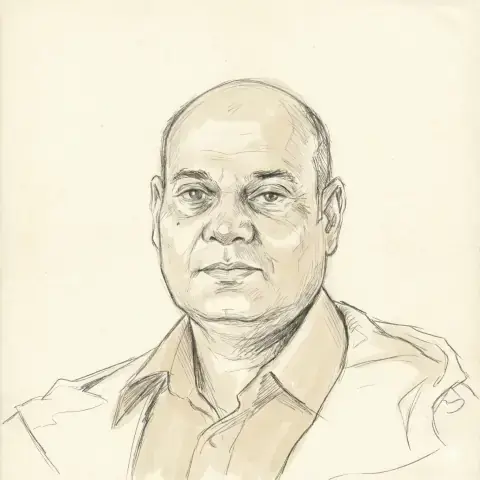
The plan, finalised during a meeting chaired by PM’s special assistant (SAPM) Haroon Akhtar Khan on Monday, will be presented to the prime minister in the coming days for approval and implementation at the national level.
The meeting, attended by officials of the Small and Medium Enterprises Development Authority (Smeda) and international consultancy firm A.T. Kearney, reviewed the plan and noted that longstanding challenges, including limited access to credit, climate change impacts and low productivity, will be addressed on a priority basis under the plan. The business plan also includes special provisions to encourage and support women’s participation in SMEs.
The SAPM informed the meeting that despite challenges, 100 per cent implementation of the SME business plan would be ensured.
However, implementation risks include timely funding, donor coordination and institutional capacity, particularly at the regional level, as most regulations governing SMEs fall under the domain of the provinces.
Several initiatives also remain contingent on approvals by the SME Steering Committee and the availability of external financing. As part of efforts to strengthen the SME sector, the process to appoint a permanent head of Smeda is in its final stages, and the authority’s head office is being shifted from Lahore to Islamabad.
According to Smeda projections, successful implementation of the plan could raise the SME contribution to GDP to Rs50.9 trillion within three years and increase SME-based exports to over $3 billion by 2028.
A key pillar of the policy includes expansion of the SME Registry to onboard 50,000 additional enterprises, creation of a one-window regulatory interface and development of an SME e-commerce portal.
The document also proposes preferential public procurement policies to raise SME participation in government contracts to up to 30 per cent, along with implementation of the SME policy focusing on competitiveness, productivity and regulatory simplification. Smeda estimates that more than 300,000 women entrepreneurs could be engaged through various programmes by 2028, though most initiatives remain subject to donor funding and policy approvals.
On the domestic front, Smeda plans to introduce a subcontracting law, establish national B2B matchmaking platforms and launch cluster-based development programmes to link micro and small enterprises with large manufacturers and anchor firms. Sector-specific initiatives include red chilli processing in Sindh, agro-processing clusters in Punjab, Khyber Pakhtunkhwa, Balochistan and Gilgit-Baltistan, and SME-led horticulture value chains.
In line with emerging trade and compliance requirements, the roadmap also includes a climate resilience pillar, featuring sustainability accelerators, green financing instruments, climate vulnerability mapping and women-led climate innovation challenges.
Published in Dawn, December 30th, 2025