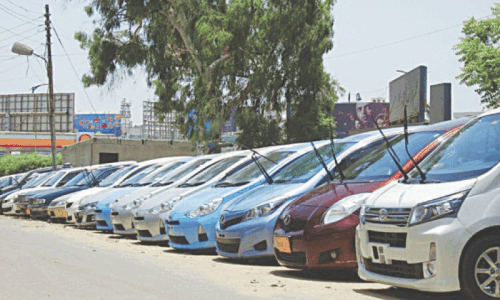
KARACHI: The Institute of Cost and Management Accountants of Pakistan (ICMA) has said the government’s decision to allow commercial import of used cars up to five years old may bring short-term fiscal gains through an initial 40 per cent regulatory duty (RD) and offer consumers more choice.
However, the policy raises concerns about foreign exchange reserves, balance of payments, and the long-term prospects of the local automotive industry.
ICMA’s Research and Publication Department noted Pakistan’s auto sector has long been shielded by high tariffs and regulatory barriers, enabling local assemblers to dominate with limited pressure to improve quality or affordability. Previous liberalisation efforts in the 2000s provided temporary relief but met strong resistance from the industry, highlighting the sector’s sensitivity to policy shifts. The recent Economic Coordination Committee (ECC) decision marks a notable change that could reshape industry dynamics, consumer behaviour, and trade flows.
In the short term, vehicle prices are unlikely to fall significantly. The 40pc RD, combined with exchange rate volatility and importer premiums, will keep landed costs high. However, consumer expectations are shifting, with many delaying purchases in anticipation of more affordable, better-quality imports. Imported used cars often feature safety and efficiency enhancements, such as airbags, ABS, hybrid engines, and improved fuel economy, which may raise standards and prompt local manufacturers to enhance their products.
As duties are reduced by 10 percent annually, imported vehicles will become more competitive. By FY28, when duties drop to 20pc, affordability should improve, especially for middle-income households. This will widen consumer choice, particularly in the small and mid-sized passenger car segments that dominate the market. Popular Japanese models, such as the Toyota Vitz, Honda Fit, and Suzuki Swift, are expected to challenge domestic alternatives directly.
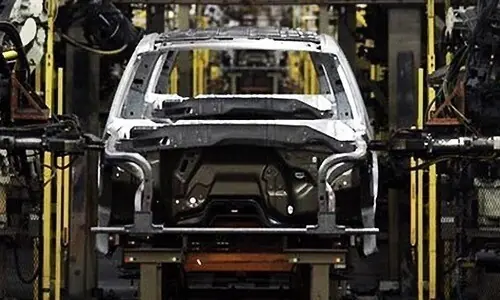
This competition may prompt local assemblers to modernise production lines, improve safety standards, and introduce fuel-efficient technologies. By FY30, when duties are fully removed, the market will face global-level competition. Assemblers unable to adapt risk losing market share or exiting the industry, which could potentially lead to consolidation.
ICMA warns new auto policy boosts consumer choices but strains local industry
ICMA also identifies opportunities for stronger players that invest in technology, pursue international partnerships, and focus on hybrid or electric vehicles. These firms could become more competitive and better integrated into global value chains. Consumer preferences may shift away from resale value toward quality, safety, and efficiency.
However, the sector supports an extensive network of vendors and SMEs supplying parts such as seats, batteries, tyres, and engines. A decline in local production will strain these suppliers, many of whom may struggle to meet demand. Vendors that diversify into aftermarket support or invest in parts for electric and hybrid vehicles may find new opportunities. Employment risks exist in assembly plants and supplier networks, although new roles may emerge in areas such as certification, inspection, logistics, and after-sales services related to imports.
Despite broader choice and gradual affordability gains, ICMA warns the policy will not immediately benefit lower-income groups, as prices remain high. Increased import volumes may also add pressure on foreign exchange reserves and the balance of payments, offsetting some fiscal gains from regulatory duties.
While the ECC decision may provide short-term consumer relief and boost government revenue, ICMA says it presents long-term challenges for local assemblers, parts suppliers, and macroeconomic stability.
The institute calls for a balanced policy that safeguards external accounts, supports industry modernisation, and ensures lasting consumer benefits.
Published in Dawn, October 4th, 2025