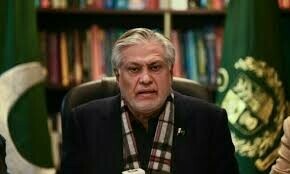
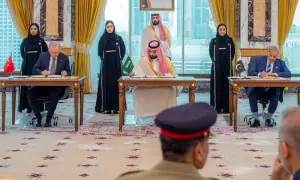
Deputy Prime Minister and Foreign Minister Ishaq Dar is set to visit Dhaka on August 23 amid a rapid progress and warming in bilateral relations between Pakistan and Bangladesh.
The two countries were once one nation but split following a bloody civil war, which saw the territory previously referred to as ‘East Pakistan’ seceding to form the independent nation of Bangladesh. In the years since the split between Pakistan and Bangladesh, Dhaka’s leaders — especially the ousted regime of Sheikh Hasina — stayed firmly in the Indian camp, preferring to maintain close ties with New Delhi and keeping Islamabad at arm’s length.
However, ever since a popular uprising that saw Hasina’s government toppled in August of last year, with the deposed premier fleeing to her old ally India, there has been a thaw in ties between the two capitals, with trade and bilateral relations seeing a marked improvement.
Dar was previously due to visit Bangladesh in April. Questioned today (Tuesday) by Dawn.com about reports of his visit to Bangladesh on Aug 23, he confirmed: “Yes”.
Bangladesh’s leading news agency Dhaka Tribune had reported the same last week, adding that Dar was due on Aug 23 to “discuss ways to strengthen coordination with Bangladesh”.
The report had said that FM Dar would have a meeting with Bangladesh Foreign Affairs Adviser Md Touhid Hossain on Aug 24, in addition to his other engagements.
Last month, Pakistan and Bangladesh agreed to grant visa-free entry to holders of diplomatic and official passports from the other side.
The deal in principle, marking a breakthrough in bilateral relations between the two states, was reached during a meeting between Interior Minister Mohsin Naqvi and Bangladesh’s Home Minister Jahangir Alam Chowdhury.
Foreign Secretary Amna Baloch had visited Dhaka in April for Foreign Office Consultations after a 15-year break in diplomatic engagement with Bangladesh.
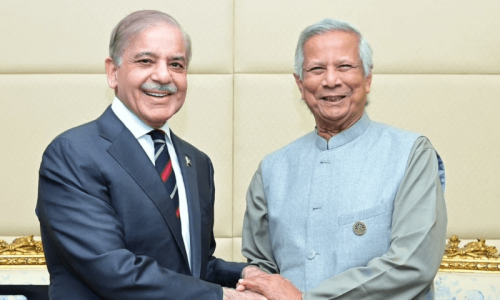
Prime Minister Shehbaz Sharif held a telephone conversation with Bangladesh’s interim leader Muhammad Yunus in March where the two leaders reaffirmed their shared desire to further strengthen bilateral relations.
In February, both countries started direct government-to-government trade after decades of troubled relations with imports of 50,000 tonnes of rice.
In January, the militaries of Pakistan and Bangladesh had stressed the need for the “enduring partnership” between the two countries to “remain resilient against external influences”.
Direct private trade between the countries restarted in November 2024 when a container ship sailed from Karachi to Chittagong. It was the first cargo ship in decades to sail directly between the countries.
During a meeting with PM Shehbaz on the sidelines of the D-8 summit of developing nations in Cairo in December, Yunus had expressed the desire to resolve outstanding grievances from Dhaka’s 1971 separation from Islamabad.
“The issues have kept coming again and again. Let’s settle those issues for us to move forward,” the AFP news agency had quoted Yunus as telling PM Shehbaz, according to a statement from the former’s office.