0
0
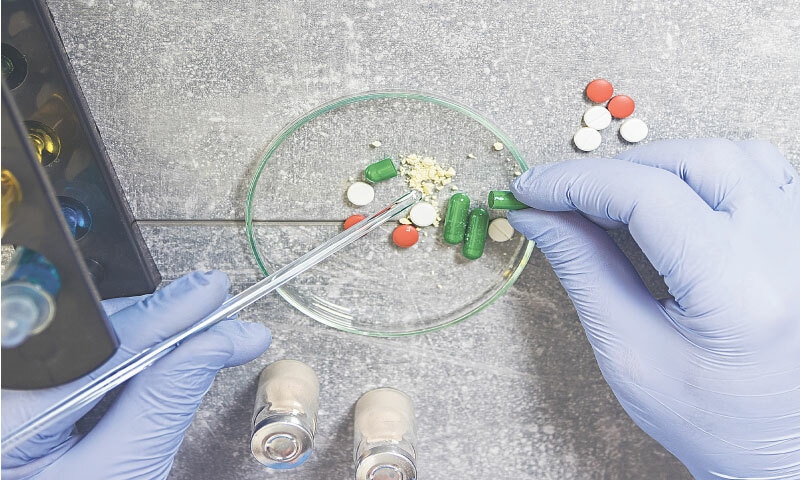
The first three months of this year witnessed three high-value drug seizures in Karachi involving the drug tramadol, a synthetic opioid painkiller.
In each instance, the highly addictive painkiller was meant for illegal export to West African countries — including Nigeria, Ghana, Sierra Leone and Cote D’Ivoire — where it is fuelling an opioid epidemic. It has also gained notoriety in recent times as the “fighter drug”, after reports that it was used by militants associated with Boko Haram and ISIS to stay awake for long hours.
The drug, also prescribed by health practitioners to wean addicts off heroin, is often misused — through recreational and habitual use — in formulations of doses higher than 100 milligrams (mg), particularly the 225mg and 250mg variants. These high-dosage tablets are in high demand across parts of Africa, where civil conflict, piracy, drug trafficking and limited access to painkillers have created parallel black economies.
According to estimates, a single 250mg tablet sells for up to Rs450 on the international black market. In Pakistan’s underground distribution networks, a strip of 10 can be purchased for Rs360, making it a lucrative market for manufacturers, the majority of which are based in India. But after a spate of controversies, including over the drug’s misuse around the globe and its linkages to extremist outfits, India added tramadol to the list of psychotropic substances in 2018, increasing restrictions on manufacture and export.
From Indian factories to African black markets, unlicensed and illegal consignments of tramadol have found a transit point in Karachi. But even as seizures spike, Pakistan is struggling to shut down this deadly pipeline…
A MASSIVE SUPPLY CHAIN
Around the same time, Pakistan witnessed an increase in import — and export — of tramadol. Pakistan Customs data reveals that, between January 2024 and January 2025, Pakistan imported over 141,000 kilogrammes of raw tramadol — raising red flags, given that local demand is nowhere near this quantity.
Investigators at the Drug Regulatory Authority of Pakistan (DRAP) believe that much of this imported raw material is used for the manufacture of unlicensed drugs, which are then illegally exported to African countries.
This explains the seizures — said to be worth Rs13 billion or roughly $50 million with a much higher street value — each unveiling layers of pharmaceutical companies, freight handlers and alleged shell corporations involved in this multi-million-dollar illicit trade.
In the first raid, in January of this year, which led to seizure of tramadol worth Rs2.5 billion, the shipment was stored in a warehouse, with invoices traced back to a pharmaceutical company that later disavowed the documents as fake.
Just a month later, in February, law enforcement raided a rented warehouse in the Korangi Industrial Area and seized tramadol valued at Rs10 billion. The owners of two of the companies named in the case — International Business Line and Marvi Pharma — have since secured interim bail.
The decision by DRAP to revoke export approvals of the high-dose variants of tramadol came a little over a month after a “rapid alert” issued by the same authority, over the availability of unlicensed and illegal samples of tramadol being sold in the local market, including without any details of manufacturers.
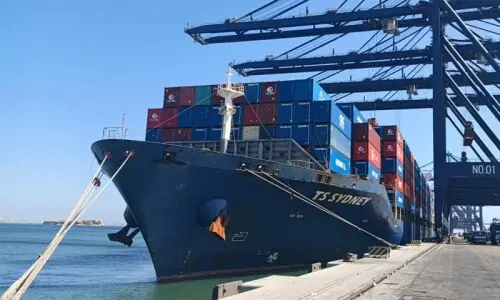
In the most recent operation in March, authorities intercepted a container at Port Qasim, declared as containing “toluene” — a chemical solvent — but which contained tramadol destined for Sierra Leone. The booking was made by a company registered in Parachinar, Khyber Pakhtunkhwa. The consignment was processed via the “Green Channel” — allowing it to bypass Customs checks — and authorities have since issued warrants for the clearing agents involved as well as the company owner.
At the same time, there has been a massive uptick in the number of seizures of illegal drug consignments by authorities across Africa. Between 2019 and 2023, Africa accounted for 57 percent of all pharmaceutical opioids seized globally, largely attributed to tramadol, according to the United Nations Office on Drugs and Crime’s (UNODC) World Drug Report 2025. A large number of these shipments originate from South Asia.
A BELATED CRACKDOWN
In April this year, DRAP revoked all export approvals for 225mg and 250mg formulations of tramadol. Officials in DRAP say the decision was influenced by discussions with Nigerian health authorities and representatives of the International Narcotics Control Board, which identified Pakistan as a major source of high-strength tramadol formulations.
The decision also follows on the heels of revelations regarding the use of fake embassy letterheads and unverified ‘no objection certificates’ (NOCs) in recent seizures, which has drawn attention from global anti-narcotic bodies. If proven, these could result in trade restrictions, reputational damage, and stricter scrutiny on Pakistan’s pharmaceutical exports.
The decision to revoke export approvals of the high-dose variants came a little over a month after a “rapid alert” issued by the same authority, over the availability of unlicensed and illegal samples of tramadol being sold in the local market, including without any details of manufacturers. It identified seven different products — tablets of TramaKing 225mg, New Tramadol 225mg, TramaKing 250mg, New Royal 225mg, Tamral 250mg and Tramaking Mega 225mg, and TramaKing 250mg capsule.
But these are belated decisions, considering that, in 2022, multiple African governments, including Nigeria, banned 250mg tramadol tablets, due to their rampant misuse.
In spite of such decisions, tramadol continues to find its way into Pakistan, either as raw material or in packaged form, for export. Some of the seized drugs during the February raid — over 22 million tramadol 225 mg tablets — by customs authorities in Karachi bore markings of Indian-origin manufacturers, while others were mis-declared as vaccines.
Also in February, an Indian pharmaceutical company, M/s Lucent Drugs Pvt Limited, faced legal action at home for re-exporting tramadol worth over $600,000 to Pakistan through Malaysia and Denmark.
The tramadol trafficking network operating from Pakistan is a symptom of regulatory breakdown, collusion and systemic abuse of pharmaceutical loopholes. With billions in narcotics passing through under official channels — and connections stretching from Karachi to Africa — the case demands swift and transparent prosecution, tighter import-export regulation and a revamp of how pharmaceutical warehousing and shipping are monitored.
As the legal net tightens around key players, questions linger about how deeply embedded this network has become — and whether Pakistani authorities are willing or able to dismantle it completely.
Adil Jawad is an investigative journalist based in Karachi. X: @Adil_Jawad
Hussain Dada is a member of staff.
X: @hussainydada
Published in Dawn, EOS, July 20th, 2025