THE geopolitical struggle that began in the early 19th century continues to date. Though it is not the same as it was at the time of its inception, its effect is somehow similar, shattering every corner of the world. Analysts believe Pakistan is at the core of the modern Great Game owing to its strategic location and other factors that usually shape the interests of global powers.
Originally, the term Great Game was used to indicate the rivalry between the British and Russian empires over Central Asia. Today, the rivalry has transformed into a multifaceted conflict involving not only historical powers, but also the likes of the United States and China.
As an important partner in the Belt and Road Initiative (BRI), particularly the China-Pakistan Economic Corridor (CPEC), Pakistan has enhanced its geopolitical relevance. Its ties with the US and China make it a crucial player in maintaining regional stability.
International relations theories, like realism, constructivism and idealism, also prove its cardinal status as well. Realism unearths Pakistan’s pursuit of power in response to India’s rising influence in South Asia to stave off any perceived threat.
Neo-realism signifies Pakistan’s alignment with China as a counterbalance to regional adversaries. Constructivism puts emphasis on Islamic ideology and a diverse culture shaping its foreign policy and interactions with global powers. Collectively, such theories position Pakistan as an amalgamation of oppor-tunities in terms of leveraging diplomatic success among the powers. But this significance is subject to moralism, which dictates that the country should not be exploited in a way that it becomes the bone of contention itself.
The challenges that Pakistan is facing, such as economic growth, illiteracy, unemployment and internal security threats, create an intricate foreign policy landscape. By strengthening trade relations with Southeast Asia, and leveraging its central position in the BRI, Pakistan can stimulate economic growth and attract foreign investment.
To navigate the complexities of the modern Great Game, Pakistan must adopt a multifaceted approach. Diversifying its foreign relations would reduce over- reliance on any single ally. Implementing economic reforms to attract foreign inve-stment and reduce dependence on external aid is equally crucial.
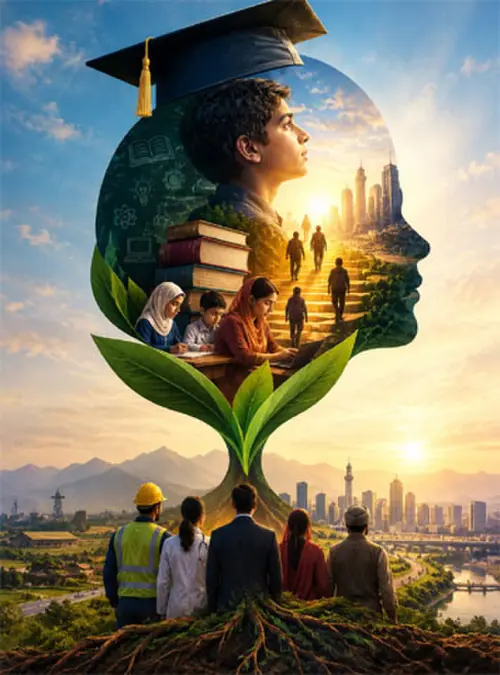
Strengthening regional ties through trade agreements and collaborative security initiatives can further enhance Pakistan’s standing. Investing in human capital, particularly education and healthcare, would empower the population and drive innovation. Finally, addressing internal security challenges through comprehensive counter-terrorism strategies is vital for ensuring national stability. Pakistan’s role in the evolving geopolitical landscape is both a challenge and an opportunity.
By adopting a balanced and proactive approach, Pakistan can assert its sovereignty, secure its interests, and emerge as one of the key players in the ongoing global struggle for influence.
Syed Muhammad Ali Naqvi
Mandi Bahauddin
Published in Dawn, February 21st, 2025