UN condemns Taliban ban on Afghan women working at NGOs


UN human rights chief Volker Turk said on Tuesday that Afghanistan’s governing Taliban authorities must reverse their ban on Afghan women working for NGOs.
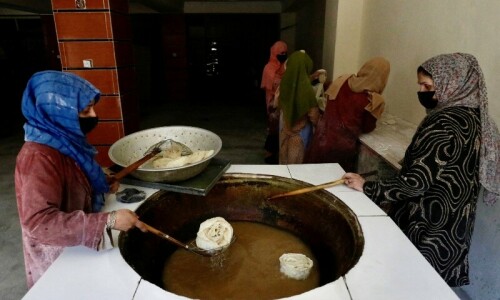
Since the Taliban’s return to power in August 2021, women have been progressively erased from public spaces, prompting the United Nations to denounce the “gender apartheid” the administration has established.
“I am deeply alarmed at the recent announcement by the de facto authorities in Afghanistan that non-governmental organisations’ licenses will be revoked if they continue to employ Afghan women. This is absolutely the wrong path being taken,” Turk said in a statement.
He said that in a letter dated Thursday, the Taliban’s economy ministry ordered national and international NGOs to comply with a decree issued two years ago that bars them from employing Afghan women.
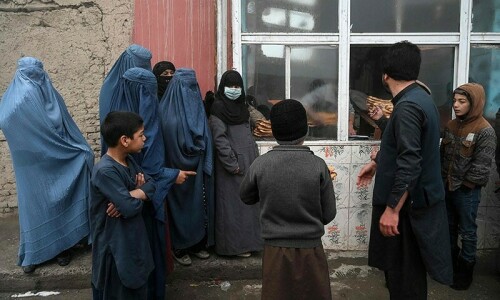
“The humanitarian situation in Afghanistan remains dire, with more than half the population living in poverty. NGOs play a vital role in providing critical life-saving assistance — to Afghan women, men, girls and boys — and this measure will directly impact the ability of the population to receive humanitarian aid,” said Turk.
“I once again urge the de facto authorities in Afghanistan to revoke this deeply discriminatory decree and all other measures which seek to eradicate women and girls’ access to education, work and public services, including healthcare, and that restrict their freedom of movement.
“No country can progress — politically, economically or socially — while excluding half of its population from public life.
“For the future of Afghanistan, the de facto authorities must change course.”
Taliban authorities have banned post-primary education for girls and women, restricted employment and blocked access to parks and other public places.
A recent law prohibits women from singing or reciting poetry in public under the Taliban government’s ultra-strict application of Islamic law. It also encourages them to “veil” their voices and bodies outside the home.
Some local radio and television stations have also stopped broadcasting female voices.
The Taliban administration claims that Islamic law “guarantees” the rights of Afghan men and women.