War shuts classroom door on 52 million children, aid group says
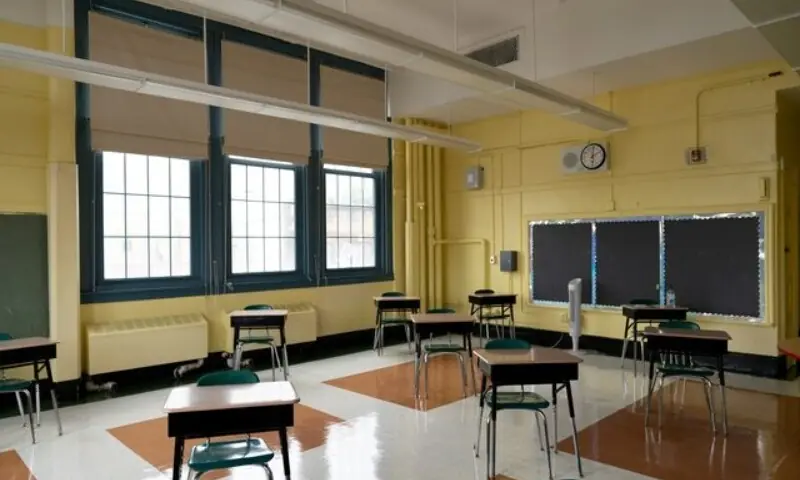

• Bombings damage schools, force closures or shelter use
• Ripple effect felt across a dozen nations, from Palestine to Pakistan
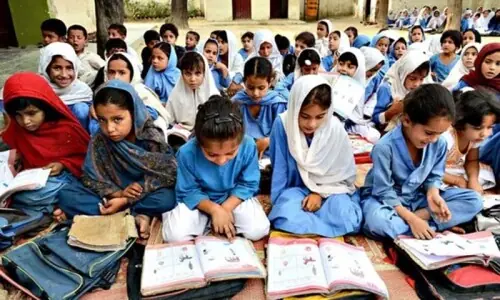
ISLAMABAD: At least 52 million school-aged children have had their education disrupted by school closures or a shift to online learning as violence in the Middle East and wider region entered its second week, the aid group Save the Children said.
The child rights organisation said its calculation, based on UN population data for children ages 5-17, showed the widespread impact on education as schools were damaged, closed or repurposed as shelters.
The affected countries include Bahrain, Iran, Iraq, Israel, Jordan, Kuwait, Lebanon, Oman, Qatar, Saudi Arabia, the State of Palestine and the United Arab Emirates.
Across the region, home to at least 100 million children, schools have been destroyed or damaged, including 65 in Iran that were destroyed by air strikes, according to the Iranian Red Crescent Society.
As of early March, schools and universities in the United Arab Emirates, Qatar and Bahrain have also shifted to distance learning due to security concerns.
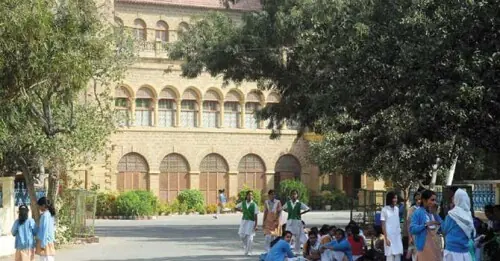
In Pakistan, schools have been asked to close for the next two weeks to help conserve fuel, though exams will continue as scheduled, according to the Ministry of Federal Education and Professional Training.
“In every conflict, classrooms are usually the first to close and some of the last places to reopen,” said Ahmad Alhendawi, Save the Children’s Regional Director for the Middle East, North Africa and Eastern Europe. “Every missed lesson deepens the scars of war.”
Alhendawi stressed that schools should be safe havens for children.
“Schools are protected sites and attacks on them could amount to grave breaches of international humanitarian law. The laws of war must be respected,” he said.
The disruption to education creates risks for students that go beyond academic performance, another official said.
“This conflict directly impacts not only students’ academic performance but their protection and ability to cope with increasing risks and instability,” said Marian Hodgkin, Global Head of Education at Save the Children.Save the Children said it is responding across the region to keep children safe and learning even when formal schools are closed. The organisation’s plans include delivering “Education in Emergencies” activities to help protect children and support their well-being.
Published in Dawn, March 17th, 2026