India plans to ease rice export curbs to retain market share against Pakistan


 0
0

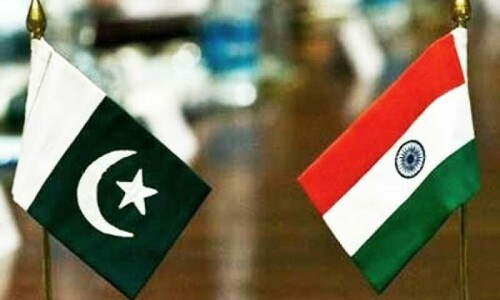
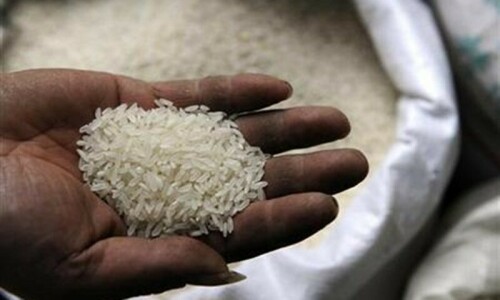
India is likely to cut the floor price for basmati rice exports and replace the 20 per cent export tax on parboiled rice with a fixed duty on overseas shipments, Indian government sources said Thursday, in an apparent move to help India retain its market share against Pakistan.
The world’s biggest rice exporter imposed various curbs on exports in 2023 and continued them in 2024 to keep local prices in check ahead of the general elections held in April-May.
New Delhi is expected to lower the basmati rice’s minimum export price (MEP) to $800-$850 a metric ton, down from $950 a ton, to boost shipments, said the sources, who didn’t wish to be identified as they are not authorised to talk to media.
Lowering the MEP would help India retain its market share against Pakistan, which exported a record amount of rice this year due to New Delhi’s export curbs.
India and Pakistan are the leading exporters of basmati rice. New Delhi exports more than 4 million metric tons of basmati — the premium long-grain variety famed for its aroma — to countries such as Iran, Iraq, Yemen, Saudi Arabia, the United Arab Emirates and the United States.
New Delhi is also expected to drop the 20 per cent export tax on parboiled rice and introduce a minimum export tax to stop under-invoicing of shipments, the sources said.
The government was examining possibilities of easing rice export curb, including resuming white rice exports, Reuters reported last month.
Worried over expectations of lower output due to the El Nino weather pattern, India banned overseas shipments of non-basmati white rice varieties in July 2023 and imposed curbs on other grades.
“With rice supplies significantly exceeding local demand, it’s crucial to reduce stockpiles to prevent spoilage. The most effective solution is to lift export restrictions,” said B.V. Krishna Rao, president of the Rice Exporters Association (REA).
The country’s rice stocks at state warehouses have jumped to 48.51 million metric tons as of July 1, the highest ever for the month and nearly 19 per cent more than last year, according to the Food Corporation of India.
New Delhi would also review the export ban on non-basmati white rice after assessing the progress of rice planting, the sources said.
Farmers have so far planted 11.6 million hectares with rice paddy during the current planting, up 20.7 per cent on the same period last year.