0
0
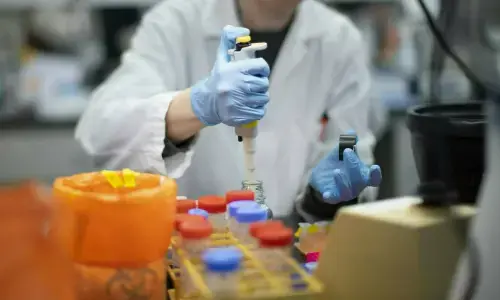
THE news report that medical waste generated at the Pakistan Institute of Medical Sciences ends up in Islamabad’s ‘black market’ for reuse is not only disturbing but also a symptom of a much bigger problem in a country where infectious diseases are rampant. The report that appeared in this paper on Tuesday informs us that a vendor hired by PIMS to incinerate the medical waste on hospital premises has been involved in the sale of infectious material, such as discarded syringes and blood bags, with the help of the hospital staff. According to the World Health Organisation, 15pc of the waste generated by hospitals and other healthcare facilities is hazardous, and can be infectious, toxic and even radioactive. The remaining 85pc is considered non-hazardous. In a country like Pakistan, however, where laws and administrative controls pertaining to healthcare are weak, there is always the danger of unscrupulous elements trying to make a quick buck by recycling hazardous material for sale in the black market. Very few healthcare providers here follow the international medical practice of segregating hospital waste at source and disposing of it properly. This carelessness has been put down to high costs, ignorance and a general apathy towards patient welfare. The effect has been disastrous. For instance, the reuse of contaminated syringes is believed to have contributed significantly to the spread of blood-borne diseases such as hepatitis C across the country — no surprise, given that large sections of our population have evinced a preference for ‘injections’ over regular medication, which doctors readily administer.
Hospitals are not the only place where medical waste is generated. Diagnostic laboratories, animal hospitals, blood banks and collection service centres, too, produce tonnes of medical refuse every day. Unfortunately, incinerators are in short supply, not only in the smaller towns and villages but also in major cities such as Lahore, Karachi and the capital itself. The proper management of healthcare waste, especially hazardous material, is crucial for preventing an adverse impact on health and the environment. But that cannot be ensured without an appropriate and effective legal framework for medical waste management in accordance with international best practices as well as trained human resource. Such a framework should include regular monitoring by the health authorities to ensure that all medical units in the country are complying with the rules of medical waste disposal.
Published in Dawn, March 1st, 2023