Key aid group says Afghanistan’s most pressing need is cash


 1
1

DUBAI: Afghanistan is facing a looming humanitarian crisis as aid organisations struggle with ways to pay doctors, nurses and others on the ground because there is currently no way to transfer salaries to bank accounts there, the head of the International Committee of the Red Cross said.
ICRC President Peter Maurer’s comments echo those of the UN’s special representative for Afghanistan, who warned this week that the country is on the brink of a humanitarian catastrophe and that its collapsing economy is heightening the risk of extremism. The country’s economy is estimated to have contracted by 40 per cent since the Taliban took control in August.
The country is on brink of a humanitarian catastrophe
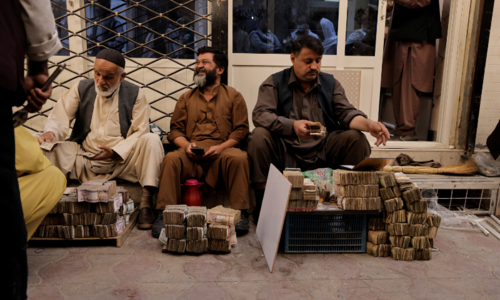
The Geneva-based ICRC, which has operated in Afghanistan for over 30 years, is temporarily carrying in bags of cash to the impoverished nation and converting dollars into the local currency, the afghani, in order to pay some of its staffers. The ICRC has been able to do this with regulatory approval by the US Treasury Department’s Office of Foreign Assets Control. The ICRC also has an agreement with the Taliban-run Health Ministry that allows donor-funded payments to pass through the ICRC and bypass the Taliban, who have yet to be officially recognized by any nation.
“The main problem in Afghanistan is not hunger. The main problem is the lack of cash to pay salaries to deliver social services which have existed before,” Maurer told The Associated Press in an interview Thursday during a visit to Dubai.
“Let’s not forget that most of these medical doctors, nurses, operators of water systems and electricity systems are still the same people. It is the leadership which has changed, but not these people,” he added.
Afghanistan’s aid-reliant economy was thrown into deep turmoil following the Taliban takeover of the capital, Kabul, in August and the collapse of the US-backed Afghan government just weeks before the US withdrew its last troops.
The Taliban leadership, which recently banned all foreign currency transactions, has urged the US Congress to ease sanctions and release Afghanistan’s overseas assets in order for the government to be able to pay teachers, doctors and other public sector employees. After the Taliban takeover, the US froze nearly $9.5 billion in assets belonging to the Afghan Central Bank and stopped shipments of cash.
Since the Taliban’s ascension to power this past summer, it’s not been possible for international aid organizations to wire transfer payments to accounts in Afghanistan as currently international currency cannot be changed into local currency by a network of banks in the country.
Maurer said humanitarian organisations cannot fix an implosion of a whole country. He said what’s needed is an agreement on a sufficient injection of liquidity something he believes is possible without formally recognizing the Taliban.
Published in Dawn, November 20th, 2021