France bans use of hydroxychloroquine to treat Covid-19



The French government on Wednesday cancelled a decree allowing hospital doctors to administer hydroxychloroquine as a treatment to patients suffering severe forms of Covid-19, the illness caused by the new coronavirus.
The announcement comes two days after the World Health Organisation said it was pausing a large trial of the malaria drug due to safety concerns.
British medical journal The Lancet has reported that patients getting hydroxychloroquine had increased death rates and irregular heartbeats, adding to a series of other disappointing results for the drug as a way to treat Covid-19.
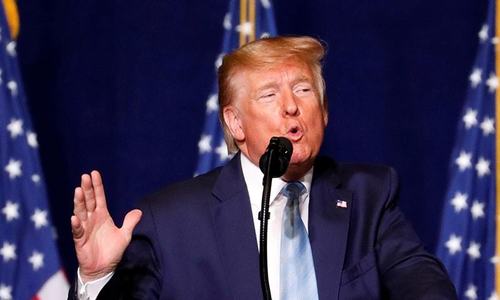
US President Donald Trump and others have pushed hydroxychloroquine in recent months as a possible coronavirus treatment.
France decided at the end of March to allow the use of hydroxychloroquine in specific situations and in hospitals only.
No vaccine or treatment has yet been approved to treat Covid-19 which has killed more than 350,000 people globally.
The WHO "has implemented a temporary pause ... while the safety data is reviewed", its chief Tedros Adhanom Ghebreyesus said on Monday, referring to the hydroxychloroquine arm of a global trial of various possible treatments.
Trump announced last week he was taking the drug, explaining he had decided to take after receiving letters from a doctor and other people advocating it.
"I think it's good. I've heard a lot of good stories," Trump told reporters then, as he declared it safe.
Trump dismissed the opinions then of his own government's experts who had warned of the serious risks associated with hydroxychloroquine, with the Food and Drug Administration highlighting reported poisonings and heart problems.