0
0

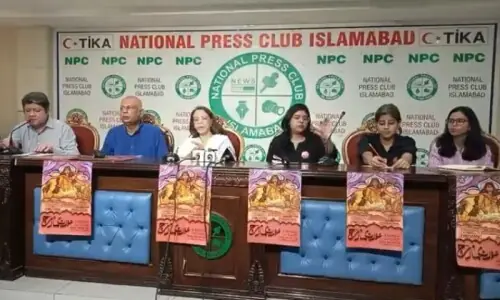
THE book launch of Khushwant Singh’s Train to Pakistan was ostensibly a regular book launch on paper. However, in actuality, it turned out to be a great deal more than that as the conversation swayed from a discussion on Singh to the intricacies of the time when this great divide in South Asia shook the very foundations of Hindus and Muslims.
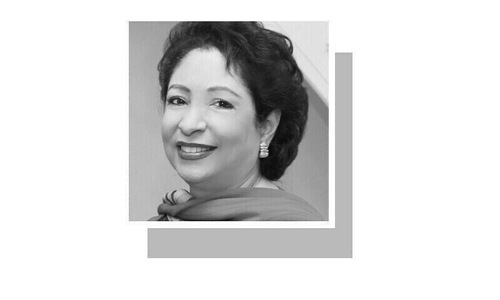
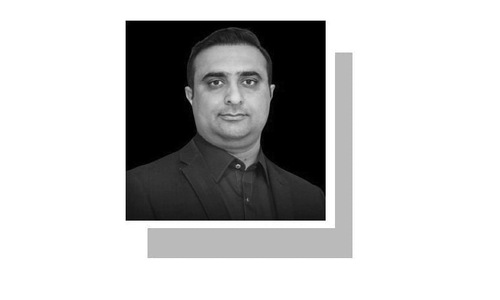
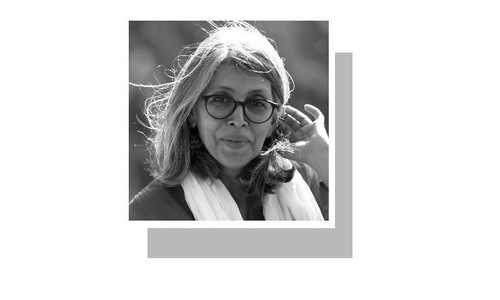
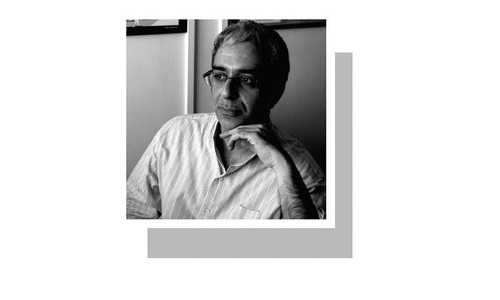
The moderator of the session was Babar Ayaz, who is himself a renowned journalist, while the panellists were Barbara Metcalf, Naz Ikramullah, Maniza Naqvi and Asif Noorani who collectively hold immense experience and knowledge in the fields of history and journalism.
Ayaz introduced the esteemed speakers and informed the audience about the book whose first edition was published back in 1956. He briefly explained that the novel is still very much relevant as it advocates tolerance and refutes communalism which is a major demand of our present times. It also brings forth Singh’s agnostic beliefs that term religion as nothing more than a baseless ritual.
Metcalf, who is a professor of history, spoke first. She briefly but accurately described the themes of nostalgia, romanticism, inappropriate fear and paranoia that the novel addresses. She also shared the findings of an academic research paper with the audience that proves Singh’s standpoint that official will can impede, and even stop sectarian violence.
Ikramullah, who followed Metcalf, analysed some of the events that the writer has portrayed in his novel. She expounded how Singh describes horrific tragedies that took place at the time of Partition; as unsettling as certain readers might find it, the tragedies depict a realistic picture of that catastrophic affair. The analysis of a writer’s work is never accurate if one does not take into account the writer’s personality, background and beliefs.
Perhaps this was the reason why Noorani, a veteran journalist and author himself, focused a great deal on Singh’s personality and background when his turn came. He was the only one amongst the speakers who had met Singh in person. He shared many interesting facts and stories about the writer. One of them caught the attention of the audience in particular: he told the listeners about one of his visits to Singh’s home where he saw the Diwan-i-Ghalib and Kulliyat-i-Mir on the table where Singh used to write.
In the closing moments of the session, the last speaker, Naqvi, shared a short story that highlighted the fear, confusion and agony that the migrants experienced while travelling from India to Pakistan. Before the final remarks and questions, the moderator, Ayaz, concluded the session with some of his own poignant experiences conveying messages of promoting peace and harmony.