Mojtaba Khamenei’s appointment as supreme leader draws measured US response, sharp Israeli warning
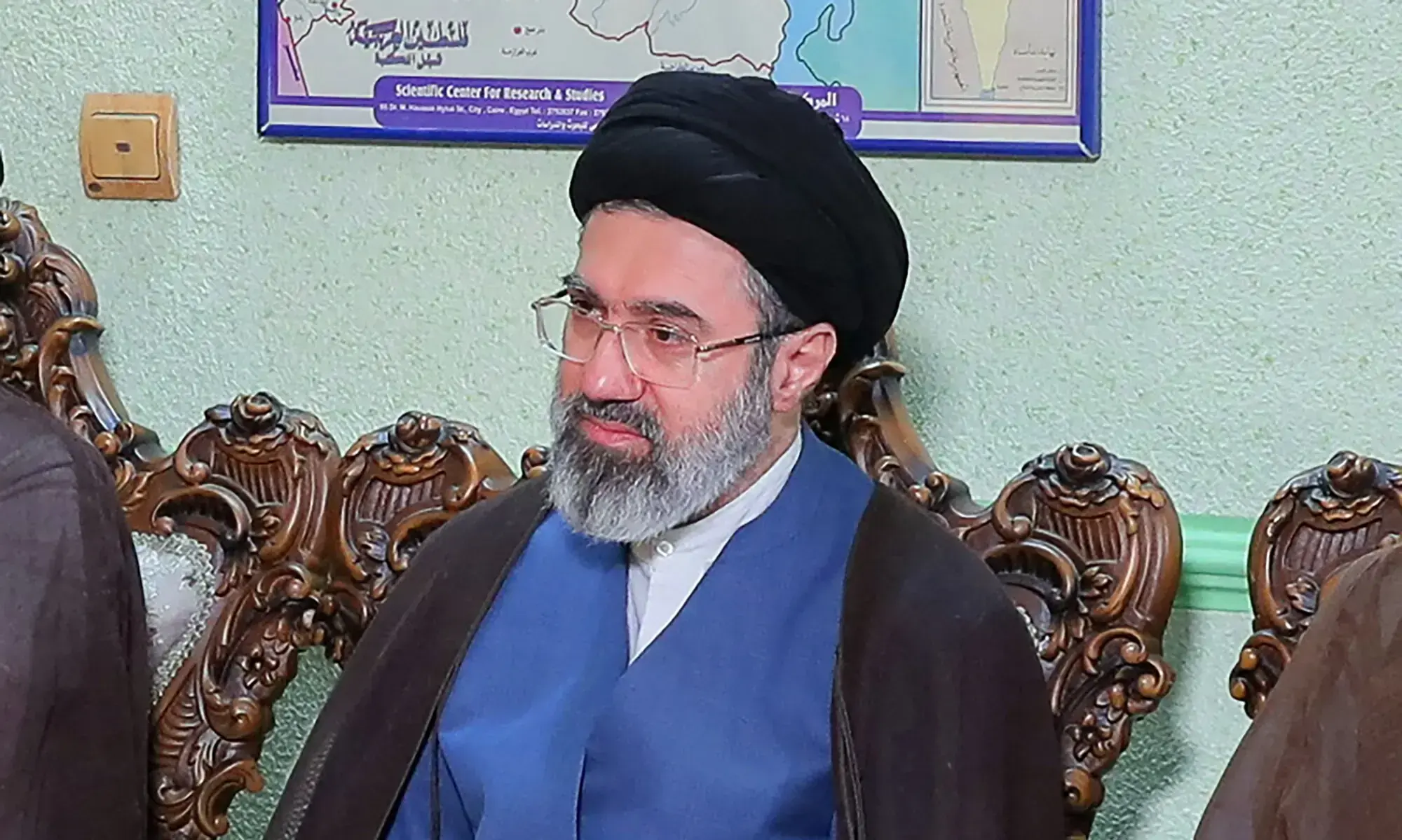


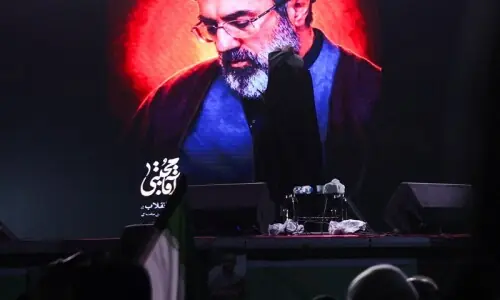
WASHINGTON: Tehran has confirmed the selection of Mojtaba Khamenei as Iran’s new Supreme Leader, a decision that has drawn contrasting reactions from Washington and Jerusalem, reflecting differing strategies in responding to Iran’s evolving leadership.
US response: calculated and cautious
So far, President Donald Trump has avoided direct criticism of Mojtaba Khamenei’s succession, instead framing the development in terms of energy markets and US strategic influence.
In a post on Truth Social, an hour after the announcement, he highlighted that temporary oil price increases were a minor cost compared with global stability and security.
But in an interview with ABC News earlier on Sunday, Trump repeated his suggestion that Iran’s next leader would need “approval” from Washington, implying that the US has a role in shaping acceptable leadership outcomes.
While he described Khamenei’s expected appointment as problematic, he refrained from threatening direct military action.
This approach underscores the US balancing act: managing domestic political narratives, calming global energy markets, reassuring allies, and containing regional conflict without provoking an open war.
Israel’s reaction: direct and aggressive
Israel, by contrast, has taken a markedly confrontational stance. Israeli Defence Minister Israel Katz warned that any new leader linked to Iran’s ruling elite would be “an unequivocal target for elimination”.
The Israeli military stated that it would hold successors personally accountable, a message highlighting Jerusalem’s readiness to continue targeted operations against Iranian leadership figures it perceives as threats.
Even before Mojtaba Khamenei’s formal appointment, Israel had stepped up strikes on Iranian infrastructure and proxy positions in the region, demonstrating its willingness to apply pressure not just on policy but on individuals associated with Tehran’s strategic direction.
Implications
Mojtaba Khamenei, reportedly close to the Islamic Revolutionary Guard Corps (IRGC), is seen by analysts as a continuation of Iran’s hardline policies rather than a turn toward moderation.
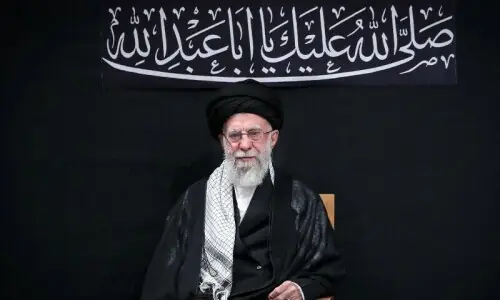
His selection maintains the ideological path established by his late father, Ayatollah Ali Khamenei, and signals the persistence of the established power structure.
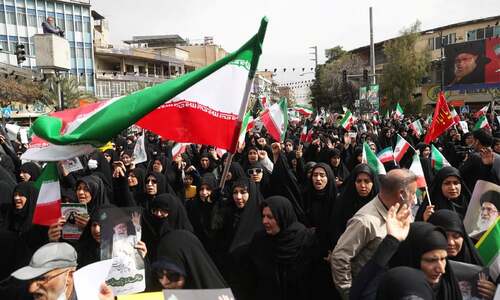
Experts note that many Iranians had hoped for a shift toward a system led by elected officials rather than a clerical figure. That aspiration, observers say, appears curtailed by the ongoing pressures of regional conflict and foreign intervention.
For Washington, the appointment complicates potential diplomatic engagement. A leader embedded in Iran’s security apparatus and ideological establishment — whose family has already suffered casualties from prior US and Israeli strikes — is unlikely to be a partner in negotiation in the near term.
The US response reflects a deliberate strategy: maintaining leverage while avoiding overt military confrontation, stabilising energy markets, and coordinating with European and Gulf partners to manage a volatile situation.