1
1
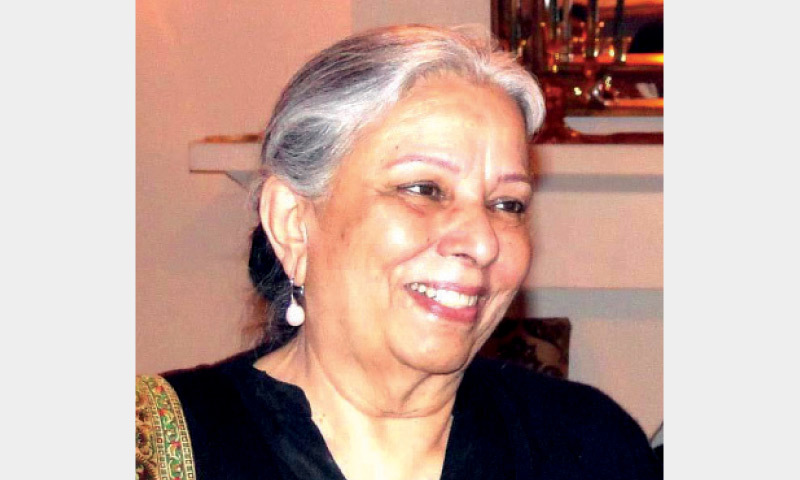
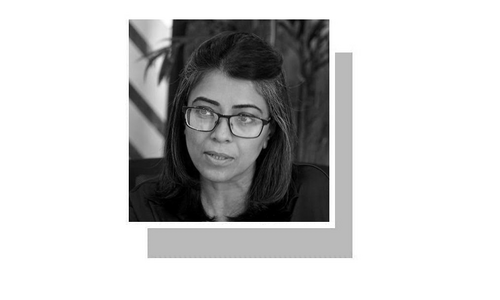
LAHORE: Siddiqa Begum has been the editor of literary journal, Adab-i-Latif, since 1981. The journal was founded by her father Chaudhry Barkat Ali and it has survived, mostly due to efforts of his next generation, when literary journals from Lahore have stopped publishing one after another.
“I started looking after the affairs of Adab-i-Latif after Nasir Zaidi left its editorship on the request of my brother Iftikhar Ali Chaudhry, who did not want to stop publishing the journal. I had separated from my husband and there could not be any better work to make myself busy than the literary magazine,” says Siddiqa Begum while reminiscing about the time.
The first edition appeared when she worked as co-editor with Kishwar Naheed, who had recently been transferred from Mah-i-Nau.
Kishwar had the company of Zahid Dar, Ghalib Ahmed and Mustansar Hussain Tarrar and Intizar Husain used to call them “Chaar Ka Tola” (the Gang of Four), she said laughingly.
“Kishwar left after a year and then came Masood Ashar as editor for a short stint of one year and after him I was left alone to manage the journal and since then I somehow or the other have managed to publish it,” Siddiqa says.
She says at present there is a lack of good Urdu writers. There are some good ones among poets, including Shahnawaz Zaidi, Ayub Khawar, Abrar Ahmed, Ali Akbar Natiq and Hameeda Shaheen, she says, adding that one can find some good poets and short-story writers but it’s hard to find a good novelist from among the younger lot. Mohammad Hanif is quite good among English novel writers. “Some Urdu novelists are trying to experiment with the language, form and storytelling but in vain. They write about the world which is non-existent. If they are attempting to be like Ismat Chughtai, they should stop doing it because they cannot do so for her era and social and cultural milieu were different and she was brought up in a different world which reflected in her own writings,” she says.
Siddiqa Begum thinks that ‘non-writers’ and journalists, who have turned to creative writing, are more in focus now and they have occupied more space.
“When I was growing up, there was a galaxy of great novelists but they are no more. Mustansar Hussain Tarar is among the few surviving ones.”
As human beings, not just with their writings, the writers who impressed her a lot are Mumtaz Mufti, Bano Qudsia, Hanif Ramay and Ashfaque Ahmed and it was from Ashfaque Ahmed, she says, she learnt humanism and respect for humanity.
Talking about her favourite writers from the world literature, she mentions Jose Saramago, Marquez, Kafka, Dostoevsky and Orhan Pamuk who have influenced her a lot.
Despite Ashfaq Ahmed’s insistence that I should write fiction, she could not dare do that because “creative writing is the height of self-negation which she could not do.”
“Once when they were abroad, Ashfaq Sahib read my letter to Bano Qudsia and he urged me to write but I could not do that. In fact, I never tried,” she says.
Though Adab-i-Latif is being regularly published, Siddiqa Begum is not hopeful about its future or the future of any other Urdu literary magazine.
“Not many people like to read literary journals now; only people from older generations do that. Even the writers themselves don’t read anything except their own published pieces in a journal,” she deplores. Besides, there are many financial issues and it’s becoming unaffordable to publish journals.
Talking about Lahore where she was born and grew up and which was once known for a thriving literary culture, Siddiqa Begum says old Lahore is no more and it has been eaten away by commercialisation and materialism.
“It was natural because old Lahore could not survive the onslaught of technology. But then there are the nations which understand the value of heritage and literature and preserve their culture and we don’t have that much sense as a nation,” she says.
Published in Dawn, October 19th, 2014