0
0
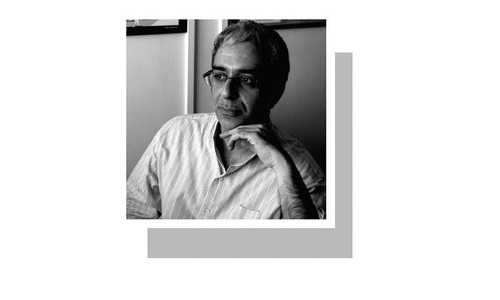
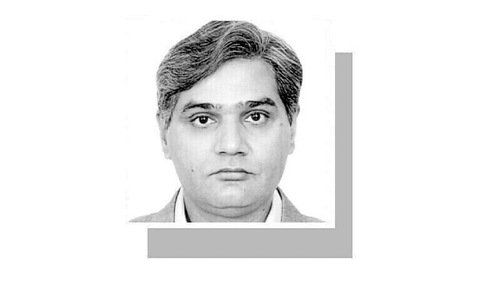
HIMANSHU Vyas's lecture at a recently held seminar on press photography in Karachi was quite scholarly. Perhaps this is so because the Indian lens-man, who is the Hindustan Times' chief photographer for the Rajasthan region, has a BSc in biology, topped off with a Masters in English literature.
“I'm not a trained photographer. I never studied it. While giving my exams, I always used to keep my camera in my scooter's diggi. Thus I did not become a doctor or an engineer, but a photographer,” the soft-spoken Jaipur-based photojournalist told this writer.
When asked what the life of a photographer in a provincial capital was like, as opposed to the perhaps more glamorous lifestyle of big city photographers, he said the lifestyle of a press photographer anywhere was the same.
“I think the life of a photographer everywhere on the planet is similar. Just to make the image clearer in the mind of a layman, I compare it to the life of a soldier, a driver and a sportsman. Combine all these and you get a press photographer. He has to be fit, he needs to have a soldier's Himanshu Vyas.—White Star
acumen, he has to travel around.
“The event can wake him up at any time. He can sleep between assignments. He does not know what he will eat, where he will find his food. Like a sportsman he should be fit. I'm a slip disc patient, but I have to exercise everyday. I have to take care of my back so I can shoot proper,” said Mr Vyas.
Asked what the best part of the job was, he said “being able to be honest. The camera is so Visitors' Log
honest. It is the ultimate thing. There's nothing in between you and the subject.”
When asked if freedom of the press had been affected by the corporatization of the Indian media, he said this was true to an extent, but the onus lay on photographers to provide show-stopping images.
“I often hear people complain ... for instance my photographers complain that they wanted to put a certain picture across but the editor did not like it, sometimes the management interferes to protect sponsors. But it's also party due to the lack of talent ... photographers don't try to say anything through their pictures. Those who complain, they must first look at themselves. Are they saying something intense? Are they compelling their editors to use their picture?
“For instance, once there was a very ordinary event - employees burning an effigy or shouting slogans. Yet our pictures said something. The editor was compelled to use it on the first page. He said the news was worth the fourth page but the picture took it to the first page. In every assignment the photographer must be serious. He must say something.”—QAM