Gulf states appeal for return to talks as US, Iran trade blows
• Strikes reported near Iran’s Darkhovin nuclear facility
• Iran targets American bases; Kuwait’s power, desalination plants hit again
• Momeni may visit Islamabad today for high-stakes talks
• Jordan, Qatar, Iraq press Washington and Tehran to resume dialogue
• Arab League warns war could rattle energy & trade
GULF nations have called for an urgent return to diplomacy as the United States and Iran continue a widening exchange of attacks, raising concerns that the confrontation could spiral into a broader regional war.
Jordan's Foreign Minister Ayman Safadi and Qatari Prime Minister and Foreign Minister Sheikh Mohammed bin Abdulrahman Al Thani have held a phone call, stressing the need for joint efforts to end the dangerous regional escalation, Jordan’s state media reported.
They called for an immediate ceasefire and a return to negotiations to secure a comprehensive resolution. They noted that a final agreement must address all root causes of tension and guarantee freedom of navigation in the Strait of Hormuz.
The two pledged “full solidarity” in countering Iranian attacks, warning of the “severe consequences” if these hostilities continue, according to Jordan.
Meanwhile, Qatar’s Emir Sheikh Tamim bin Hamad Al Thani and Iraq’s prime minister, Ali al-Zaidi, also urged immediate dialogue during their meeting.
The latest escalation follows an eighth consecutive night of US airstrikes on Iranian targets, with Tehran responding through missile and drone attacks aimed at US and allied positions across the Middle East.
US Central Command said American forces had targeted Iranian coastal surveillance systems, air defence installations, maritime assets and weapons storage facilities. The strikes reportedly hit locations near Qeshm Island, Shadegan, Sirik and an unfinished nuclear power facility at Darkhovin.
Iran responded with a wave of drone and missile launches. Iranian officials said their forces targeted US military infrastructure, including an ammunition depot at Camp Buehring and radar systems at Ali Al Salem Air Base in Kuwait.
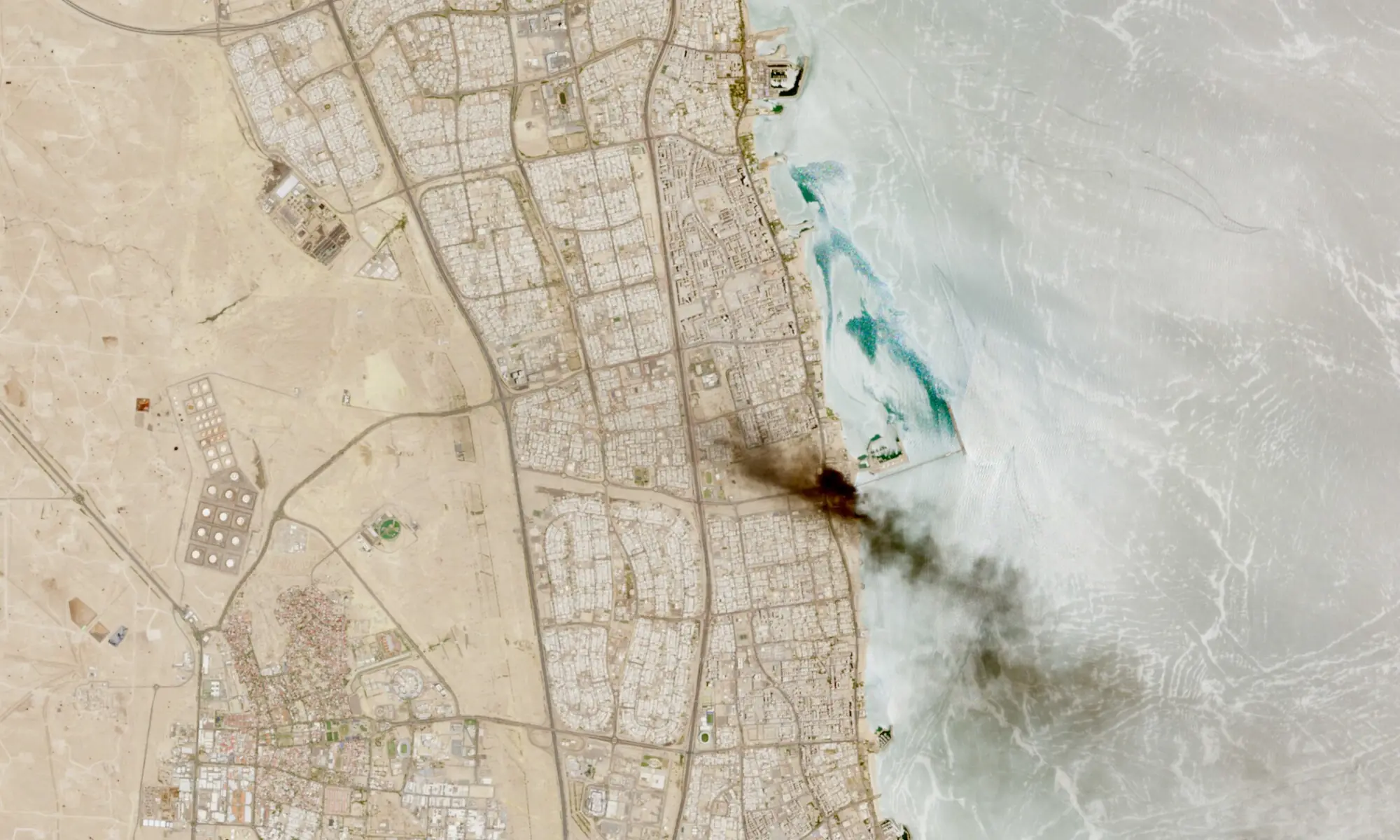
Kuwaiti authorities said a power and desalination plant was struck for the second time in two days, triggering a major fire and raising concerns over the vulnerability of critical infrastructure in the Gulf.
Elsewhere, Jordan said it intercepted three of four Iranian missiles fired towards the Red Sea port city of Aqaba, while Bahrain reported that it had disrupted several drone and missile attacks.
The US consulate in Erbil activated air defence systems following renewed drone threats, while Iranian forces also carried out strikes against Kurdish opposition groups in northern Iraq. The attacks prompted US energy company HKN Energy to suspend operations in the area.
The human cost for Washington has continued to rise. The US military had confirmed that two American service members were killed and another remains missing after an attack in Jordan on Friday. The deaths bring the number of US personnel killed since the start of the conflict to 16.
Iran’s Islamic Revolutionary Guard Corps also claimed it had shot down a US MQ-9 Reaper drone near Ahvaz, though the US military has not confirmed the claim.
Diplomatic efforts falter
Amid the escalating violence, Iran's Interior Minister Eskandar Momeni is due in Islamabad today to engage with Pakistani officials who previously mediated a now-collapsed interim ceasefire, reports suggested.
Earlier, Tehran had announced it is suspending its commitments under the so-called Islamabad Memorandum of Understanding, accusing the US of violating the framework.
Iran’s deputy foreign minister for legal affairs, Kazem Gharibabadi, said the country’s focus was now on defending itself. Supreme Leader Mojtaba Khamenei warned that repeated US actions had damaged trust in American commitments, saying Washington would face “unforgettable lessons” if it continued its campaign.
Iranian military officials also warned of further retaliation and said the country would maintain control over the Strait of Hormuz, a vital global shipping route.
In Washington, President Donald Trump described the deaths of US troops as “a very sad thing” but dismissed Iran’s decision to withdraw from the diplomatic framework.
Trump said the administration’s main objective remained preventing Iran from obtaining a nuclear weapon and indicated that diplomatic setbacks would not change US policy.
Defence Secretary Pete Hegseth said the deaths of American personnel had strengthened Washington’s resolve.
The US State Department has since issued a worldwide travel advisory, warning citizens about increased security risks linked to the escalating conflict.
As Saudi Arabia and Kuwait condemned Iranian attacks on regional targets, the Arab League warned that continued military escalation could trigger severe economic consequences across the Middle East, threatening energy markets, trade routes and regional stability.
Meanwhile, the International Atomic Energy Agency said it was investigating the reported US strike on the Darkhovin nuclear site.
Published in Dawn, July 20th, 2026