Ferry capsizes off Guyana, 66 missing

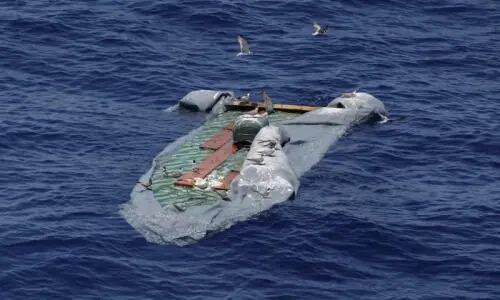
An aging ferry carrying more than 100 people capsized off the coast of Guyana, with 67 saved and rescue teams searching for the rest, officials said on Sunday.
The ferry MV Barima left the small English-speaking country at the northeast corner of South America on Saturday afternoon with 133 people aboard for a trip from the capital, Georgetown, to the town of Port Kaituma.
Port Kaituma is inland in the oil-rich Essequibo region, and the ferry travels along the coast in the Atlantic before heading upriver to reach its jungle destination.
Initial signs are that the ship flipped over after being hit by a big wave, Public Works Minister Juan Edghill said on Facebook.
The vessel, carrying 116 passengers and 17 crew, issued a distress call eight hours into its journey despite carrying lifesaving equipment
“Search and Rescue Advancing. 67 persons, inclusive of 15 children rescued so far,” he said.
The accident is a major trauma for this nation of about one million people.
The authorities are listing the other 66 people as missing, rather than dead.
Ferry survivor recounts hours adrift
Wayne Kitson, an 18-year-old who was among those rescued, said the tragedy struck while the passengers were asleep Saturday night.
Kitson told the Kiskadee Watch, a Guyana news outlet, that he fears his wife and their daughter died in the capsizing. Kitson suffered minor injuries to his arm, leg and neck, and said he spent six hours in the water until he was rescued.
The rescue operations continued Sunday as privately owned vessels joined government teams in looking for survivors.
The ship was equipped with 250 life jackets, two lifeboats and six inflatable rafts, Edghill said. It was carrying 116 passengers and a crew of 17.
The ship began its journey in mid-afternoon and a distress call was received about eight hours later, Edghill said. The ferry was built in 1939, according to the shipping website VesselFinder.
Its destination, Essequibo, measuring 160,000 square kilometers (61,800 square miles), is an area rich in oil and at the heart of a territorial dispute with Venezuela.
Published in Dawn, July 20th, 2026